Hindu Kush
The Hindu Kush acts as a significant climatic divide in Asia, separating distinct weather zones and influencing regional precipitation patterns.
How does the Hindu Kush affect the climate and weather patterns of the surrounding regions?
The Hindu Kush acts as a significant climatic divide in Asia, separating distinct weather zones and influencing regional precipitation patterns.1
By serving as a formidable barrier, the range isolates the interior of Afghanistan from moisture-laden winds originating from the Indian Ocean, which contributes to the country’s overall aridity. Conversely, the eastern Hindu Kush and the Hindu Raj reach the western limits of monsoonal Asia, experiencing rainy or snowy summers. In contrast, the central and western sections of the range border the Mediterranean climatic zone, characterized by hot, dry summers and cold, wet or snowy winters.21
These mountains also function as a watershed, with their high elevations and relief creating diverse microclimates. The range’s orientation and height govern wind exposure and precipitation distribution, often creating rain shadows on leeward slopes. Additionally, the presence of glaciers at higher altitudes—such as those near Tirich Mir—serves as a critical water source for surrounding river systems.134
What is the geographical location and extent of the Hindu Kush mountain range?
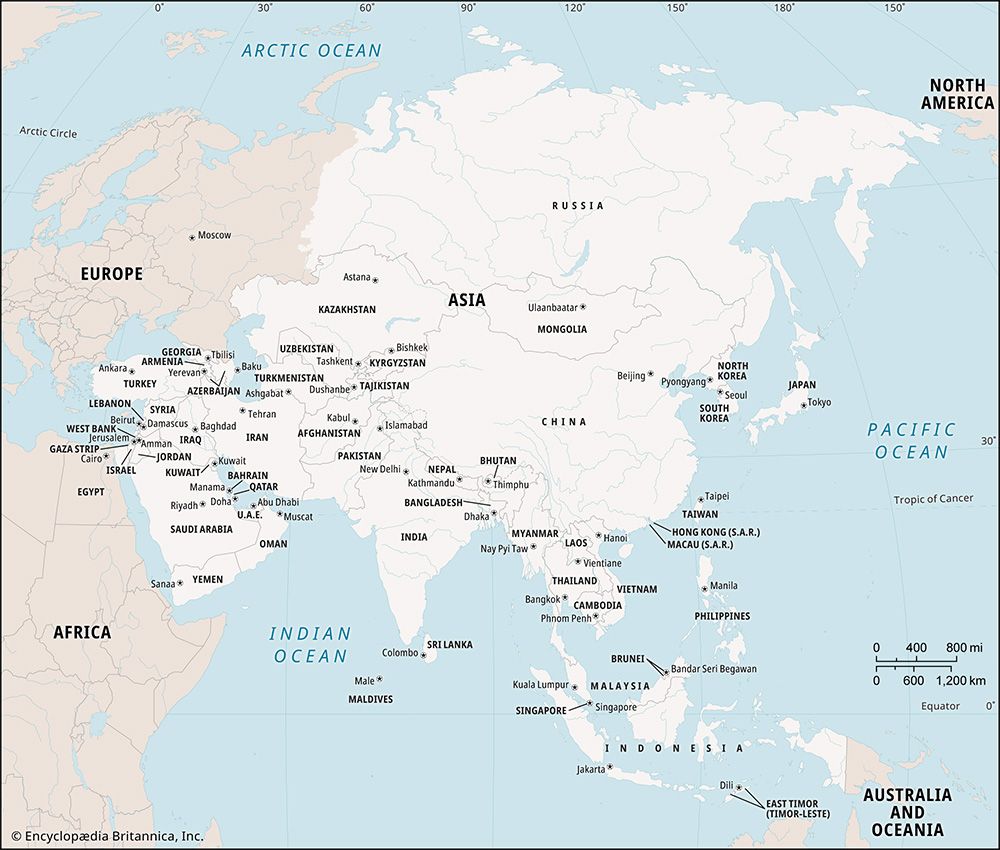
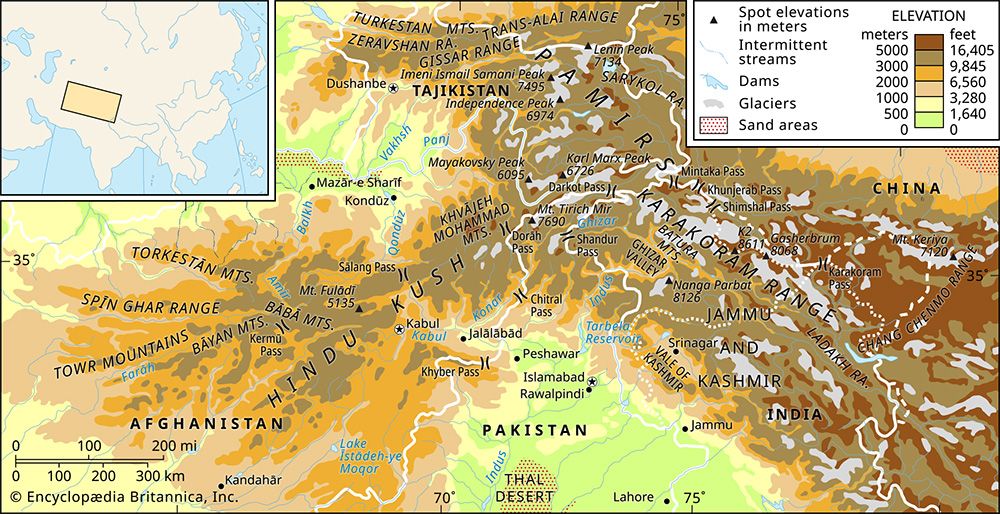
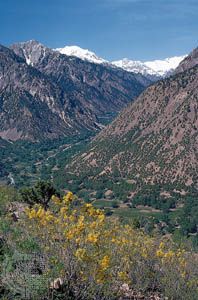
The Hindu Kush is a major mountain system in Central Asia that extends approximately 500 miles (800 km) in length and reaches up to 150 miles (240 km) in width. The range runs in a northeast-to-southwest direction, serving as a significant watershed that separates the Amu Darya valley to the north from the Indus River valley to the south.5
Geographically, the system is divided into three primary sections:
- Eastern Hindu Kush: Extends from the Karambar Pass to the Dorāh Pass. This section contains the highest peaks, including Mount Tirich Mir, which rises to 25,230 feet (7,690 meters).57
- Central Hindu Kush: Continues from the Dorāh Pass to the Shebar Pass, separating the regions of Badakhshān and Nūrestān.7
- Western Hindu Kush: Also known as the Bābā Mountains, this section gradually descends toward the city of Herāt and the Iranian border.7
What are some of the indigenous cultures and ethnic groups that inhabit the Hindu Kush region?
The Hindu Kush region is home to a diverse mosaic of peoples, shaped by its fragmented topography and complex history. Key ethnic groups and cultures include:8
- Tajik and Mountain Tajik: Tajik populations, including the Ismāʿīlī Mountain Tajiks of the northwestern slopes and Sunni Tajiks in the central and western valleys, are prominent throughout the region.8
- Nuristani: The Nūrestāni people inhabit the Nūrestān region. Historically known as “Kafir” (infidels) due to their pre-Islamic polytheistic religion, they were forcibly converted to Islam in the late 19th century. They maintain a unique culture, clan-based village government, and traditional agricultural practices.89
- Kalasha: Residing in the Chitral area of Pakistan, the Kalasha are culturally distinct for practicing a form of polytheism. Their traditions include animal sacrifice, shamanistic divination, and unique funerary customs.89
- Other Groups: The region also hosts Uzbek, Hazāra, and Pashtun populations, the latter of whom are found in major towns and southern districts. Additionally, Kohistani groups exhibit cultural unity across the southeast, while nomadic Gujar herders seasonally traverse the southern valleys.8
What is the cultural and historical significance of the Hindu Kush for the people living in and around the mountains?
The Hindu Kush holds immense historical and cultural significance as a major watershed and a strategic corridor connecting Central and South Asia. For millennia, its high passes have served as conduits for migration, trade, and conquest, facilitating the movement of diverse peoples, languages, and religions.57
Historical Significance
The range has been a critical gateway for major historical figures, including Alexander the Great, Genghis Khan, Timur, and Babur, the founder of the Mughal Empire. These routes were integral to the Silk Road, enabling the exchange of goods and ideas between Rome, India, and China. During the 19th century, the region became a focal point of the “Great Game,” serving as a buffer zone between the British Raj and the Russian Empire, a legacy that persists in the modern Durand Line boundary.57118
Cultural Impact
The region’s fragmented topography has fostered a “mosaic” of cultures, where kinship and the qawm (social group) remain central to community identity. Historically, the mountains sheltered diverse traditions, such as the polytheistic practices of the Kalasha and the pre-Islamic heritage of the Nuristani people-Islamic heritage of the Nuristani people. Furthermore, the area was a significant center for Buddhism, evidenced by the monumental art at Bamiyan, reflecting a rich history of cultural synthesis between Persian, Indian, and Hellenistic influences.1213811
Sources
- Hindu Kush - Climate — Encyclopædia Britannica
- South Asia - Geography — Encyclopædia Britannica
- Afghanistan - The Hindu Kush — Encyclopædia Britannica
- Hindu Kush - Drainage — Encyclopædia Britannica
- Hindu Kush — Encyclopædia Britannica
- Highland climate — Encyclopædia Britannica
- Hindu Kush - Physiography — Encyclopædia Britannica
- Hindu Kush - People of the Hindu Kush — Encyclopædia Britannica
- Nūristāni — Encyclopædia Britannica
- Hindu Kush - Plant life — Encyclopædia Britannica
- Khyber Pass — Encyclopædia Britannica
- Afghanistan - The Kushāns — Encyclopædia Britannica
- Afghanistan - Cultural life — Encyclopædia Britannica
- Hindu Kush - Study and exploration — Encyclopædia Britannica
Published on · 3 min read