Hemlock
The term "hemlock" refers to two distinct groups of plants: coniferous trees and poisonous herbaceous plants. It is important to distinguish between them, as…
What are the different species of hemlock plants, and where are they commonly found?
The term “hemlock” refers to two distinct groups of plants: coniferous trees and poisonous herbaceous plants. It is important to distinguish between them, as the trees are generally used for timber and ornament, while the herbaceous plants are highly toxic.
Hemlock Trees (Genus Tsuga)
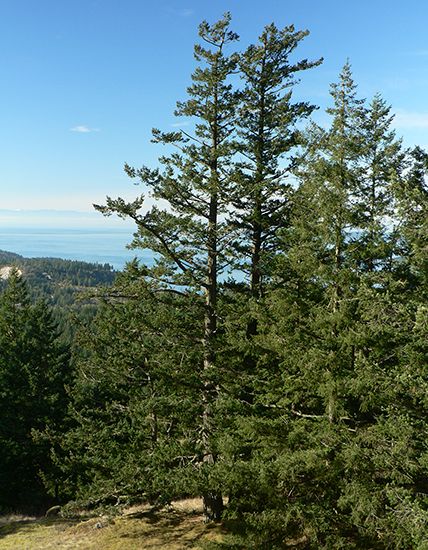
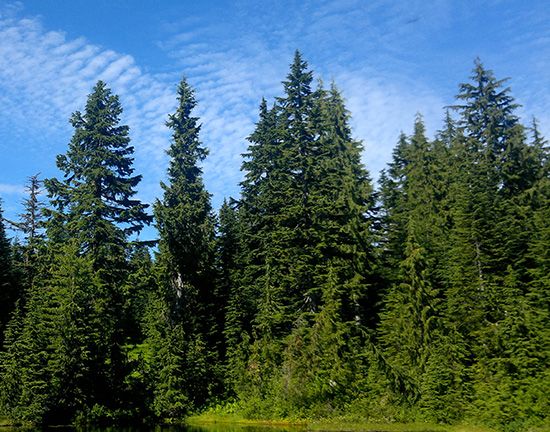
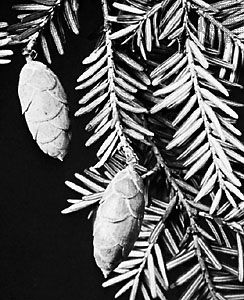
True hemlocks are evergreen trees in the Pinaceae family, native to North America and central and eastern Asia. Notable species include:12
- Eastern Hemlock (Tsuga canadensis): Native to North America, this tree is valued for its bark (used in tanning) and its wood, which is used in construction.1
- Western Hemlock (T. heterophylla): A large timber tree native to North America with high-quality wood.1
- Siebold’s Hemlock (T. sieboldii) and Japanese Hemlock (T. diversifolia): Both are native to Japan and are commonly grown as ornamentals in North America and Europe.1
Poisonous Hemlock Plants (Family Apiaceae)
These plants are unrelated to the trees and are members of the parsley family.13
- Poison Hemlock (Conium maculatum): A biennial herb native to Europe and North Africa, now naturalized in many parts of the world. It is notoriously toxic to humans and livestock.34
- Water Hemlock (Genus Cicuta): This genus includes four species of highly poisonous plants found in wet, marshy areas throughout the north temperate zone. The most well-known North American species is the common water hemlock (C. maculata).5
What makes hemlock plants toxic, and what are the effects of hemlock poisoning?
Hemlock plants are highly toxic due to the presence of specific chemical compounds that interfere with normal physiological functions. Because these plants are extremely dangerous to both humans and livestock, it is essential to handle them with extreme caution or avoid them entirely.
Toxic Constituents
The toxicity of hemlock plants is attributed to potent alkaloids:
- Poison Hemlock (Conium maculatum): All parts of this plant contain toxic alkaloids, most notably coniine, as well as conhydrine, N-methylconiine, and coniceine.36
- Water Hemlock (Cicuta species): These plants contain cicutoxin, which is considered one of the most dangerous plant toxins.6
Effects of Poisoning
Ingestion of even small amounts of these plants can lead to severe health crises and fatalities.3
- Poison Hemlock: Symptoms of poisoning include muscular weakness, paralysis of the extremities, and blindness. The primary cause of death is typically respiratory paralysis.6
- Water Hemlock: Ingestion leads to rapid onset of symptoms, including abdominal pain, nausea, vomiting, diarrhea, and hypersalivation. This is followed by severe convulsions and, frequently, death.6
Given the extreme danger posed by these plants, it is vital to prioritize safety by learning to identify them correctly and ensuring they are kept away from children and animals.
What are the main differences between poison hemlock and other harmless plants that look similar?
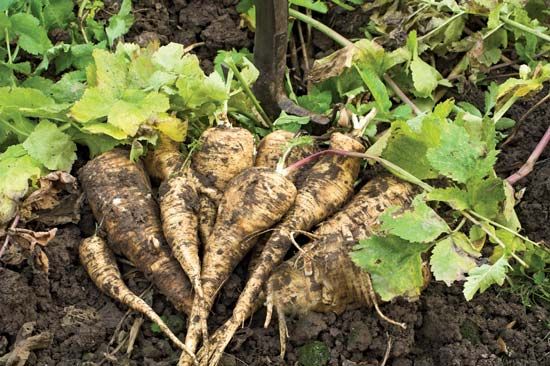
It is a common misconception that poison hemlock is easily identified by its leaves alone; however, distinguishing it from harmless look-alikes like wild carrots or parsnips requires careful observation of specific physical traits. Because ingestion of poison hemlock can be fatal, one must never consume a plant unless it has been positively identified by an expert.
Key Identification Features of Poison Hemlock
To distinguish Conium maculatum from other members of the Apiaceae family, look for these characteristics:
- Stem Appearance: The hollow, branching stem of poison hemlock is hairless and typically features distinct red or purple spots or streaks, particularly toward the base.
- Leaf Venation: A critical diagnostic feature is the pattern of the leaf veins. In poison hemlock, the veins of the leaflets terminate at the tips of the teeth along the leaf margin.
- Growth Habit: It is a biennial plant that forms a basal rosette of lacy, pinnately compound leaves in its first year and grows up to 2.5 meters tall with flat-topped clusters of white flowers in its second year.
In contrast, water hemlocks (Cicuta species) can be distinguished by their venation, where the leaflet veins end at the notches between the teeth rather than at the tips.
How can you safely distinguish between hemlock trees and poisonous hemlock plants?
It is important to clarify that “hemlock” refers to two entirely different types of plants that share a name but are biologically unrelated. Confusing them is a common error, but they are easily distinguished by their physical form and growth habits.
Hemlock Trees (Tsuga)
True hemlocks are large, coniferous evergreen trees belonging to the pine family (Pinaceae). They are woody, perennial plants that can grow up to 60 meters (200 feet) tall.1
- Appearance: They have a pyramidal shape with purplish or reddish-brown bark and slender, drooping branches.1
- Leaves: They possess short, blunt needles that grow from woody, cushion-like structures on the twigs.1
- Reproduction: They produce small, woody cones that hang from the tips of the branches.1
Poisonous Hemlock Plants (Apiaceae)
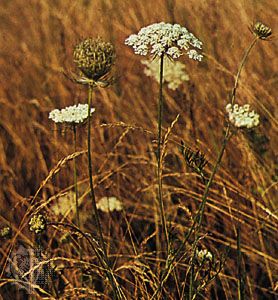
In contrast, plants like poison hemlock (Conium maculatum) and water hemlock are herbaceous, non-woody plants in the parsley family (Apiaceae).13
- Appearance: These are flowering herbs that reach a maximum height of about 2.5 meters (8 feet).3
- Leaves: They feature lacy, pinnately compound leaves.3
- Reproduction: They produce small white flowers arranged in flat-topped clusters called umbels.3
- Stems: Poison hemlock is characterized by a hollow, hairless stem that is often spotted or streaked with purple or red.3
Because poison hemlock is highly toxic and can be fatal if ingested, it is vital to never consume any plant unless you have positively identified it as a safe, edible species.3
Sources
- hemlock — Encyclopædia Britannica
- water hemlock — Encyclopædia Britannica
- poison hemlock — Encyclopædia Britannica
- poison hemlock — Merriam-Webster
- Tsuga — Merriam-Webster
- poison - Plant poisons (phytotoxins) — Encyclopædia Britannica
- hemlock — Merriam-Webster
Published on · 4 min read