Henna Tree
The henna tree (Lawsonia inermis) is a tropical shrub or small tree belonging to the loosestrife family (Lythraceae). Native to northern Africa, Asia, and…
What is henna tree?
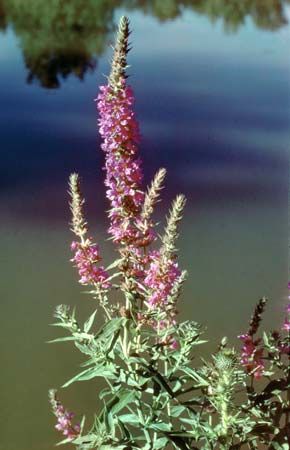
The henna tree (Lawsonia inermis) is a tropical shrub or small tree belonging to the loosestrife family (Lythraceae). Native to northern Africa, Asia, and Australia, the plant is characterized by small, opposite leaves and fragrant, white to red flowers.1
The plant is primarily valued for its leaves, which serve as the source of a reddish-brown dye known as henna. This dye is widely used for temporary body art, often referred to as mehndi, which plays a significant role in various cultural and religious ceremonies, particularly in Hindu, Muslim, and Sikh traditions. Beyond its use as a dye for skin and fabrics, the henna tree is also cultivated as an ornamental plant.12
How is the henna dye extracted from the leaves?
What are the cultural traditions associated with mehndi?
Mehndi is a cultural and religious tradition involving the application of temporary designs to the skin using a paste derived from the henna plant. This practice is particularly significant in Hindu, Muslim, and Sikh traditions, where it is used to mark special occasions and celebrations.2
Key aspects of these traditions include:
- Bridal Celebrations: Mehndi is most famously associated with weddings. Brides often have detailed, artistic patterns applied to their hands and feet as part of the pre-wedding festivities.2
- The Mehndi Ceremony: The term “mehndi” also refers to the event itself—a gathering where these designs are applied. These ceremonies are considered memorable milestones in the lead-up to a wedding.2
- Symbolism: In many Hindu traditions, the color of the resulting stain is highly symbolic. It is commonly believed that the darker the color of the mehndi, the deeper the love between the couple.2
- Religious Observances: Beyond weddings, mehndi is frequently incorporated into other cultural practices and religious festivals, such as Eid, where it serves as a decorative element for the occasion.2
In what types of climates does the henna tree thrive?
The henna tree (Lawsonia inermis) is a tropical shrub or small tree that thrives in warm, tropical environments. It is native to regions across northern Africa, Asia, and Australia, where it is cultivated both for its ornamental value and for the reddish-brown dye extracted from its leaves.1
Sources
- henna tree — Encyclopædia Britannica
- mehndi — Merriam-Webster
- henna — Merriam-Webster
Published on · 2 min read