Henrys Fork
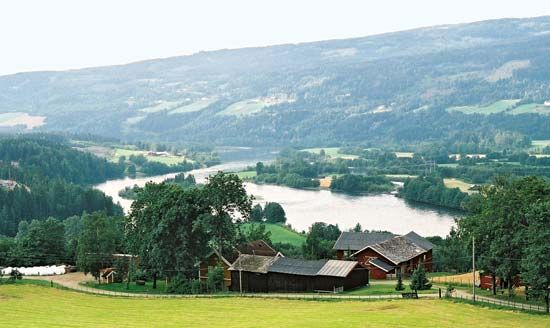
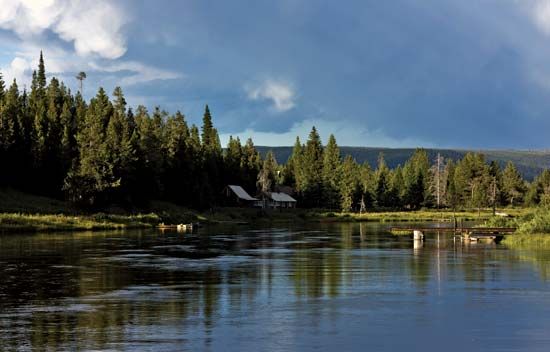
The Henrys Fork is a 117-mile-long (188 km) river located in southeastern Idaho, United States. It originates in Henrys Lake within the Caribou-Targhee…
What is Henrys Fork?
The Henrys Fork is a 117-mile-long (188 km) river located in southeastern Idaho, United States1. It originates in Henrys Lake within the Caribou-Targhee National Forest, near the Montana border, and flows in a south and southwestward direction before joining the Snake River near Rexburg.1
The river features the Island Park Dam and Reservoir, constructed in 1938, which are utilized for irrigation purposes. The waterway is named after Andrew Henry, a pioneer trapper and trader who established a winter post known as Fort Henry near the site of modern-day St. Anthony in 1810.1
What is the significance of the Snake River in Idaho?
The Snake River is the most significant natural feature of Idaho after the Northern Rocky Mountains, serving as the state’s primary resource for industry, agriculture, and population support.2
The river’s significance is defined by several key roles:
- Agriculture and Irrigation: The Snake River valley contains the majority of Idaho’s irrigated farmland. It provides the water necessary for one of the largest irrigation systems in the United States, transforming arid regions into productive agricultural land.2
- Hydroelectric Power: The river is a major source of developed hydroelectric power, which is essential to the state’s energy infrastructure. The upper and middle sections of the river are heavily regulated by dams and reservoirs to manage these power and irrigation needs.23
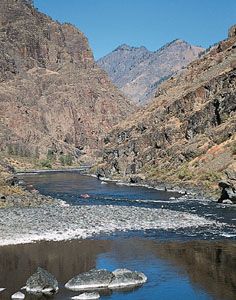
- Geological and Natural Landmarks: The river’s course through Idaho features iconic landscapes, including Shoshone Falls and Hells Canyon, the deepest river gorge in North America. It also supports significant sites like the Hagerman Fossil Beds National Monument.32
How do dams like Island Park Dam affect local ecosystems?
Dams like the Island Park Dam significantly alter local ecosystems by transforming river dynamics to serve human needs, such as irrigation and water storage. While these structures provide essential resources, they often cause profound environmental changes.456
Primary Environmental Impacts
- Habitat Alteration: Dams frequently inundate land, destroying existing flora and fauna and submerging natural landscapes. By stabilizing water flows, they can radically change the character of river basins and lead to the loss of wetlands, which are critical for biodiversity.47
- Disruption of Migratory Species: A major concern is the obstruction of migrating fish, which may be blocked from reaching spawning grounds. While technologies like fish passes (ladders or locks) are sometimes employed to mitigate this, they are not always successful in preventing population declines.41
- Sedimentation and Erosion: Reservoirs trap sediment that would otherwise flow downstream, which can reduce the reservoir’s capacity over time. Conversely, the water released from a dam often has a renewed capacity to erode the stream channel below the structure, further altering the downstream environment.6
Who was Andrew Henry and what was his role in the fur trade?
Andrew Henry was an experienced American fur trapper who played a pivotal role in the expansion of the Western fur trade. In 1822, he partnered with William Henry Ashley to organize the Rocky Mountain Fur Company.10
Together, Henry and Ashley led an expedition up the Missouri River to the mouth of the Yellowstone River, where they established a trading post. Following encounters with hostile Indigenous groups, the partners shifted their operations to the Central Rockies, where they found an abundance of furbearing animals. This move helped set the stage for the development of the rendezvous system, which revolutionized the fur trade by replacing traditional, permanent trading posts with annual, temporary wilderness markets.10
We could dive deeper into the specific mechanics of the rendezvous system or explore other key figures involved in the early exploration of the American West.
Sources
- Henrys Fork — Encyclopædia Britannica
- Snake River — Encyclopædia Britannica
- Idaho - Relief and drainage — Encyclopædia Britannica
- dam - Rise of environmental and economic concerns — Encyclopædia Britannica
- Why do beavers build dams? — Encyclopædia Britannica
- dam - Fish passes — Encyclopædia Britannica
- reservoir — Encyclopædia Britannica
- Wetland - Disturbances caused by humans — Encyclopædia Britannica
- dam - Weaknesses of concrete — Encyclopædia Britannica
- William Henry Ashley — Encyclopædia Britannica
Published on · 3 min read