Why Do Beavers Build Dams?
Beavers construct dams primarily to manipulate their environment for safety and survival. By impeding the flow of streams, these structures raise the water…
Why do beavers build dams?
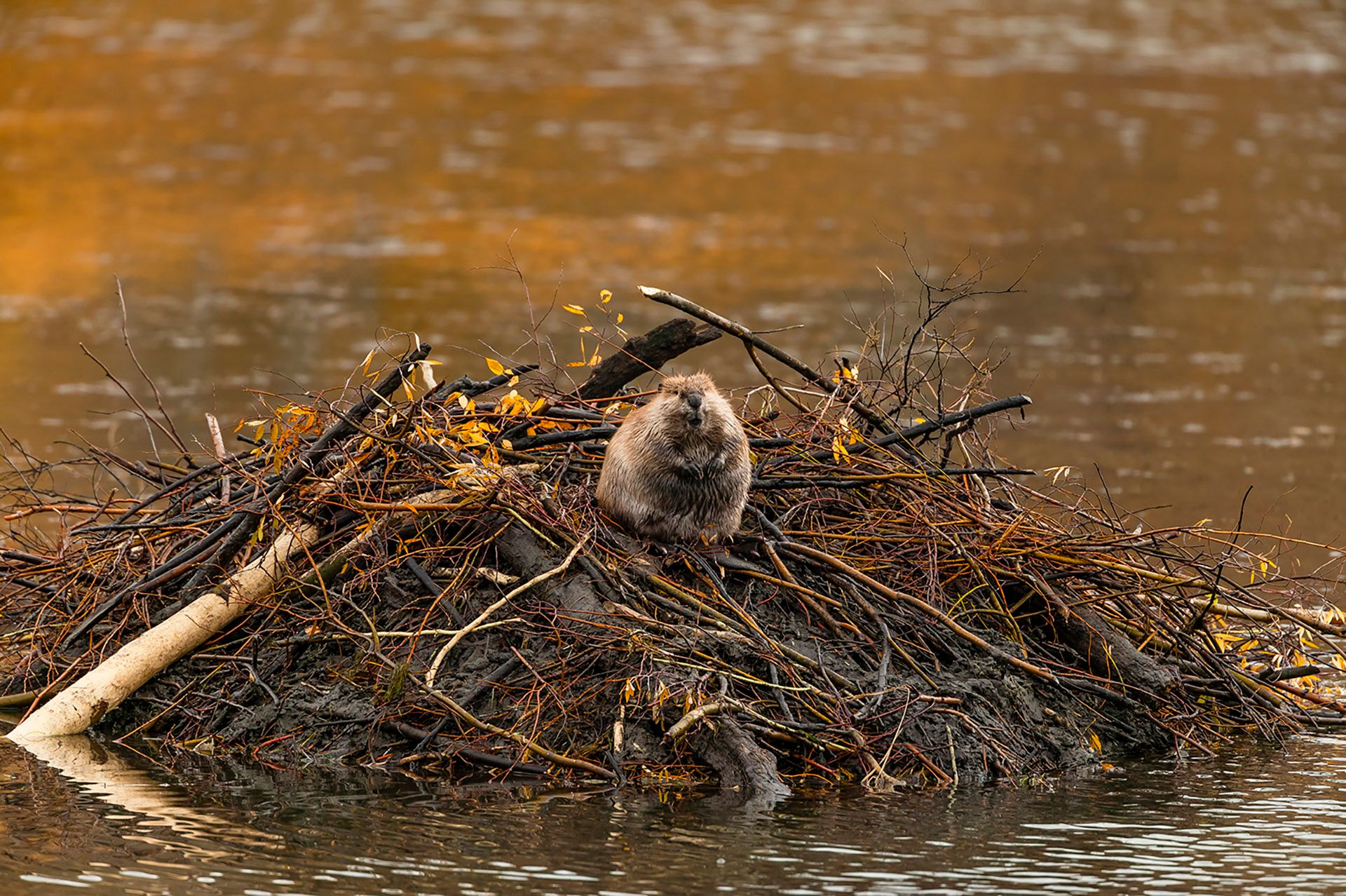
Beavers construct dams primarily to manipulate their environment for safety and survival. By impeding the flow of streams, these structures raise the water level around their lodges, creating a deep-water barrier that protects them from predators. This increased depth also allows beavers to maintain underwater entrances to their homes, providing a secure, hidden way to enter and exit, as well as a quick escape route.12
Beyond protection, these dams create ponds that are essential for the beaver’s daily life. The still water allows them to cache food, such as branches, underwater, ensuring they have access to nourishment during the winter when they cannot easily cut fresh wood.12
Because of their ability to significantly alter landscapes and create new wetland habitats that support diverse fish and waterfowl populations, beavers are often referred to as “ecosystem engineers”.12
How do beavers store food to survive the winter?
To survive the winter, beavers rely on a strategic food-caching system. During the warmer months, they fell shrubs, saplings, and trees, cutting them into portable lengths. These branches are then dragged along mud slides or floated through beaver-made canals to their lodge.1
Once the material reaches the lodge, the beavers anchor the edible branches in the mud underwater near the lodge entrance. This underwater cache ensures that the beavers have a steady supply of food throughout the winter, even when the surface of the pond is frozen and they cannot safely leave to cut fresh wood.21
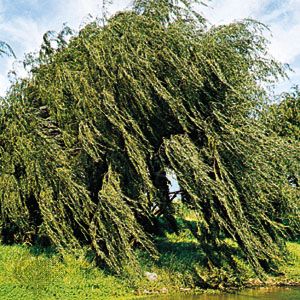
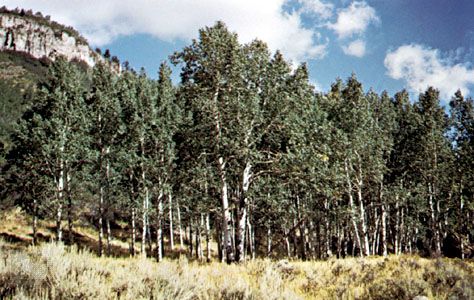
While they also store some fat at the base of their tails, this cached woody matter—specifically the soft cambium layer beneath the bark, as well as buds and twigs from trees like willows and aspens—serves as their primary winter sustenance.1
What makes beavers such effective ecosystem engineers?
Beavers are widely recognized as “ecosystem engineers” because of their unique ability to significantly alter the landscapes in which they live to suit their survival needs. Their effectiveness stems from several key behaviors and environmental impacts:12
- Hydrological Modification: By constructing dams out of branches, stones, and mud, beavers impede the flow of streams and rivers. This process creates large ponds and wetlands that would not otherwise exist, effectively transforming the local geography.12
- Habitat Creation: These newly formed wetlands provide essential habitats for a diverse array of aquatic species, including various fish and waterfowl. By providing food and shelter, beavers contribute significantly to the health and biodiversity of their local environments.12
- Environmental Services: Beyond creating habitats, beaver dams can help manage water quality by containing or impeding the downstream movement of pollutants, such as oil spilled into rivers.2
Through these actions, beavers exert an influence that extends far beyond their own immediate requirements, fundamentally reshaping the ecosystems they inhabit.1
How do beavers communicate with each other?
Beavers communicate with one another through a combination of four primary methods:3
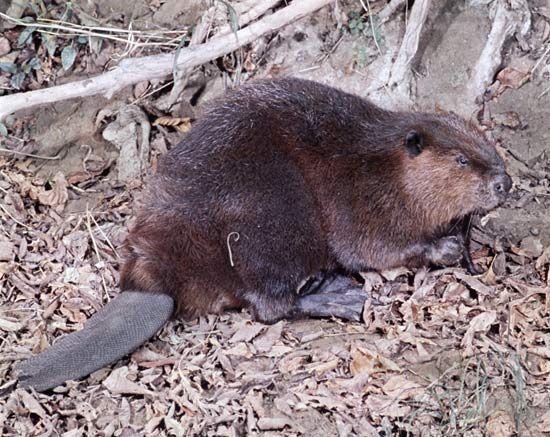
- Tail Slapping: When a beaver feels alarmed on land, it retreats to the water and slaps the surface with its flat, paddle-shaped tail. This action produces a loud, startling noise that serves as a warning to other members of the colony.3
- Scent Marking: Beavers possess castor glands that produce a musky secretion known as castoreum. They deposit this substance on mud or rocks to mark their territorial boundaries, allowing them to communicate presence and ownership to other beavers.3
- Vocalization: While less frequently highlighted than their physical signals, beavers also utilize vocalizations to interact within their social groups.3
- Postures: Beavers employ various body postures to convey information to others in their extended family group.3
These diverse communication strategies help beavers maintain their social structure and protect their territory from potential threats.3
Sources
- Why do beavers build dams? — Encyclopædia Britannica
- beaver — Encyclopædia Britannica
- Chemoreception - Territorial behavior — Encyclopædia Britannica
Published on · 3 min read