Herding Dog
Herding dogs are a group of intelligent, agile, and livestock-oriented breeds developed to assist humans in managing flocks. First utilized by sheepherders…
What is herding dog?
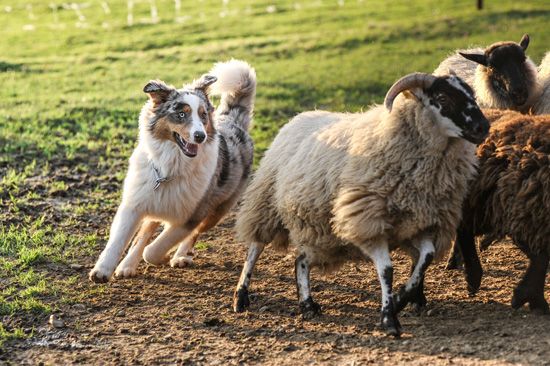
Herding dogs are a group of intelligent, agile, and livestock-oriented breeds developed to assist humans in managing flocks. First utilized by sheepherders in the 1570s, these dogs are characterized by their strong, muscular builds and their ability to work across various terrains with bursts of high speed.1
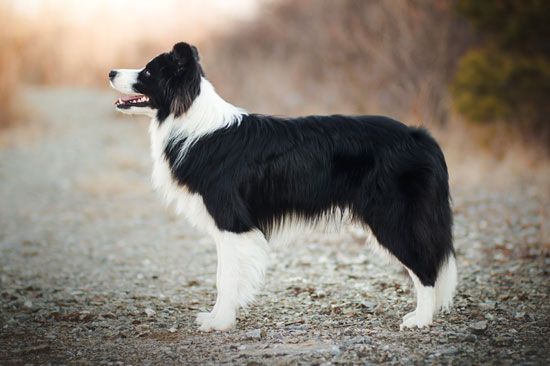
These dogs possess an innate, business-like temperament, often evaluating situations independently to complete their tasks. Their herding techniques vary; some breeds drive livestock by barking, circling, and nipping at heels, while others, such as the Border Collie, use a silent, hypnotic stare to direct animals. Because of their high intelligence and responsiveness to hand signals and whistle commands, they are also highly successful in obedience competitions and as family pets.12
Beyond their traditional roles, herding breeds are versatile and often serve as guard dogs, military assistants, or law enforcement partners due to their protective instincts and close relationship with humans.1
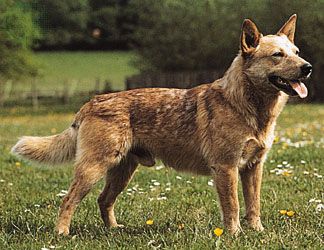
How do herding dogs use their ‘hypnotic stare’ to control livestock?
Herding dogs, most notably the Border Collie, utilize a behavior known as “eye” to control livestock. This technique involves the dog glaring at the animals to intimidate them into moving or staying in a desired direction.34
By confronting the flock with this silent, intense stare, the dog exerts a form of psychological pressure that effectively directs the herd without the need for barking or nipping. This behavior is believed to be an evolutionary trait inherited from the breed’s wolf ancestors, who used a similar fixed gaze to establish dominance over prey before an attack. In a herding context, this “hypnotic” focus allows the dog to maintain control and move animals with precision, often working in tandem with a handler’s commands to manage the flock’s movement across a field or into a pen.431
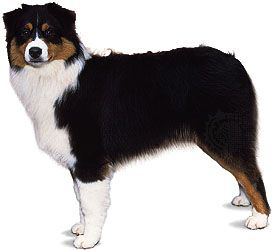
What is the difference between a herding dog and a livestock guardian dog?
The primary difference between a herding dog and a livestock guardian dog lies in their functional roles and instinctive behaviors regarding the animals they protect or manage.
Herding Dogs
Herding dogs are bred to actively manage and move livestock. They are characterized by their high energy, agility, and intelligence, often using techniques such as circling, barking, or nipping at heels to drive animals in a desired direction. Some breeds, like the Border Collie, utilize a “hypnotic stare” to exert psychological pressure on the flock. These dogs are highly responsive to human commands, such as whistles or hand signals, and are often used to gather strays or move herds across various terrains.1
Livestock Guardian Dogs
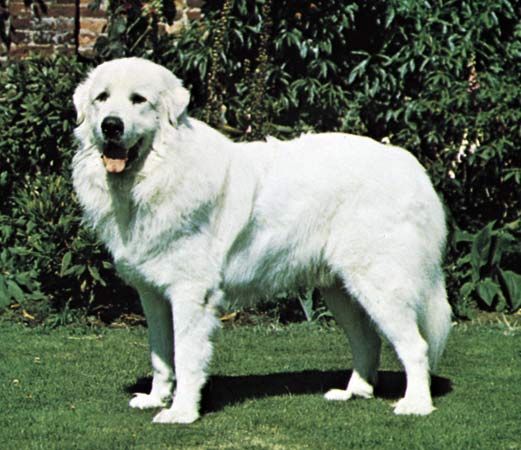
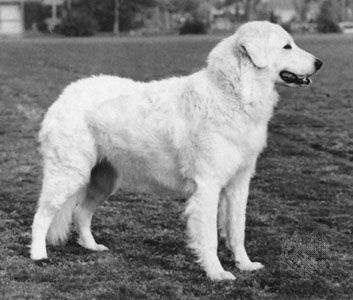
In contrast, livestock guardian dogs are bred to protect flocks from predators. Unlike herding dogs, which are active managers, guardian breeds are typically placed with the livestock from puppyhood to foster a protective, territorial bond. Breeds such as the Great Pyrenees or the kuvasz are instinctually driven to guard their territory and the animals within it, acting as a deterrent against threats rather than a tool for movement.52
Why do some herding breeds have docked tails or specific coat types?
Some herding breeds feature docked tails or specific coat types as a result of their historical working requirements and environmental needs.
Tail Docking
Historically, tail docking was performed on working dogs to prevent injury during the performance of specific tasks. By shortening the tail, owners ensured it would not get caught in equipment, such as carts, or be stepped on by livestock, which could lead to painful injuries or infections. While some breeds, such as the Australian Shepherd, may naturally possess a bobbed tail, others like the Pembroke Welsh Corgi have been traditionally docked for functional safety and, in some cases, visual preference.17
Coat Types
The variety of coat types found in herding breeds—ranging from the Australian Cattle Dog’s weather-resistant coat to the Puli’s long, corded hair—is largely an adaptation to the environments where they were developed. A dense or harsh outercoat provides protection against harsh weather and terrain, allowing these dogs to remain agile and effective while working outdoors in diverse climates.7
Sources
- dog - Herding dogs — Encyclopædia Britannica
- dog - Breed-specific behaviour — Encyclopædia Britannica
- dog sports - Herding and treibball — Encyclopædia Britannica
- Border Collie — Encyclopædia Britannica
- working dog — Encyclopædia Britannica
- Primitive culture - Herding societies — Encyclopædia Britannica
- Rottweiler: Top Questions — Encyclopædia Britannica
Published on · 3 min read