Kuvasz
The kuvasz is a large, sturdily built dog breed originating from Hungary, with roots potentially tracing back to Central Asia. Historically, these dogs were…
What is kuvasz?
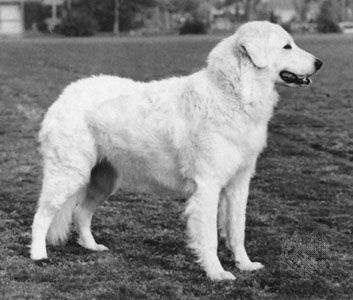
The kuvasz is a large, sturdily built dog breed originating from Hungary, with roots potentially tracing back to Central Asia. Historically, these dogs were prized by kings and nobles during the Middle Ages for their exceptional abilities as guard and shepherd dogs.1
Physically, the breed is characterized by a handsome head and a slightly wavy, pure-white coat. Modern kuvaszok typically stand 26 to 30 inches (66 to 76 cm) tall and weigh between 70 and 115 pounds (32 to 52 kg). Known for their dignity, grace, and speed, they are loyal companions that remain protective and capable of acting on their own initiative without needing constant instruction. The name itself is derived from the Turkish word kavas, meaning an armed guard or constable.12
What other dog breeds originated in Hungary?
In addition to the kuvasz, several other distinct dog breeds originated in Hungary:
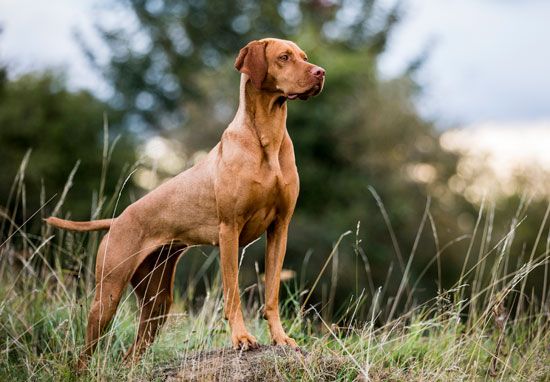
- Vizsla: A versatile sporting dog breed whose ancestors were likely brought to Hungary by the Magyars over a thousand years ago. Developed on the Hungarian plains, they were bred as swift, cautious hunters and retrievers. They are known for their reddish-gold or sandy-yellow coats and affectionate, gentle temperament.31
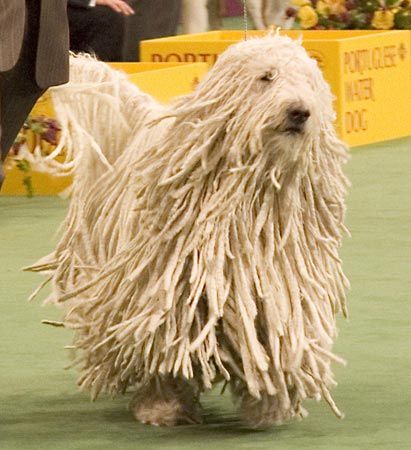
- Komondor: A large, powerful sheepdog breed brought to Europe by the Magyars in the 9th century. They are easily recognized by their heavy, tassel-like white cords, which historically protected them from the fangs of predators like wolves. They are courageous and independent guardians.4
- Puli: A medium-sized herding breed known for its long, coarse coat that naturally forms cords. They are intelligent, lively dogs that have historically served as livestock-oriented workers.5
How do livestock guardian dogs differ from herding dogs?
Livestock guardian dogs and herding dogs are both working dogs, but they were developed for distinct roles in managing livestock.
Herding Dogs
Herding breeds are characterized by their agility, intelligence, and responsiveness to human direction. They are bred to actively move and control flocks or herds by circling, barking, nipping at heels, or using a “hypnotic stare” to guide animals. Because they work closely with humans, they are highly attuned to hand signals and whistle commands. Their temperament is often described as business-like, and they are frequently used in other roles, such as military or law enforcement work, due to their loyalty and trainability.67
Livestock Guardian Dogs
In contrast, livestock guardian dogs are bred specifically to protect flocks from predators. Unlike herding dogs, which are directed by humans, guardian breeds—such as the kuvasz or komondor—are independent and protective by nature. They are often raised with the sheep from puppyhood to foster a strong protective instinct, allowing them to guard territory and livestock autonomously without needing constant instruction.87
What are the challenges of owning a large guard dog?
Owning a large guard dog, such as a Mastiff, kuvasz, or komondor, presents several unique challenges related to their physical size, health, and temperament.
Physical and Logistical Challenges
The sheer size of these breeds is often the primary hurdle. They require significant living space to stretch out and sleep, and they need large vehicles for travel. Because of their mass, they are often expensive to feed and can be difficult for children or seniors to manage physically. Additionally, some breeds are known for drooling, which may be a concern for fastidious housekeepers.
Health Considerations
Large breeds generally have shorter lifespans, often averaging only 6–10 years. They are prone to specific health issues, including:
- Joint and Bone Issues: Large dogs are susceptible to hip dysplasia and painful callouses or bursitis if they lack soft bedding.
- Overheating: Many large breeds have short nasal passages and high body mass, making them sensitive to warm climates.
- Gastric Dilatation-Volvulus (GSV): This life-threatening stomach condition often requires costly, immediate veterinary intervention or preventative surgery.
- Accelerated Aging: Large dogs are at a higher risk for cancer and other disorders linked to their rapid rate of maturity compared to smaller breeds.
Temperament and Training
While these dogs are often loyal and protective, their independent nature—especially in breeds that act on their own initiative—requires consistent, responsible ownership. Their size and strength necessitate early training to ensure they are manageable, as their sheer bulk can make them intimidating or difficult to control in public settings.
Sources
- kuvasz — Encyclopædia Britannica
- Kuvasz — Merriam-Webster
- Vizsla — Encyclopædia Britannica
- 17 Words for Dog Breeds | Vizsla — Merriam-Webster
- komondor — Encyclopædia Britannica
- dog - Herding dogs — Encyclopædia Britannica
- working dog — Encyclopædia Britannica
- dog - Breed-specific behaviour — Encyclopædia Britannica
- Why do small dogs live longer? — Encyclopædia Britannica
- dog - Working dogs — Encyclopædia Britannica
- Mastiff — Encyclopædia Britannica
Published on · 3 min read