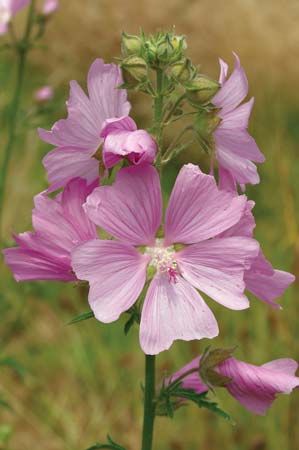
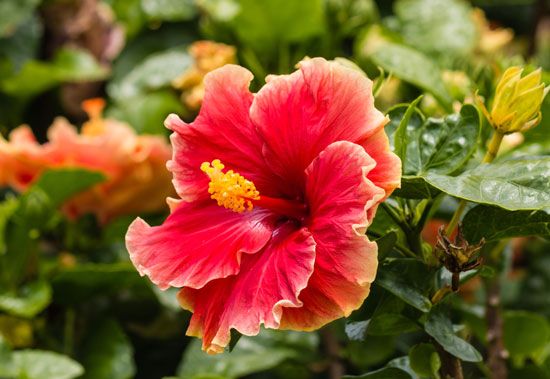
Hibiscus
The genus Hibiscus comprises a diverse group of plants within the mallow family (Malvaceae). While estimates vary across botanical sources, there are…
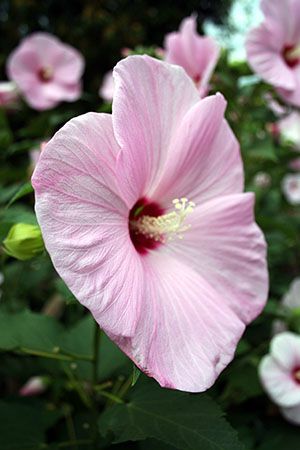
How many species of hibiscus are there, and where are they commonly found?
The genus Hibiscus comprises a diverse group of plants within the mallow family (Malvaceae). While estimates vary across botanical sources, there are approximately 550 species within the genus Hibiscus.1
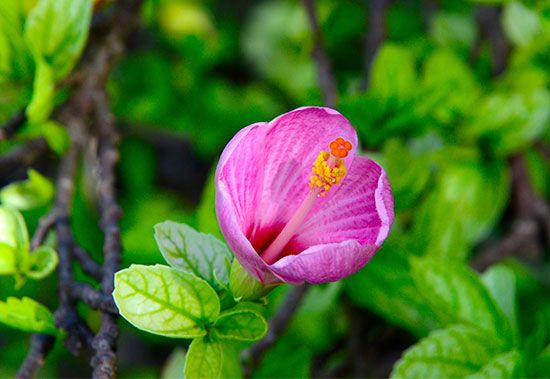
These plants are widely distributed and are native to warm temperate and tropical regions throughout the world. Members of the genus include a variety of herbs, shrubs, and trees, many of which are cultivated as ornamentals for their showy, often bell-shaped flowers. In addition to their aesthetic value, several species are utilized as fiber plants, such as kenaf and roselle.23
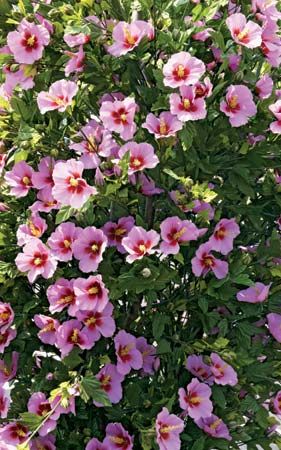
What are the ideal growing conditions for hibiscus plants?
To ensure your hibiscus plants thrive, it is important to provide an environment that mimics their native tropical and subtropical habitats. While there are approximately 250 to 550 species in the genus Hibiscus, the following conditions are ideal for the most common ornamental variety, the Chinese hibiscus:
- Temperature: These plants are frost-tender and require warm temperatures, ideally staying above 10 °C (50 °F). Temperatures below 1.7 °C (35 °F) can cause significant damage or death.
- Light: They perform best in full sun. While they can tolerate partial shade, doing so will result in fewer and smaller flowers.
- Soil and Moisture: Use soil rich in organic material that provides good drainage. Keep the roots evenly moist by watering frequently, and apply fertilizer regularly to support growth.
- Humidity: High humidity is essential for optimal health.
If you live in a cooler climate, you can grow them in containers and bring them indoors to overwinter, or keep them as houseplants that bloom during the spring and summer.1
What are some common pests or diseases that affect hibiscus plants?
Hibiscus plants can be affected by a variety of environmental stressors, pests, and pathogens. While the provided search results do not list pests or diseases specific exclusively to hibiscus, they highlight common issues that impact many plants, including those in the mallow family.
Common Indicators of Plant Stress
When diagnosing issues, look for these general signs of trouble:
- Leaf Abnormalities: Discoloration, curling, stippling, or the presence of spots and blights often indicate fungal or bacterial infections.
- Stem and Branch Issues: Sunken or discolored areas, known as cankers, or the presence of galls—unsightly overgrowths—can signal infection or insect injury.
- Root and Vascular Problems: Wilting and dieback may be caused by pathogens invading the plant’s water-conducting tissues or by nematode feeding, which can also lead to root rot.
- Insect Damage: Evidence of feeding, such as holes or sawdust-like debris from boring insects, is a common sign of infestation.5
It is important to note that many symptoms—such as leaf scorching or stunted growth—can be caused by environmental factors like poor soil drainage, nutrient imbalances, or temperature extremes rather than a pathogen. Accurate diagnosis often requires observing the plant’s local environment and cultural conditions.5
What are some common uses for hibiscus plants beyond decoration?
Beyond their ornamental appeal, many plants in the Hibiscus genus serve significant practical and economic purposes:
- Fiber Production: Several species, such as roselle, kenaf, and mahoe, are cultivated for their bast fibre. These fibers are strong and lustrous, often used to manufacture bagging fabrics, twines, and sugar sacks.
- Culinary Uses: The fleshy, acid-tasting calyxes of the roselle are widely used to make beverages, jellies, preserves, sauces, and chutneys. In some regions, the leaves and stalks are consumed as cooked vegetables or salads, and the oil-containing seeds are also eaten. Similarly, the leaves of the Chinese hibiscus are edible and can be prepared like spinach, while its flowers are used in teas and as garnishes.
- Traditional and Modern Medicine: Many parts of the roselle plant have long been utilized in traditional medicine to treat various ailments. Furthermore, modern researchers are actively investigating extracts from various hibiscus species for their potential medicinal properties, including anticancer effects and treatments for diabetes.
Sources
- Did you know? — Merriam-Webster
- hibiscus — Encyclopædia Britannica
- Malvaceae — Encyclopædia Britannica
- Chinese hibiscus — Encyclopædia Britannica
- Plant disease - Variable factors affecting diagnosis — Encyclopædia Britannica
- roselle — Encyclopædia Britannica
Published on · 3 min read