Kenaf
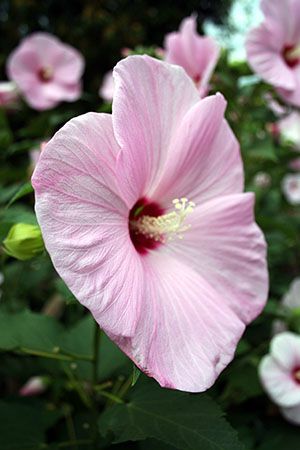
The leading producers of kenaf—a fast-growing plant in the hibiscus family used primarily as a jute substitute—are India, Thailand, and China.
What countries are the leading producers of kenaf in the world?
The leading producers of kenaf—a fast-growing plant in the hibiscus family used primarily as a jute substitute—are India, Thailand, and China.1
While the plant grows wild in Africa and has been cultivated on the Indian subcontinent since prehistoric times, its global importance grew significantly following World War II due to shortages of other bagging fibers. Today, the fiber is valued for its strength and is utilized in products ranging from cordage and sacking to newsprint and carpet-backing yarn.1
What are the environmental benefits of growing and using kenaf?
Growing and using kenaf offers several environmental and agricultural advantages:
- Soil Health: Kenaf is less demanding on the soil than jute, making it a sustainable option for crop rotation.1
- Rapid Growth: As a fast-growing annual, the plant reaches its mature height in less than six months, allowing for efficient land use.1
- Resource Efficiency: Compared to plants traditionally grown for wood chips, kenaf is easier to process and produces a higher yield of fiber.1
- Versatile Applications: By serving as a substitute for other fibers in products like newsprint, cordage, and sacking, kenaf helps reduce the pressure on traditional wood-based resources.1
Because it is highly adaptable to various soil types and requires a relatively short growing season, it serves as a productive alternative in regions where other fiber crops may struggle.1
How does kenaf compare to other fiber crops in terms of yield and sustainability?
Kenaf (Hibiscus cannabinus) is a highly efficient fiber crop that compares favorably to other natural sources in terms of both yield and sustainability.
Yield and Processing
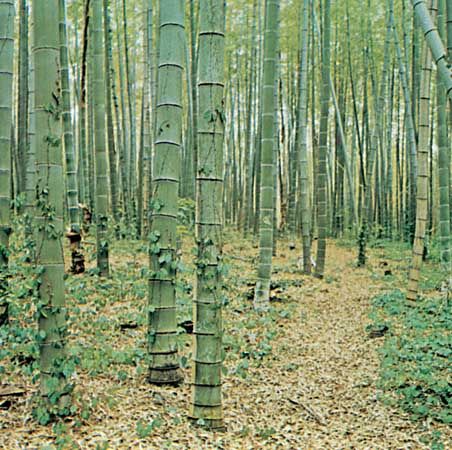
Compared to plants traditionally grown for wood chips, kenaf is notably easier to process and produces a higher yield of fiber. It is a fast-growing annual that reaches its mature height in less than six months, allowing for rapid production cycles. While other non-wood plants like bamboo are capable of producing high yields per hectare, they often face significant logistical challenges regarding harvesting and transport.12
Sustainability and Versatility
Kenaf offers several distinct advantages over other fiber crops:
- Soil Impact: It is less demanding on the soil than jute, making it an excellent candidate for sustainable crop rotation.1
- Fiber Quality: Kenaf provides strong, flexible bast fibers that are highly prized for their durability in heavy-duty paper products, such as abrasive paper and cover stock.2
- Resource Efficiency: As an annual plant, it serves as a vital alternative in regions deficient in forest resources, helping to reduce reliance on wood pulp.2
While other fibers like esparto grass offer specific benefits like dimensional stability, kenaf’s combination of rapid growth, high yield, and soil-friendly cultivation makes it a compelling sustainable alternative in the global fiber market.12
What are the main uses and applications of the kenaf plant?
The kenaf plant (Hibiscus cannabinus) is a versatile, fast-growing annual primarily cultivated for its strong, lustrous bast fiber. Its applications span traditional industrial uses and modern paper production:
Traditional and Industrial Uses
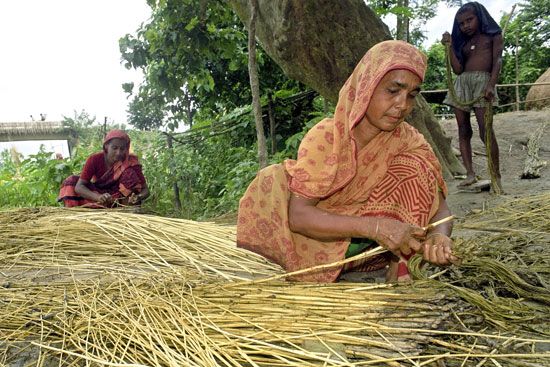
- Cordage and Sacking: Historically, kenaf has been used as a substitute for jute in the production of rope, twine, canvas, and various bagging materials.12
- Textiles: Due to the flexibility and strength of its fibers, it has long been utilized in textile applications.3
Papermaking and Specialty Products
Kenaf is increasingly valued in the paper industry, particularly in regions lacking sufficient forest resources. Its fibers are prized for their durability and strength, making them suitable for:
- Heavy-Duty Paper: Used in the manufacture of abrasive paper (sandpaper), tags, and cover stock.3
- Specialty Papers: Employed in products like manifold and duplicating paper, where high strength is required in a lightweight material.3
- Newsprint and Packaging: The plant is under consideration for use in newsprint and carpet-backing yarn.1
Because kenaf reaches maturity in less than six months and is easier to process than wood-based sources, it serves as a sustainable, high-yield alternative for various fiber-based industries.13
Sources
- kenaf — Encyclopædia Britannica
- papermaking - Natural fibres other than wood — Encyclopædia Britannica
- kenaf — Merriam-Webster
Published on · 3 min read