Musk Mallow
The term "musk mallow" refers to two distinct plants within the mallow family (Malvaceae):
What is musk mallow?
The term “musk mallow” refers to two distinct plants within the mallow family (Malvaceae):
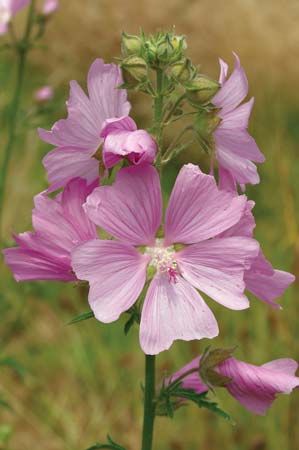
- Abelmoschus moschatus: An annual or biennial plant native to India, also known as abelmosk. It is cultivated for its seeds, which provide a substitute for musk in perfumes, and for an essential oil used in traditional medicine and food flavoring. The plant grows up to 1.8 meters (6 feet) tall, featuring large pink or yellow flowers and hairy, heart-shaped leaves.12
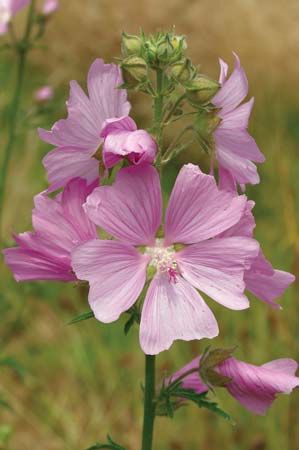
- Malva moschata: A perennial European plant characterized by its faintly musk-scented foliage. It produces pink or white flowers and has deeply cut upper leaves with kidney-shaped basal leaves.12
Both species are members of a diverse family that includes various ornamentals, food crops, and sources of natural fibers. While A. moschatus is valued for its aromatic seeds and edible young leaves and fruits, M. moschata is often recognized for its scent and appearance in garden settings.312
What other plants belong to the Malvaceae family?
The Malvaceae family, also known as the mallow family, is a diverse group comprising approximately 243 genera and over 4,225 species of herbs, shrubs, and trees distributed worldwide. Many members are economically significant, serving as sources of natural fibers, food crops, and ornamental plants.345
Key plants belonging to the Malvaceae family include:
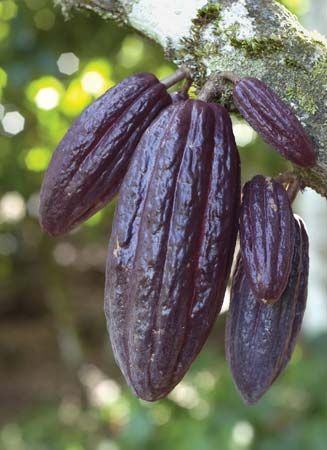
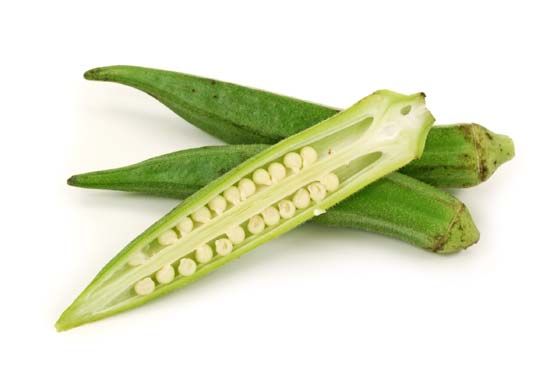
- Food and Beverage Crops: Cacao (Theobroma cacao), okra (Abelmoschus esculentus), durian (Durio zibethinus), and the kola nut (genus Cola).34
- Fiber Sources: Cotton (genus Gossypium), kapok (Ceiba pentandra), kenaf (Hibiscus cannabinus), and jute (genus Corchorus)3.64
- Ornamentals and Flowering Plants: Hibiscus, hollyhock (Alcea rosea), marsh mallow (Althaea officinalis), and silk-floss tree (Ceiba speciosa).36
- Trees: Baobab (Adansonia), balsa (Ochroma pyramidale), and linden (genus Tilia).34
These plants are generally characterized by fibrous bark, alternate leaves with stipules, and often feature showy, five-petaled flowers.34
How is musk used in the perfume industry?
Musk is a highly valued substance in the perfume industry, prized for its penetrating, persistent odor and its ability to act as a fixative, which helps a fragrance remain in evidence for long periods of time.89
Traditionally, natural musk is obtained from a preputial gland located in a sac under the skin of the abdomen of the male musk deer. This substance is typically prepared for use by creating a tincture in pure alcohol, which is then allowed to stand for several months to develop its characteristic strength and tenacity. The primary odorous component in natural musk is muscone.8
Due to ethical and conservation concerns regarding the use of animal-derived products, the industry widely utilizes synthetic substitutes. These include nitro musks—such as musk ambrette, musk ketone, and musk xylene—which are synthetic chemicals used in perfumes, soaps, and lotions to replicate the classic musky scent.10119
What are the main differences between annual and perennial plants?
The primary difference between annual and perennial plants lies in the duration of their life cycles and their ability to persist across multiple growing seasons.
Annual Plants
An annual is a plant that completes its entire life cycle—from germination to seed production and death—within a single growing season. Because the plant dies after one season, the only part that survives to the next year is the dormant seed.14 This category includes many common vegetables, cereal grains, and garden flowers like marigolds and zinnias.1213
Perennial Plants
A perennial is any plant that persists for several years. These plants regrow and rebloom year after year, often surviving cold climates by using underground storage structures like bulbs, rhizomes, or tubers. All trees and shrubs are perennials, as are many herbaceous plants such as chrysanthemums and hollyhocks.141215
Notably, some plants, such as tomatoes, are biologically perennials in their native tropical climates but are frequently grown as annuals in temperate zones because they cannot survive the local winter.1315
Sources
- musk mallow — Encyclopædia Britannica
- musk mallow — Merriam-Webster
- list of plants in the family Malvaceae — Encyclopædia Britannica
- Malvaceae — Merriam-Webster
- mallow — Encyclopædia Britannica
- Malvales - Malvaceae , Cistaceae, and Muntingiaceae — Encyclopædia Britannica
- Malvales — Encyclopædia Britannica
- Musk — Encyclopædia Britannica
- musk ambrette — Merriam-Webster
- nitro musk — Merriam-Webster
- musk — Merriam-Webster
- Is That Plant 'Perennial' or 'Annual'? — Merriam-Webster
- Perennial — Encyclopædia Britannica
- Annual — Encyclopædia Britannica
- life span - Perennials — Encyclopædia Britannica
Published on · 3 min read