Hind
The term "hind" has several distinct meanings depending on the context:
What is hind?
The term “hind” has several distinct meanings depending on the context:
- Zoology (Mammals): It is a chiefly British term for the female of the red deer.1
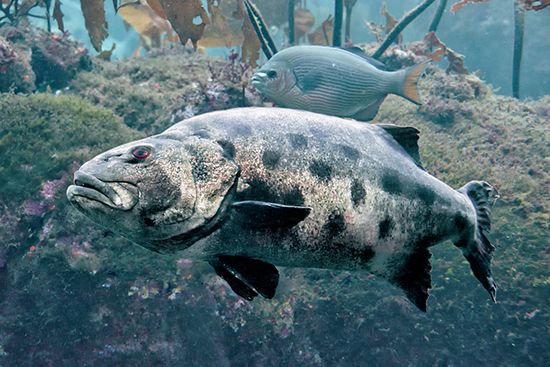
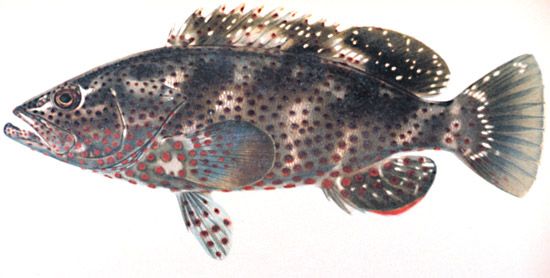
- Zoology (Fish): It refers to various species of fish within the sea bass family, specifically those in the genus Epinephelus. These fish, such as the rock hind, are found in the Atlantic Ocean and the Gulf of Mexico and are popular among sports fishermen.12
- Adjective: It describes the part of something that is at the rear or follows behind, such as the “hind legs” of an animal. This usage is the opposite of “front” or “anterior”.34
What is the difference between a hart and a hind?
The primary difference between a hart and a hind lies in their sex within the species of red deer:
- Hart: This term refers to the male of the red deer, particularly when it is over five years old. Harts are characterized by their long, branched antlers, which they use to compete for harems of females during the breeding season. They are also commonly referred to as stags.615
- Hind: This term refers to the female of the red deer. Unlike the males, hinds do not grow antlers.71
While “hind” is also used as an adjective to describe the rear part of an animal (such as “hind legs”) or as a name for certain types of groupers, in the context of deer, it serves as the direct counterpart to the hart.78
How do groupers differ from other types of sea bass?
Groupers are a specific group of fishes within the family Serranidae, which is collectively known as sea bass. While all groupers are sea bass, they are distinguished from other members of the family by several key characteristics:
- Behavior: Unlike many other sea bass that are active swimmers, groupers are typically sedentary, bottom-dwelling, and solitary fish.910
- Reproductive Strategy: Groupers are protogynous hermaphrodites, meaning they mature as females and later transform into males. While some other sea bass are also hermaphroditic, this specific sequential transition is a defining trait of the group.1110
- Physicality: They are generally characterized by their large mouths and heavy bodies. They vary significantly in size, with some species, such as the goliath grouper and the giant grouper, reaching massive proportions that exceed the size of many other serranids.111210
- Coloration: While many sea bass exhibit diverse patterns, groupers are noted for their ability to change color patterns, and some species display different colorations based on the depth of the water they inhabit.1110
Why do animals have distinct names for males and females?
It is a common misconception that animals have distinct names for males and females because of their biological differences alone. In reality, while sexual dimorphism describes the physical differences between sexes—such as size, color, or ornamentation—the use of specific common names like “buck” or “hart” is a linguistic convention rather than a biological requirement.81314
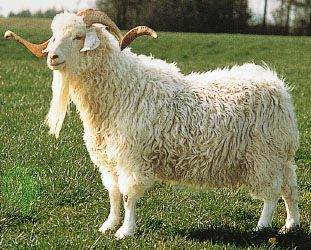
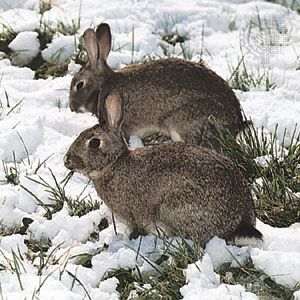
Scientific communication relies on binomial nomenclature, which provides a precise, universal two-part name for a species regardless of sex. Common names, however, often vary by region and language. In many species, particularly those that exhibit sexual selection, males and females may look very different, leading humans to develop descriptive labels to distinguish them in the field or in agriculture. For example, terms like “buck” are used for the males of various species, such as goats and rabbits, while the specific term “stag” is used for male red deer, with the female being called a “hind”.1514168
These naming conventions help humans categorize animals based on observable traits or roles, but they do not change the underlying biological classification of the species.815
Sources
- hind — Merriam-Webster
- hind — Merriam-Webster
- hind — Encyclopædia Britannica
- leg — Encyclopædia Britannica
- hind — Merriam-Webster
- hart — Merriam-Webster
- red deer — Encyclopædia Britannica
- Buck — Encyclopædia Britannica
- grouper — Encyclopædia Britannica
- goliath grouper — Encyclopædia Britannica
- grouper — Merriam-Webster
- sea bass — Encyclopædia Britannica
- Sexual dimorphism — Encyclopædia Britannica
- sexual selection — Encyclopædia Britannica
- Why Do Scientific Names Have Two Parts? — Encyclopædia Britannica
- Why are male animals more colorful? — Encyclopædia Britannica
Published on · 3 min read