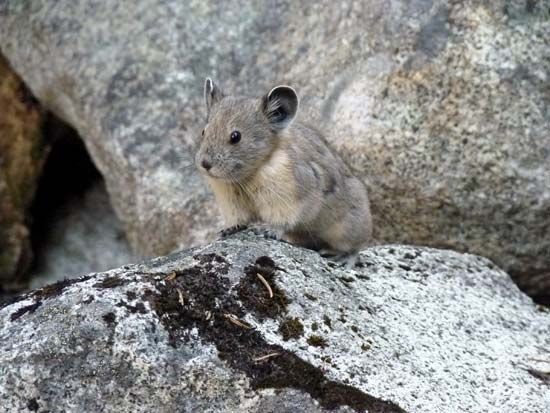
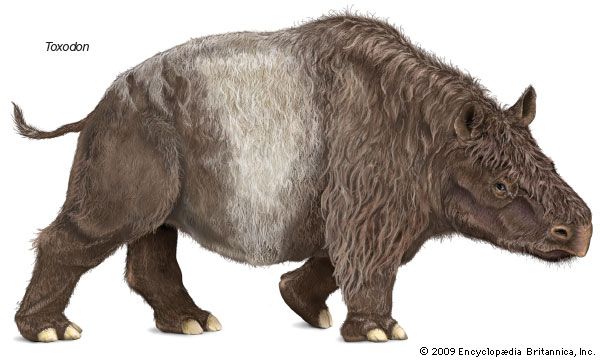
Rabbit
Rabbits have long been utilized as laboratory animals in scientific and medical research due to their ease of handling and specific biological traits. Their…
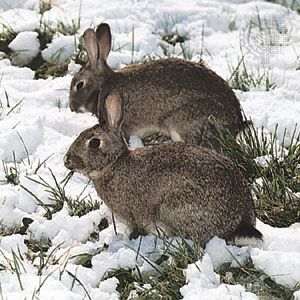
How have rabbits been used in scientific research, and what contributions have they made?
Rabbits have long been utilized as laboratory animals in scientific and medical research due to their ease of handling and specific biological traits. Their contributions to science include:
- Safety Testing: Rabbits are frequently used in eye and skin irritation tests to ensure the safety of chemicals, cosmetics, and other products.12
- Immunology and Transplantation: They are instrumental in producing antithymocyte globulin, an antibody treatment used to induce immunosuppression in kidney transplant recipients to prevent graft rejection. Additionally, rabbits can produce antilymphocyte serum for patients who are sensitive to horse-derived proteins.3
- Disease Modeling: Researchers study rabbits to better understand conditions such as milk allergies and gallstones, which occur in rabbits in ways similar to humans.4
While these contributions have advanced medical knowledge, the use of animals in research remains a subject of significant ethical debate, focusing on animal welfare and the necessity of such models. Modern research increasingly emphasizes the “three Rs”—replacement, reduction, and refinement—to minimize animal suffering.1

What are the distinguishing characteristics of rabbits as mammals?
Rabbits are members of the order Lagomorpha and the family Leporidae, distinguished from other mammals by several unique physical and behavioral adaptations.73
Physical Characteristics
- Anatomy: Rabbits are generally small to medium-sized, egg-shaped mammals with long ears, a short tail, and powerful hind limbs adapted for bounding locomotion. They move using digitigrade locomotion, walking on the tips of their five-digit feet.73
- Dentition: A key feature setting them apart from rodents is the presence of a second pair of peglike incisors located directly behind the large, continuously growing pair in the upper jaw.3
Digestive Adaptations
Rabbits are herbivores that rely on hindgut fermentation to process a high-cellulose diet. They utilize a large cecum containing symbiotic bacteria to break down plant material. To maximize nutrient absorption, they practice coprophagy, producing and reingesting soft, nutrient-rich fecal pellets.1893
Reproductive and Behavioral Traits
- Reproduction: Females exhibit induced ovulation and can conceive shortly after giving birth. Their young (kittens) are born altricial—naked, blind, and helpless—and are nursed with highly nutritious milk.93
- Communication: They are generally quiet, often using scent glands to communicate social and reproductive status, or thumping their feet to signal alarm.9
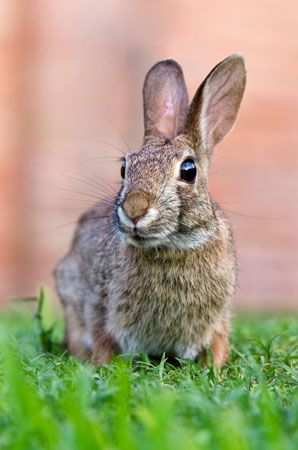
What are the different breeds of domesticated rabbits, and how do they vary?
All domestic rabbits originate from a single species, the European rabbit (Oryctolagus cuniculus). Through centuries of selective breeding, humans have developed more than 50 established strains of domestic rabbits.31
While these breeds vary significantly in appearance, size, and temperament, they all share the fundamental biological traits of their wild ancestors, such as their digestive adaptations and reproductive strategies. The variation among domestic breeds is primarily the result of human-driven selection for specific traits, including:1
- Size: Domestic breeds range from small, compact varieties to large, heavy-bodied types.
- Coat Characteristics: Selective breeding has produced a wide array of fur types, including variations in length, texture, and color patterns, which differ from the generally uniform brown, gray, or buff coloration found in wild populations.3
- Temperament: Because they have been bred for captivity, domestic rabbits are often characterized by a quieter manner compared to their wild counterparts, making them popular as pets.1
Despite these physical differences, all domestic rabbits remain the same species and retain the behavioral and physiological needs characteristic of the family Leporidae.31
What is the social structure and behavior of rabbits in the wild?
The social structure and behavior of wild rabbits are highly variable, depending largely on the species and their specific environment. While many rabbits are relatively solitary and territorial, the European rabbit is the most social species, sometimes living in complex burrow systems known as warrens that can house up to 20 individuals.1
Social Behavior and Communication
- Flexibility: Even among social species, behavior is adaptable; in some conditions, the primary social unit may shift to a territorial breeding pair.1
- Territoriality: Rabbits often defend their territory and may engage in “boxing” with their front limbs during disputes.1
- Communication: Because they are generally silent, rabbits rely heavily on scent. They possess specialized glands used to mark objects, conveying information about group identity, sex, age, and social status. They also use urine for chemical signaling. The only common auditory signal is a loud foot thump, used to indicate alarm or aggression.1
General Habits
- Activity: Rabbits are primarily nocturnal and remain active throughout the year, as no species is known to hibernate.1
- Defense: When threatened, most rabbits prefer to freeze and hide under cover. If pursued, they utilize quick, irregular movements to confuse predators rather than attempting to outrun them.110
Sources
- rabbit - Natural history — Encyclopædia Britannica
- Animal testing — Encyclopædia Britannica
- rabbit — Encyclopædia Britannica
- Animal testing: Top Questions — Encyclopædia Britannica
- transplant - Antilymphocyte and antithymocyte globulins — Encyclopædia Britannica
- animal disease - Animals in research : the biomedical model — Encyclopædia Britannica
- What do rabbits eat? — Encyclopædia Britannica
- lagomorph — Encyclopædia Britannica
- nutrition - Herbivores — Encyclopædia Britannica
- What’s the Difference Between Rabbits and Hares? — Encyclopædia Britannica
- Dominance hierarchy — Encyclopædia Britannica
Published on · 4 min read