Holly
Holly, belonging to the genus Ilex, is a staple of Christmas tradition primarily due to its aesthetic appeal during the winter season. Its significance lies…
What is the significance of holly in Christmas traditions and symbolism?
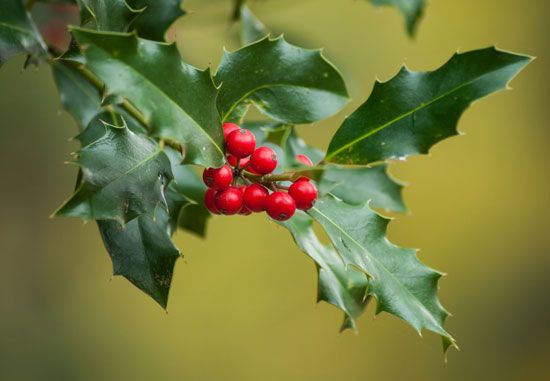
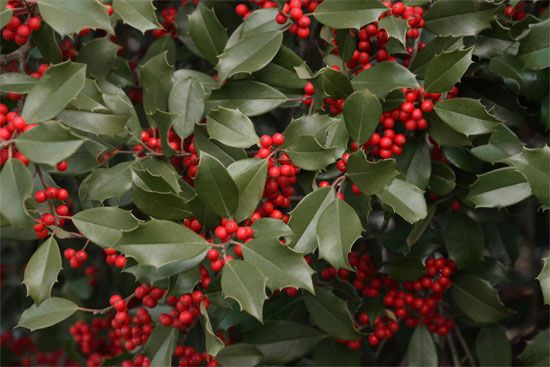
Holly, belonging to the genus Ilex, is a staple of Christmas tradition primarily due to its aesthetic appeal during the winter season. Its significance lies in its waxy, evergreen foliage and its vibrant red fruits (drupes), which persist throughout the colder months, providing a festive contrast to the winter landscape.12
Commonly used in wreaths, garlands, and general holiday displays, species such as English holly (I. aquifolium) and American holly (I. opaca) are favored for their distinctive, spiny-margined leaves. While these plants are celebrated for their decorative role in homes across Europe and North America, it is important to note that their berries are generally not safe for human consumption, though they serve as a vital food source for many bird species during the winter.32
What are the distinguishing characteristics of plants in the holly genus?
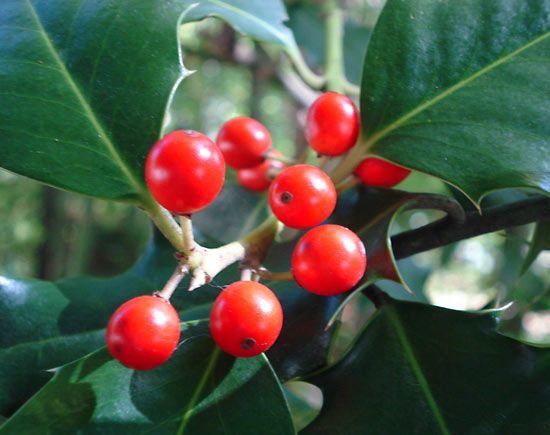
Plants in the genus Ilex, commonly known as holly, are a diverse group of approximately 600 species of shrubs and trees within the family Aquifoliaceae. They are characterized by the following features:
- Foliage: The plants possess alternate, simple leaves. Many species are recognized for their wavy leaf margins that are tipped with spines, though spineless forms also exist. They can be either evergreen or deciduous.4
- Flowers: Holly flowers are typically small, greenish, and unisexual, featuring four petals. A key reproductive characteristic is that male and female flowers are usually borne on separate plants.4
- Fruit: The fruit of the holly is a drupe. While these fruits are often vibrant red, some species produce black berries. These fruits are an important winter food source for birds, but they are generally not safe for human consumption.4
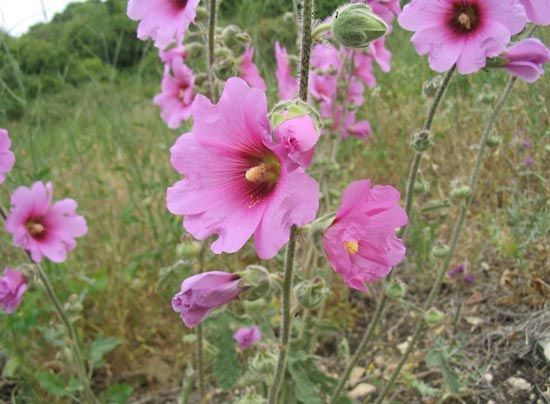
Please note that holly is distinct from the hollyhock, which is a member of the mallow family and is not related to the Ilex genus.45
What are some common uses of holly plants in landscaping and decoration?
Holly plants (Ilex) are widely valued in landscaping and decoration due to their aesthetic versatility and resilience.
Landscaping Uses
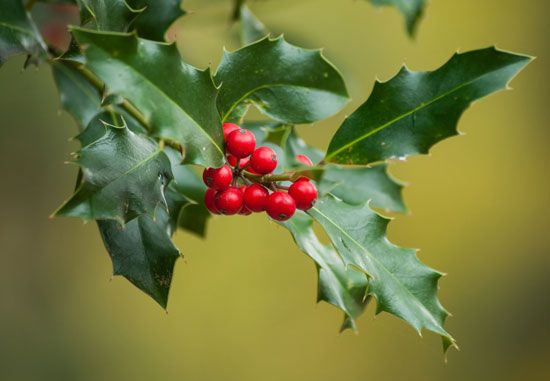
Many holly species are cultivated as ornamental plants in gardens and landscapes. Their popularity stems from their distinctive, often glossy, evergreen foliage and their ability to provide visual interest throughout the winter months when many other plants are dormant. Gardeners often choose specific varieties based on their size and growth habit, ranging from small shrubs like the 3-meter Chinese holly (I. cornuta) to larger trees such as the English holly (I. aquifolium), which can reach 15 meters.4
Decorative Uses
Holly is perhaps most famous for its role in holiday traditions. Its waxy, evergreen leaves and vibrant red or black fruits make it a staple for seasonal displays. Common decorative applications include:41
- Wreaths and Garlands: The durable, long-lasting foliage is frequently woven into wreaths and garlands to decorate homes during the Christmas season.41
- Festive Displays: Because the fruits persist into the winter, they are highly sought after for indoor and outdoor holiday arrangements.41
How many species of holly exist, and where are they primarily found?
The genus Ilex, which comprises the holly plants, includes approximately 600 species of shrubs and trees. These plants are members of the Aquifoliaceae family and are distributed nearly worldwide.74
While the genus is found across the globe, specific species are native to various regions, including:
- East Asia: Home to species such as the Chinese holly (I. cornuta) and Japanese holly (I. crenata).7
- North America: Regions in eastern North America host native species like the Yaupon (I. vomitoria), the deciduous winterberry (I. verticillata), and the Possum haw (I. decidua).7
- South America: The region is notable for Ilex paraguariensis, the source of the beverage mate.7
Sources
- Merry and Bright: 8 Jolly Christmas Plants — Encyclopædia Britannica
- holly — Merriam-Webster
- Christmas holly — Merriam-Webster
- holly — Encyclopædia Britannica
- hollyhock — Encyclopædia Britannica
- holly fern — Merriam-Webster
- Aquifoliaceae — Encyclopædia Britannica
Published on · 3 min read