Aquifoliales
The order Aquifoliales is a group of flowering plants primarily recognized for the family Aquifoliaceae, which contains the well-known genus Ilex, or holly.

What are some well-known examples of plants from the Aquifoliales order?
The order Aquifoliales is a group of flowering plants primarily recognized for the family Aquifoliaceae, which contains the well-known genus Ilex, or holly.12
Prominent examples within this order include:
- English holly (I. aquifolium): A tree reaching 15 metres, valued for its wood and widely used as an ornamental plant.32
- American holly (I. opaca): A species native to the eastern United States, cultivated for its foliage and fruits, and used in cabinetmaking and as a bonsai.32
- Yerba mate (I. paraguariensis): A South American species whose dried leaves are used to prepare a popular caffeine-rich beverage.32
- Chinese holly (I. cornuta) and Japanese holly (I. crenata): Common ornamental shrubs from East Asia.3
- Winterberry (I. verticillata) and Possum haw (I. decidua): Deciduous holly species native to North America.3
- Mountain holly (Nemopanthus mucronatus): A species native to northeastern North America.1
Beyond Aquifoliaceae, the order includes smaller families such as Helwingiaceae, represented by the genus Helwingia, and Phyllonomaceae, which includes the genus Phyllonoma.2
What is the geographical distribution of Aquifoliales plants?
The order Aquifoliales exhibits a broad geographical distribution, with its members found across various regions of the world. The distribution patterns of its five families are as follows:
- Aquifoliaceae: The holly family, particularly the genus Ilex, is nearly worldwide in distribution. It is most diverse in the mountainous regions of the tropics, especially throughout Asia, Central America, and South America. Additionally, various species are native to the eastern United States and southern Europe.4
- Helwingiaceae: This family, consisting of the genus Helwingia, is native to the Himalayas and eastern Asia.45
- Phyllonomaceae: The genus Phyllonoma is distributed across the Americas, ranging from Mexico to Bolivia.4
- Stemonuraceae: These woody plants are found in tropical regions extending from Southeast Asia to Australia.4
- Cardiopteridaceae: This family is also found in tropical regions, with its largest genus, Citronella, having a wide distribution.4

How do scientists study and classify new species within the Aquifoliales order?
Scientists study and classify new species within the Aquifoliales order by employing a combination of classical botanical methods and modern analytical techniques.
Fieldwork and Herbarium Research
Botanists conduct fieldwork to observe plants in their natural habitats, documenting environmental conditions and collecting specimens. These specimens are then processed for herbaria, which serve as essential reference collections. By comparing new samples against “type specimens”—the original plants upon which a species’ description and name are based—researchers can resolve taxonomic disputes and confirm the discovery of new species.89
Modern Analytical Approaches
To refine classification, scientists use several advanced methods:
- Morphology: Researchers use scanning electron microscopes to study structural details, such as the unique floral arrangements found in families like Helwingiaceae and Phyllonomaceae.93
- Genetics and Cytology: Techniques in cytogenetics and DNA analysis allow scientists to measure molecular similarity, helping to determine the phylogeny or evolutionary relationships between different plant groups.9
- Chemotaxonomy: By analyzing the biochemistry of a plant’s metabolic products, scientists can identify chemical markers that distinguish one species from another.9
- Numerical Taxonomy: Computer-based taximetrics are used to quantitatively analyze relationships between species and depict them graphically.9
How do the flowers and fruits of Aquifoliales plants differ from other plant orders?
The flowers and fruits of plants in the Aquifoliales order exhibit several distinct characteristics that set them apart from other flowering plant groups.
Floral Characteristics
While floral structures vary across the five families of the order, some notable features include:
- Unique Growth Patterns: In the families Helwingiaceae and Phyllonomaceae, flowers emerge directly from the leaf surface rather than from the stems, with the flower stalks joined to the leaf midribs.45
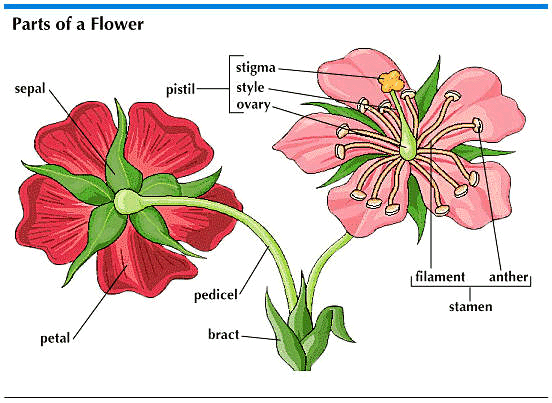
- Reproductive Structures: Many species, particularly in the Aquifoliaceae family, are dioecious, meaning male and female flowers occur on separate plants. Unlike many other plants, holly flowers often lack nectary disks; instead, they may produce nectar through swellings on the upper surface of the petals.410
- Ovary Position: While Aquifoliaceae typically feature a large stigma sitting directly atop the ovary, other families in the order, such as Helwingiaceae and Phyllonomaceae, possess inferior ovaries.4
Fruit Characteristics
The fruits of the order are also specialized:
- Drupes, Not Berries: Although often described as berrylike, the fruits of Aquifoliaceae are technically drupes. These fruits contain a stony pit embedded within a pulpy outer layer.410
- Delayed Germination: A distinctive trait of these fruits is that the embryo is often minute and underdeveloped at the time of dispersal, which can result in a germination process that takes up to several years.4
Sources
- Aquifoliaceae — Encyclopædia Britannica
- holly — Encyclopædia Britannica
- angiosperm - Annotated classification — Encyclopædia Britannica
- Aquifoliales — Encyclopædia Britannica
- Helwingia — Encyclopædia Britannica
- Saxifragales - Major families — Encyclopædia Britannica
- Alismatales - Smaller families — Encyclopædia Britannica
- herbarium — Encyclopædia Britannica
- botany - Taxonomic aspects — Encyclopædia Britannica
- Aquifoliaceae — Merriam-Webster
Published on · 4 min read