Holy Basil
Holy basil (Ocimum tenuiflorum) and common basil (Ocimum basilicum) are both members of the Lamiaceae family, but they differ significantly in their…
How does holy basil compare to other types of basil in terms of culinary and medicinal uses?
Holy basil (Ocimum tenuiflorum) and common basil (Ocimum basilicum) are both members of the Lamiaceae family, but they differ significantly in their traditional applications and flavor profiles.12
Culinary Uses
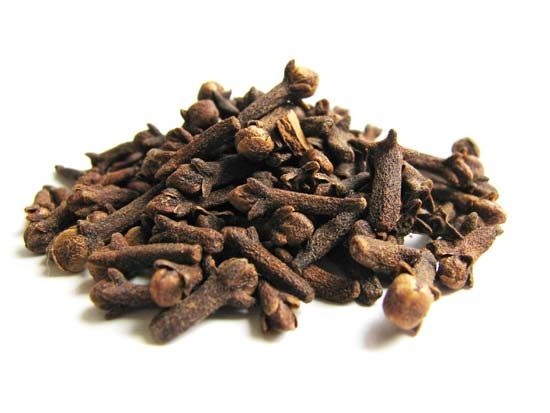
While common basil is a staple kitchen herb used to flavor meats, fish, salads, and sauces, holy basil is primarily utilized in Asian cuisine. Holy basil possesses a pungent, peppery spiciness that intensifies during cooking, with notes reminiscent of clove, mint, and common basil. In contrast, common basil varieties typically offer a sweeter, aromatic flavor often described as faintly reminiscent of anise.21
Medicinal and Cultural Uses
The primary distinction lies in their traditional roles:
- Holy Basil: Widely used in Ayurvedic and folk medicine, often prepared as an herbal tea for various ailments. It also holds profound religious significance in Hinduism, where it is revered as a sacred plant associated with the goddess Lakshmi.1
- Common Basil: Primarily cultivated as a culinary herb, though its tea is noted for its stimulant properties.2

How can holy basil be cultivated at home, and what care does it require?
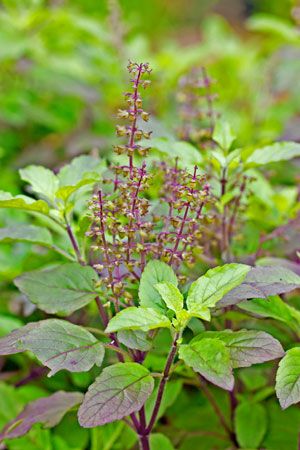
Holy basil (Ocimum tenuiflorum) is a small annual or short-lived perennial shrub that can be cultivated in home gardens or containers. While the provided search results do not detail specific soil or watering instructions, they note that the plant is native to the Indian subcontinent and Southeast Asia, suggesting it thrives in warm climates.1
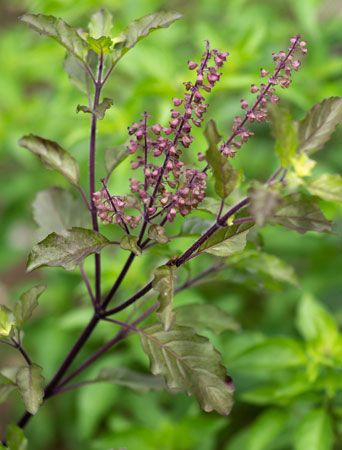
In many Hindu homes, the plant is traditionally grown in a dedicated four-sided structure in the courtyard, where it is cared for as an act of devotion. The plant reaches up to 1 meter (3.3 feet) in height and features hairy stems with simple, oppositely arranged leaves that may be green or purple depending on the variety. Because it can act as an invasive species or agricultural weed in certain regions outside its native range, gardeners should be mindful of local environmental conditions when planting.1
What are the different ways to consume or use holy basil?
Holy basil (Ocimum tenuiflorum) is a versatile plant utilized in various cultural, medicinal, and culinary contexts. Its primary methods of use include:
- Culinary Applications: The aromatic leaves are used as a culinary herb. Because its pungent, peppery flavor intensifies during cooking, it is a common ingredient in Southeast Asian dishes. Its flavor profile is often compared to clove, mint, and common basil.1
- Medicinal Use: It is widely employed in Ayurvedic and folk medicine, most commonly prepared as an herbal tea to treat a variety of ailments.1
- Religious and Ritual Practice: In Hinduism, the plant is considered sacred. Devotees may use water infused with the leaves to assist the dying, and twigs are sometimes placed on funeral pyres. Additionally, the woody stems of deceased plants are crafted into beads for sacred japa mala (rosaries).1
What role does holy basil play in Hindu religious and cultural practices?
In Hinduism, holy basil—known as tulsi—is deeply revered as a sacred manifestation of the goddess Lakshmi, the consort of Vishnu. It holds particular significance for Vaishnavites, who believe the plant fosters piety, meditation, and spiritual protection.14
The plant’s role in religious life is multifaceted:
- Daily Worship: Many Hindu households maintain a holy basil plant in a dedicated courtyard structure. Devotees perform morning and evening rituals involving mantras and offerings of water, incense, and flowers. The act of caring for the plant is considered a meritorious form of worship.1
- Ritual and Ceremony: The festival of Tulsi Vivah marks the beginning of the wedding season by ceremonially wedding the plant to Vishnu. Additionally, the woody stems of deceased plants are crafted into japa mala (rosaries) used for prayer.1
- Life and Death: Holy basil is associated with the transition of the soul. Water infused with its leaves may be given to the dying to aid their passage, and twigs are often placed on funeral pyres to help the deceased attain moksha, or liberation from the cycle of rebirth.1
Sources
- Holy basil — Encyclopædia Britannica
- basil — Encyclopædia Britannica
- holy basil — Merriam-Webster
- tulsi — Merriam-Webster
- ceremonial object - Plants and plant representations — Encyclopædia Britannica
Published on · 3 min read