Honesty
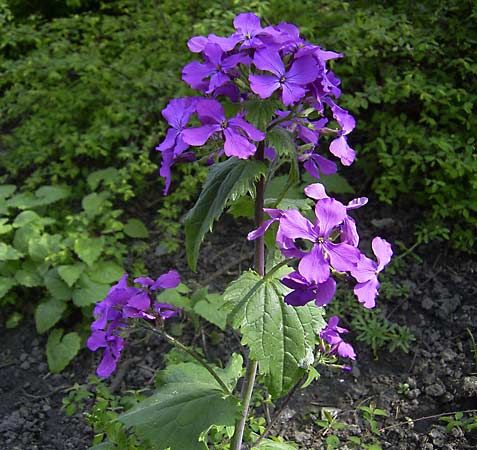
The common name "honesty" for the plant genus Lunaria is believed to be derived from the translucence of its seedpods, known as silicles.
What is the etymology of the name ‘Honesty’ for this plant genus?
The common name “honesty” for the plant genus Lunaria is believed to be derived from the translucence of its seedpods, known as silicles2.
While the word “honesty” generally refers to sincerity or fairness, its application to this plant—which is also known as the money plant—likely highlights the clear, “honest” visibility of the seeds through the silvery, papery partitions of the fruit. This botanical usage is distinct from the term’s etymological roots in the Latin honestus, which relates to moral rectitude and good repute.12
What is the scientific classification of the Honesty plant genus?
The plant genus commonly known as honesty is scientifically classified as Lunaria. It belongs to the mustard family, known as Brassicaceae (historically referred to as Cruciferae).134
The genus comprises three distinct species:
- Lunaria annua (annual honesty)
- Lunaria rediviva (perennial honesty)
- Lunaria telekiana (a rare species endemic to parts of the Balkans)1
These plants are characterized by their cordate (heart-shaped) leaves and their production of broad, podlike fruits known as silicles, which feature a distinctive, silvery translucent partition.13
Where are Honesty plants typically found in nature?
Plants in the genus Lunaria are native to Europe. While they are primarily European in origin, their distribution varies by species:
- Annual Honesty (Lunaria annua): This species has become naturalized in various wooded regions across eastern North America.1
- Perennial Honesty (L. rediviva): Like the annual variety, this species is native to European habitats.1
- Rare Species (Lunaria telekiana): This plant is endemic to specific mountainous regions in the Balkans, including Albania, Montenegro, and Serbia.1
These plants are frequently cultivated in gardens for their ornamental flowers and unique, papery seedpods, which are commonly utilized in dried-flower arrangements.1
What are some common names for plants in the Honesty genus?
Plants in the Lunaria genus are known by several common names, often reflecting the distinctive appearance of their translucent, coin-shaped seedpod partitions.
Common names for these plants include:
The most widely recognized species, Lunaria annua, is frequently referred to as the money plant or silver dollar plant due to its circular, silvery fruit structures. These names highlight the plant’s ornamental value, particularly in dried-flower arrangements where the papery partitions remain after the seeds have dispersed.13
Sources
- honesty — Encyclopædia Britannica
- honesty — Merriam-Webster
- lunaria — Merriam-Webster
- list of plants in the family Brassicaceae — Encyclopædia Britannica
- Lunularia — Merriam-Webster
- silver dollar plant — Merriam-Webster
Published on · 2 min read