Pennycress
Pennycress refers to a genus of plants (Thlaspi) belonging to the mustard family (Brassicaceae). These plants are characterized by their round seedpods and…
What is pennycress?
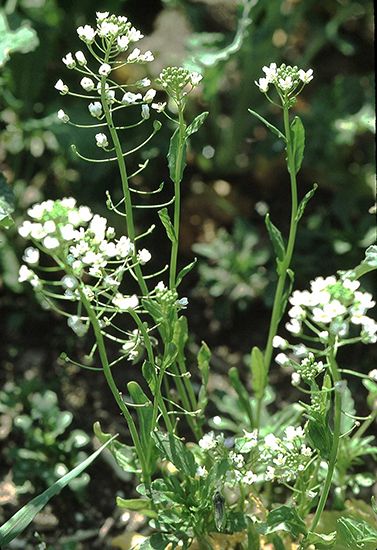
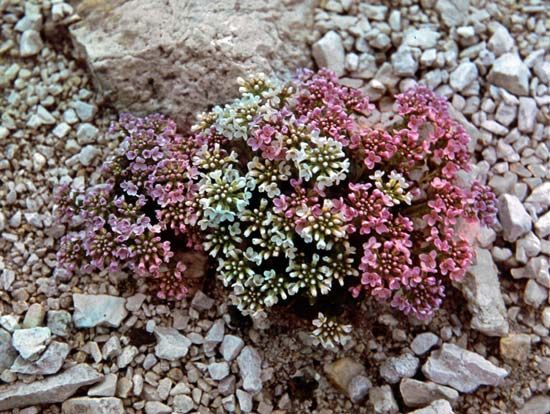
Pennycress refers to a genus of plants (Thlaspi) belonging to the mustard family (Brassicaceae). These plants are characterized by their round seedpods and spikes of small, four-petaled flowers that may be white, lavender, or pink. While most species are native to Eurasia, some are found in the mountains of North and South America.1
The taxonomy of the genus is complex, with many species formerly classified as Thlaspi now placed in the genus Noccaea. One notable species is field pennycress (T. arvense), also known as fanweed. It is a common weed in North America recognized for its flat, circular, notched pods. Because its seeds contain a high oil content, field pennycress has become a subject of interest as a potential source for biofuel production.1
What are the benefits of using cover crops in agriculture?
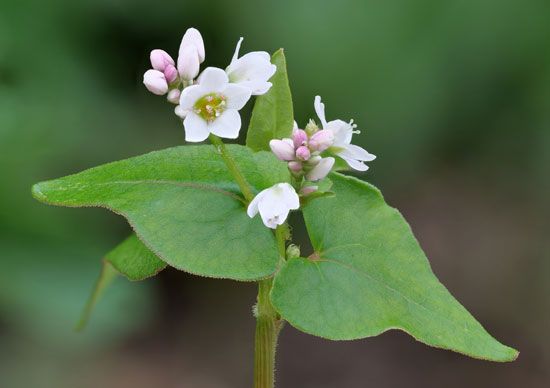
Cover crops are fast-growing plants, such as rye, buckwheat, cowpea, or vetch, grown during seasons when land is not occupied by cash crops to provide essential soil protection and improvement.45
The primary benefits of using cover crops include:
- Erosion Control: They act as a protective layer that holds the soil in place, preventing erosion caused by wind and water.45
- Soil Enrichment: As they decompose, they add organic matter and humus to the soil, which improves soil texture and aeration.45
- Nutrient Management: When turned under, these crops return vital nutrients to the soil. Legumes are particularly beneficial as they contribute nitrogen in addition to organic matter.5
- Weed Suppression: In practices like no-till agriculture, cover crops are used to help suppress weed growth.6
By maintaining soil health and structure, cover crops serve as an efficient tool for sustainable soil management.5
How is plant oil converted into biofuel?
Plant oils are primarily converted into biodiesel, a liquid biofuel designed for use in diesel engines. While the provided search results identify that oily plants like soybeans and oil palm serve as the raw material for this process, they do not detail the specific chemical transesterification process used to transform these plant lipids into fuel.89
It is important to note that while hydrogenation is a common industrial method for processing vegetable oils, this technique is typically used to alter the saturation and physical properties of fats rather than to produce biodiesel.10
What other plants belong to the Brassicaceae family?
The Brassicaceae family, also known as the mustard family or Cruciferae, is a large group of flowering plants comprising about 350 genera and over 4,100 species. While the genus Brassica contains many well-known agricultural crops, the family includes a wide variety of other plants categorized as vegetables, herbs, and ornamentals.1112
Agricultural and Culinary Crops
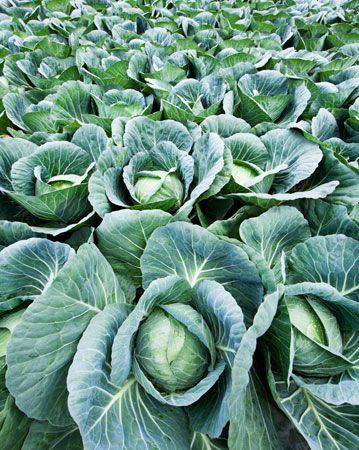
Beyond the common Brassica vegetables like cabbage, broccoli, and kale, the family includes:
- Root and Leaf Vegetables: Radishes, turnips, rutabaga, and watercress.121311
- Condiments: Horseradish, brown mustard, and white mustard.1211
Ornamental and Wild Species
Many members are cultivated for their aesthetic value or are studied for their biological traits:
- Garden Plants: Sweet alyssum, wallflower, rock cress, candytuft, stock, dame’s rocket, basket-of-gold, and honesty.1311
- Research and Wild Species: Arabidopsis thaliana, a model organism in plant biology, as well as various species of Whitlow grass, pennycress, and peppergrass.13
Sources
- pennycress — Encyclopædia Britannica
- field pennycress — Merriam-Webster
- pennycress — Merriam-Webster
- Cover crop — Encyclopædia Britannica
- Vegetable farming - Soil preparation and management — Encyclopædia Britannica
- No-till agriculture — Encyclopædia Britannica
- cover crop — Merriam-Webster
- biodiesel — Encyclopædia Britannica
- biofuel - Types of biofuels — Encyclopædia Britannica
- fat and oil processing - Hydrogenation reactions — Encyclopædia Britannica
- brassica — Encyclopædia Britannica
- Brassicales - Brassicaceae , Capparaceae, and Cleomaceae — Encyclopædia Britannica
- Brassicaceae — Encyclopædia Britannica
Published on · 2 min read