Orange-tip Butterfly
The orange-tip butterfly refers to any butterfly within the genus Anthocharis, which belongs to the family Pieridae and the order Lepidoptera. These…
What is orange-tip butterfly?
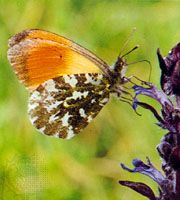
The orange-tip butterfly refers to any butterfly within the genus Anthocharis, which belongs to the family Pieridae and the order Lepidoptera. These butterflies typically possess a wingspan ranging from 37 to 63 mm (1.5 to 2.5 inches).1
They are named for the distinctive orange spot or blotch found on the tips of their forewings, a feature often present in males or both sexes. Their appearance is characterized by whitish wings featuring black markings, while the undersides display a unique green marbling pattern. The larvae of these butterflies feed on plants belonging to the mustard family. The family Pieridae, which includes these butterflies, consists of approximately 1,100 species and also encompasses white and sulfur butterflies.12
What other butterflies belong to the Pieridae family?
The Pieridae family, which consists of approximately 1,100 species, includes several groups beyond the orange-tip butterfly. The primary members of this family are categorized as follows:
- White butterflies (subfamily Pierinae): These are named for their white wings, which typically feature black marginal markings. A well-known example is the European cabbage butterfly (Pieris rapae), which is considered an economic pest for crops like cabbage.34
- Sulfur butterflies (subfamily Coliadinae): This group comprises about 300 species characterized by their bright yellow or orange coloration. Notable examples include the alfalfa butterfly (Colias eurytheme) and the cloudless sulfur (Phoebis sennae), the latter of which is common in the southwestern United States. Some species in this group, such as the lemon emigrant (Catopsilia pomona), are known for their massive migrations.5
Collectively, these butterflies are recognized for their tendency to engage in mass migrations.6
How does the green marbling on their wings help them hide?
The green marbling on the undersides of the orange-tip butterfly’s wings serves as a form of concealing coloration, also known as camouflage. This cryptic appearance allows the butterfly to blend in effectively with its natural surroundings, such as foliage or vegetation, when it is at rest.
This protective mechanism is most effective when the butterfly remains immobile, as the pattern helps it match the textures and colors of its background, making it difficult for visually hunting predators to detect. By hiding in plain sight, the butterfly significantly increases its chances of survival against potential threats.7
What are some common plants in the mustard family?
The mustard family, known as Brassicaceae, is a large group of flowering plants that includes many important food crops and ornamental species. These plants are often called “crucifers” because their flowers typically feature four petals arranged in a cross shape.1011
Economically Important Food Crops
Many common vegetables belong to the genus Brassica, which has been extensively domesticated by humans. Notable examples include:1210
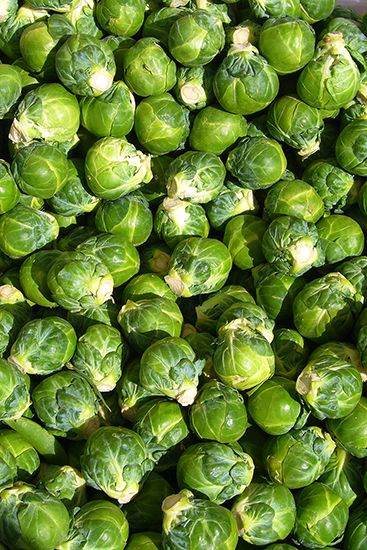
- Vegetables: broccoli, cabbage, cauliflower, kale, Brussels sprouts, kohlrabi, bok choy, and turnip.121013
- Condiments and Greens: horseradish, radish, wasabi, watercress, arugula, and white mustard.121011
Ornamental Plants
Several members of the family are cultivated for their showy flowers, such as:
- Sweet alyssum1213
- Wallflower1213
- Candytuft1210
- Basket-of-gold1210
- Dame’s rocket1213
- Honesty1210
- Rock cress1213
The distinct pungent taste and smell of these plants are caused by sulfur-containing compounds known as glucosinolates, or mustard oils, which help protect the plants from many herbivores.1013
Sources
- orange-tip butterfly — Encyclopædia Britannica
- orange tip — Merriam-Webster
- white butterfly — Encyclopædia Britannica
- list of butterflies and moths — Encyclopædia Britannica
- butterfly — Encyclopædia Britannica
- sulfur butterfly — Encyclopædia Britannica
- Monarch butterfly - Defensive coloration and mimicry — Encyclopædia Britannica
- Lepidoptera - Protection against danger — Encyclopædia Britannica
- Lepidoptera - Thorax — Encyclopædia Britannica
- list of economically important members of the family Brassicaceae — Encyclopædia Britannica
- Brassicaceae — Encyclopædia Britannica
- Brassicales - Brassicaceae , Capparaceae, and Cleomaceae — Encyclopædia Britannica
- list of plants in the family Brassicaceae — Encyclopædia Britannica
Published on · 2 min read