Honeysuckle
Honeysuckle refers to the genus Lonicera, which encompasses approximately 180 species of shrubs and climbers within the family Caprifoliaceae. These plants…
What are the main characteristics of honeysuckle plants?
Honeysuckle refers to the genus Lonicera, which encompasses approximately 180 species of shrubs and climbers within the family Caprifoliaceae. These plants are native to temperate regions across both hemispheres, with a significant concentration of species found in China.1
Key characteristics include:
- Foliage: Plants may be evergreen or deciduous, featuring simple leaves arranged oppositely along the stems.1
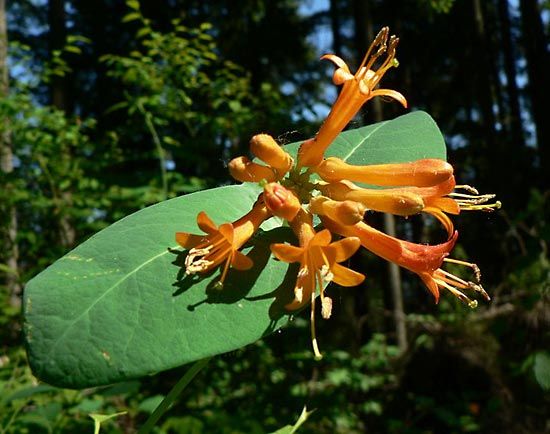
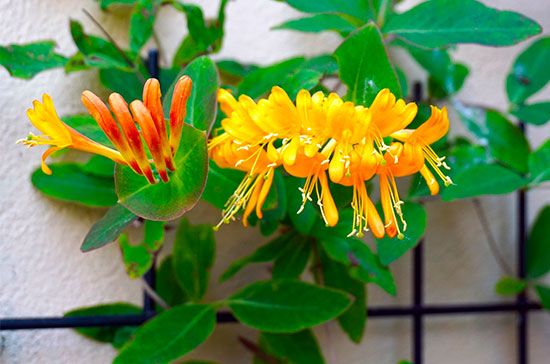
- Flowers: Most species produce fragrant, two-lipped, tubular flowers that are typically borne in pairs and contain sweet nectar.1
- Fruit: The reproductive output is a red, orange, or black berry, which serves as a food source for wildlife.1
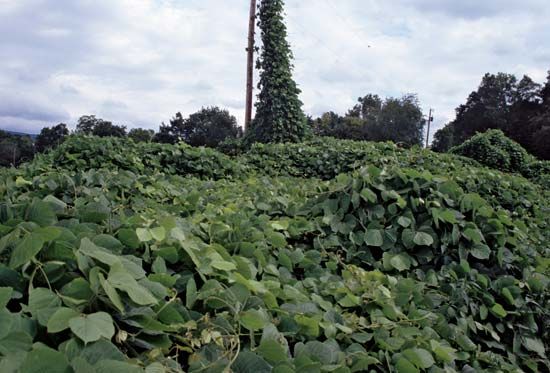
- Growth Habit: While many are valued as ornamental garden plants, some, such as the Japanese honeysuckle, have become invasive species by outcompeting native vegetation for light.12
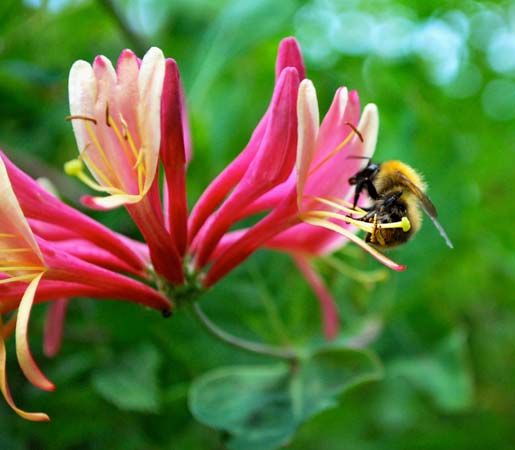
How many species of honeysuckle exist, and where are they commonly found?
The genus Lonicera, commonly known as honeysuckle, consists of approximately 180 species of shrubs and climbers.
These plants are native to the temperate zones of both the Northern and Southern Hemispheres. While they are widely distributed, they are also found in the Himalayas, southern Asia, and North Africa. The majority of these species are concentrated in China.1
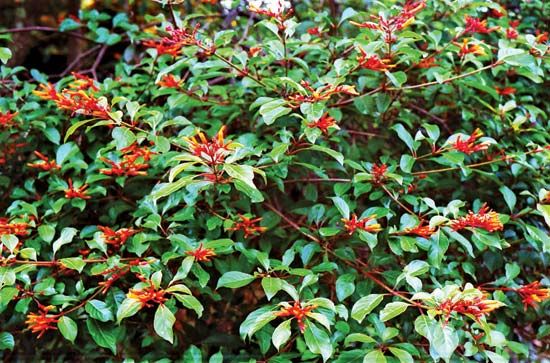
Are there any invasive species of honeysuckle, and what impact do they have?
Yes, there are invasive species of honeysuckle, most notably the Japanese honeysuckle (Lonicera japonica), which is native to eastern Asia.1
Although it was originally introduced for ornamental purposes, it has become a troublesome invasive species in many regions. Its primary negative impact is its aggressive growth habit: as a twining or trailing vine, it grows over other plants, effectively shutting out the sunlight they need to survive. By outcompeting native vegetation for light, it can disrupt local ecosystems and become a persistent weed.12
What are the different types of flowers that honeysuckle plants produce?
Honeysuckle plants (genus Lonicera) are widely recognized for their fragrant, two-lipped flowers that typically grow in pairs1. These tubular blooms are often prized for their sweet nectar and come in a variety of colors and arrangements depending on the species:
- Perfoliate (sweet) honeysuckle: Features clustered, night-blooming purple-white flowers.1
- Giant Burmese honeysuckle: Known for its large, 17-cm (7-inch) yellow flowers.1
- Japanese honeysuckle: Produces fragrant, yellowish-white flowers.1
- Trumpet honeysuckle: Displays orange-scarlet spikes of 5-cm (2-inch) tubular, five-lobed flowers.1
- Woodbine (European honeysuckle): Characterized by whorled, many-flowered clusters of yellowish, purple-tinged blooms.1
While often confused with the true honeysuckle, the unrelated bush honeysuckle (Diervilla) also produces clusters of tubular, yellow or reddish-yellow flowers at the tips of its branches.3
Sources
- Honeysuckle — Encyclopædia Britannica
- Japanese honeysuckle — Merriam-Webster
- Pollination - Bees — Encyclopædia Britannica
- Bush honeysuckle — Encyclopædia Britannica
- Major types of pollinators - Bees — Encyclopædia Britannica
Published on · 2 min read