Lamb’s Lettuce
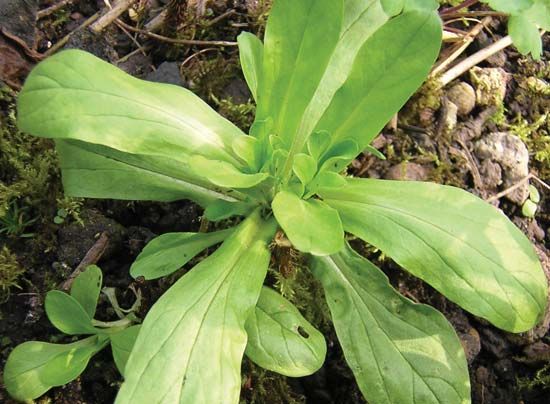
Lamb’s lettuce (Valerianella locusta), also known as corn salad, is a weedy plant belonging to the Caprifoliaceae family. Native to southern Europe, it has…
What is Lamb’s lettuce?
Lamb’s lettuce (Valerianella locusta), also known as corn salad, is a weedy plant belonging to the Caprifoliaceae family. Native to southern Europe, it has become widespread throughout grainfields in both Europe and North America1.12
Botanically, it is a member of the Valerianoideae subfamily and the genus Valerianella. It is characterized by its long, undivided leaves, which are commonly harvested for use as a salad green or a pot herb. Culinary enthusiasts often prize the plant for its distinct nutty, tangy flavor.21
Lamb’s lettuce is noted for being hardier than standard lettuce varieties, making it a resilient option for cultivation. A related species, the Italian corn salad (V. eriocarpa), is similarly used in salads and thrives in warmer climates.12
What are the nutritional benefits of eating lamb’s lettuce?
Sorry, the Britannica knowledge base does not contain information regarding the specific nutritional benefits of lamb’s lettuce.
How does lamb’s lettuce differ from common garden lettuce?
Lamb’s lettuce (Valerianella locusta) differs from common garden lettuce primarily in its botanical classification and hardiness. While common garden lettuce belongs to the Asteraceae family, lamb’s lettuce is a member of the Caprifoliaceae family.1
In terms of cultivation, lamb’s lettuce is noted for being significantly hardier than regular lettuce varieties, allowing it to thrive in diverse environments, including grainfields across Europe and North America. Culinary-wise, it is distinguished by its unique nutty, tangy flavor, whereas common garden lettuce is typically valued for its crisp texture and milder taste.1
What other plants belong to the Caprifoliaceae family?
The Caprifoliaceae family, commonly known as the honeysuckle family, is a diverse group comprising approximately 42 genera and 890 species. These plants are primarily found in north temperate regions and include a variety of trees, shrubs, vines, and herbs.4
Notable members of the family include:
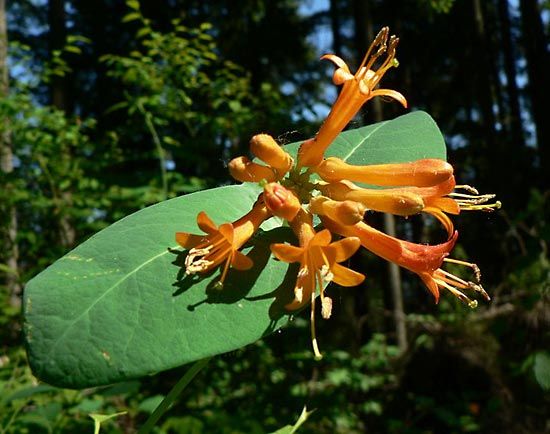
- Honeysuckles (Lonicera): The largest genus in the family, featuring about 180 species of fragrant, often climbing, ornamental plants.45
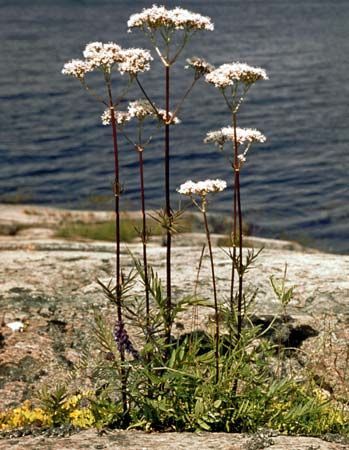
- Valerians and Corn Salads (Valeriana and Valerianella): These include common valerian, used in herbal medicine, and salad greens like lamb’s lettuce and Italian corn salad.ce) and Italian corn salad.46
- Pincushion flowers (Scabiosa): A genus of about 30 species known for their distinct, attractive blooms.4
- Snowberries (Symphoricarpos): Deciduous shrubs such as the common snowberry and coralberry.4
- Ornamental Shrubs: This category includes the beauty bush (Kolkwitzia amabilis), Abelia, bush honeysuckle (Diervilla), and Himalaya honeysuckle (Leycesteria formosa).4
- Other Notable Species: These include red valerian (Centranthus ruber) and the critically endangered spikenard.6
Sources
- Lamb’s lettuce — Encyclopædia Britannica
- Valerianoideae — Encyclopædia Britannica
- lamb's lettuce — Merriam-Webster
- Caprifoliaceae — Encyclopædia Britannica
- Honeysuckle — Encyclopædia Britannica
- Caprifoliaceae — Merriam-Webster
Published on · 2 min read