Horsetail
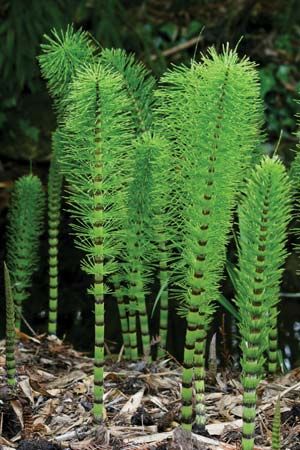
There are 15 extant species of horsetail plants, all of which belong to the single living genus Equisetum. These plants are the only surviving members of the…
How many species of horsetail plants exist, and are any of them endangered?
There are 15 extant species of horsetail plants, all of which belong to the single living genus Equisetum. These plants are the only surviving members of the order Equisetales and the class Equisetopsida, a group that was once much more diverse and included giant, tree-like species during the Carboniferous Period.123
The provided information does not specify the conservation status of these 15 species, and therefore I cannot confirm whether any of them are currently considered endangered.
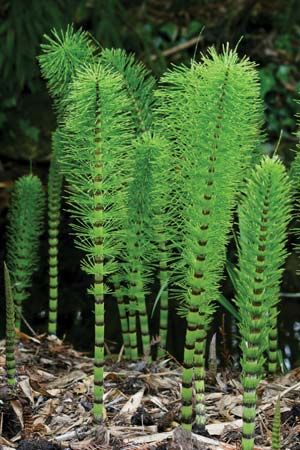
What are the common uses of horsetail plants in traditional medicine and modern applications?
Horsetail plants (Equisetum) have been utilized by humans for various practical and medicinal purposes throughout history.
Traditional and Practical Uses
- Folk Medicine: While these plants are known to be poisonous to livestock, certain species have been used in traditional folk medicine practices by humans.2
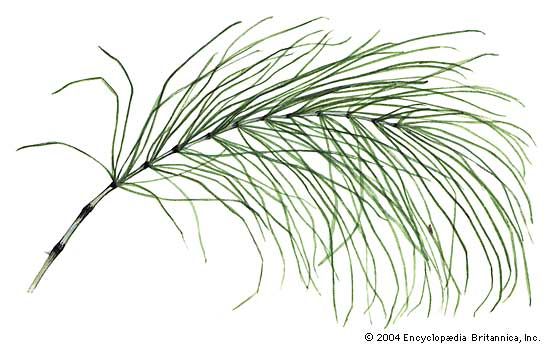
- Abrasive Properties: Due to the high concentration of silica and other minerals in their hollow, jointed, and ridged stems, horsetails possess a natural abrasive quality. Historically, this made them effective tools for polishing surfaces and scouring pots and pans, a practice that earned species like E. hyemale the name “common scouring rush”.2
While these plants have historical applications, it is important to note that their toxicity to animals highlights the need for caution regarding their chemical composition.
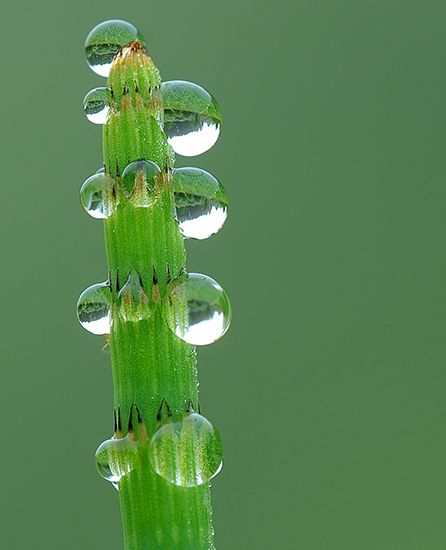
How do horsetail plants reproduce, and what makes their reproduction unique?
Horsetail plants (Equisetum) reproduce through a process known as alternation of generations, which involves two distinct phases: the asexual sporophyte (the visible plant) and the sexual gametophyte. While they possess this complex sexual cycle, they appear to rely primarily on vegetative reproduction for survival in nature.41
Unique Reproductive Features
- Strobili and Sporangiophores: Horsetails produce reproductive structures called strobili (cones) at the tips of their shoots. These cones contain sporangiophores, which bear sporangia that release large quantities of spores.41
- Elaters: A unique feature of Equisetum spores is the presence of four ribbon-like appendages called elaters. These are highly sensitive to moisture; they coil and uncoil in response to humidity changes, which actively assists in the dispersal of the spores.41
- Homospory and Gametophytes: Horsetails are homosporous, meaning they produce only one type of spore. These spores germinate into small, green, pincushion-like gametophytes. Interestingly, the sex of these gametophytes can be influenced by environmental conditions, such as temperature, which determines whether they develop as male or hermaphroditic plants.41
In what types of environments do horsetail plants typically grow?
Horsetail plants (Equisetum) are widely distributed across the globe, found in every region except for Australasia, New Zealand, and Antarctica. While they are highly adaptable, their preferred environments include:21
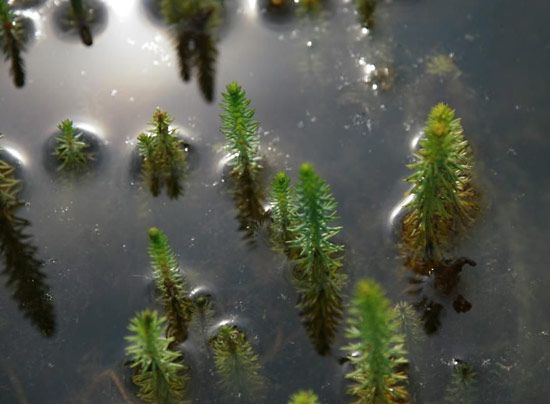
- Moist and Damp Habitats: The majority of Equisetum species thrive in wet or damp environments, frequently appearing in shaded locations along streams, ditches, and canals.21
- Rich Soils: They are commonly found growing in moist, nutrient-rich soils.2
- Varied Conditions: While many species prefer the moisture of woods, riverbanks, and meadows, some species have successfully adapted to drier and sunnier conditions.21
In their natural environment, some species, such as the giant horsetail (E. giganteum), rely on growing in dense stands and being supported by surrounding vegetation like tall grasses and shrubs to reach their full height.21
Sources
- Equisetopsida — Encyclopædia Britannica
- horsetail — Encyclopædia Britannica
- Equisetaceae — Merriam-Webster
- Plant reproductive system - Sphenopsids — Encyclopædia Britannica
Published on · 3 min read