Lower Vascular Plant
Lower vascular plants, also known as cryptogams, are spore-bearing vascular plants that lack seeds. Unlike higher vascular plants, they rely on water for…
How do scientists classify lower vascular plants, and what are the main groups?
Lower vascular plants, also known as cryptogams, are spore-bearing vascular plants that lack seeds. Unlike higher vascular plants, they rely on water for fertilization because they produce motile, flagellated male gametes.12
Modern scientific classification, based on the Pteridophyte Phylogeny Group (PPG I), divides these plants into two unrelated classes:2
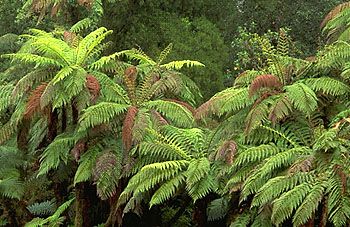
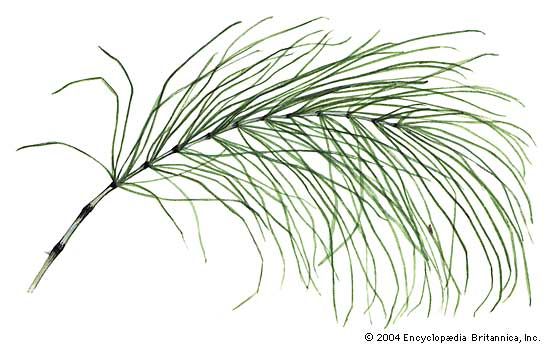
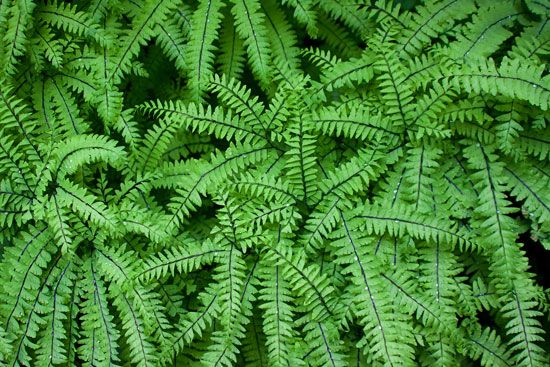
- Class Polypodiopsida: This group includes ferns and horsetails. It is further divided into subclasses such as Ophioglossidae (including whisk ferns), Equisetidae, Marattiidae, and Polypodiidae (leptosporangiate ferns).23
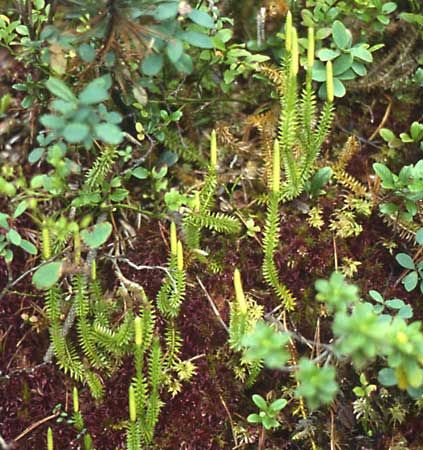
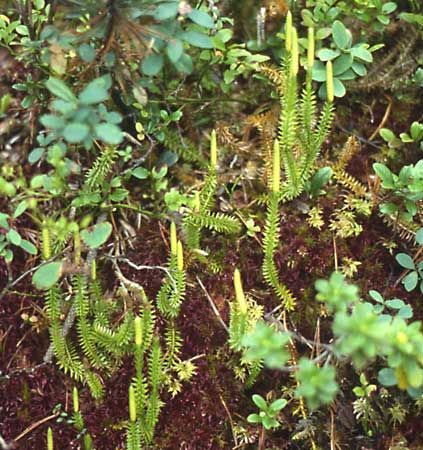
- Class Lycopodiopsida: This class consists of the lycophytes, which include club mosses, spike mosses, and quillworts.24
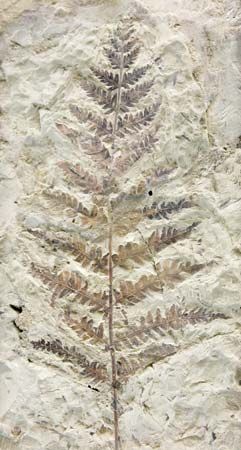
While these groups were historically grouped together as “Pteridophyta” or “fern allies,” modern studies confirm they are not evolutionarily related. Collectively, they represent some of the oldest land plants, with fossil records dating back to the Devonian Period.24
How do lower vascular plants differ from non-vascular plants like mosses and liverworts?
Lower vascular plants and non-vascular plants, such as mosses and liverworts, differ primarily in their internal structure and life cycle complexity.16
Structural Differences
The most significant distinction is the presence of vascular tissue in lower vascular plants. These plants possess specialized conducting systems: xylem for transporting water and minerals, and phloem for distributing food1. The xylem in vascular plants is reinforced with lignin, a hardening substance that provides structural support, allowing these plants to grow larger and inhabit diverse terrestrial environments. In contrast, bryophytes lack true vascular tissue; they rely on simpler cells called hydroids for water movement and do not produce lignin, which limits their size and necessitates growth in humid habitats. Because they lack vascular tissue, bryophytes do not have true roots, stems, or leaves, whereas lower vascular plants possess these specialized organs.7182
Life Cycle and Reproduction
Both groups share an alternation of generations life cycle, but the dominant phase differs. In bryophytes, the gametophyte (the haploid, sexual phase) is the larger, more conspicuous, and dominant generation, while the sporophyte is physiologically dependent on it. In lower vascular plants, the sporophyte is the dominant, independent generation. Despite these differences, both groups produce motile, flagellated sperm and require water for fertilization, a trait reflecting their shared evolutionary history as land plants.91
How do lower vascular plants reproduce, and what role does alternation of generations play in their life cycle?
Lower vascular plants, or pteridophytes, reproduce through a process known as alternation of generations, which involves two distinct phases: the sporophyte and the gametophyte.
The Life Cycle
The sporophyte is the dominant, independent generation—the plant typically recognized as a fern or horsetail. It produces spores within specialized cases called sporangia. Through meiosis, the chromosome number is reduced, and these haploid spores are dispersed by wind. Upon landing in a suitable environment, a spore germinates into a small, often inconspicuous gametophyte, or prothallium.
This gametophyte bears sex organs: antheridia (producing sperm) and archegonia (producing eggs). Because the sperm are flagellated and motile, they require water to swim to the egg for fertilization. The resulting zygote develops into an embryo, which eventually grows into a new, independent sporophyte, completing the cycle.1011
Spore Variation
While most lower vascular plants are homosporous (producing one type of spore), some groups are heterosporous. These plants produce both large megaspores and small microspores, which develop into specialized female and male gametophytes, respectively.10
How have lower vascular plants contributed to the evolution of more complex plant species?
Lower vascular plants played a foundational role in the evolution of complex plant life by acting as primary colonizers that transformed the terrestrial environment. By recycling nutrients such as carbon, nitrogen, and oxygen into the substrate, these early plants facilitated the development of organic soil, which was essential for the subsequent growth of larger, more complex species.1213
Their contributions to plant evolution include:
- Structural Innovation: Early vascular plants developed vascular tissue—specifically xylem reinforced with lignin—which allowed them to overcome size limitations and grow upright, eventually leading to the development of true roots, stems, and leaves.21
- Ecological Succession: As these plants proliferated, they created new habitats, such as forest canopies, which provided niches for vines, epiphytes, and herbivorous animals, driving a dramatic increase in biological diversity.13
- Reproductive Advancements: The transition from a homosporous life cycle to heterospory in some lineages increased the potential for genetic recombination and reduced reproductive mortality. This shift was a critical precursor to the evolution of seed plants, which could eventually colonize drier, more diverse environments.213
Sources
- Plant - Definition of the category — Encyclopædia Britannica
- lower vascular plant — Encyclopædia Britannica
- Fern - Annotated classification — Encyclopædia Britannica
- Pteridaceae — Encyclopædia Britannica
- lycophyte — Encyclopædia Britannica
- bryophyte - General features — Encyclopædia Britannica
- Angiosperm - Evolution of the transport process — Encyclopædia Britannica
- Plant - Life histories — Encyclopædia Britannica
- lower vascular plant - Vascular system — Encyclopædia Britannica
- lower vascular plant - Reproduction — Encyclopædia Britannica
- Fern - Life cycle — Encyclopædia Britannica
- Plant - Evolution of land plants from the Ordovician Period through the middle Devonian — Encyclopædia Britannica
- Sporophyte — Encyclopædia Britannica
- Plant - Evolution of seed plants and plant communities — Encyclopædia Britannica
- Tree - Tree structure and growth — Encyclopædia Britannica
- Plant - Evolution and paleobotany — Encyclopædia Britannica
Published on · 4 min read