Hövsgöl Lake
Hövsgöl Lake is the largest and deepest freshwater lake in Mongolia. Located in the northern part of the country near the Russian border, it sits at an…
What is Hövsgöl Lake?
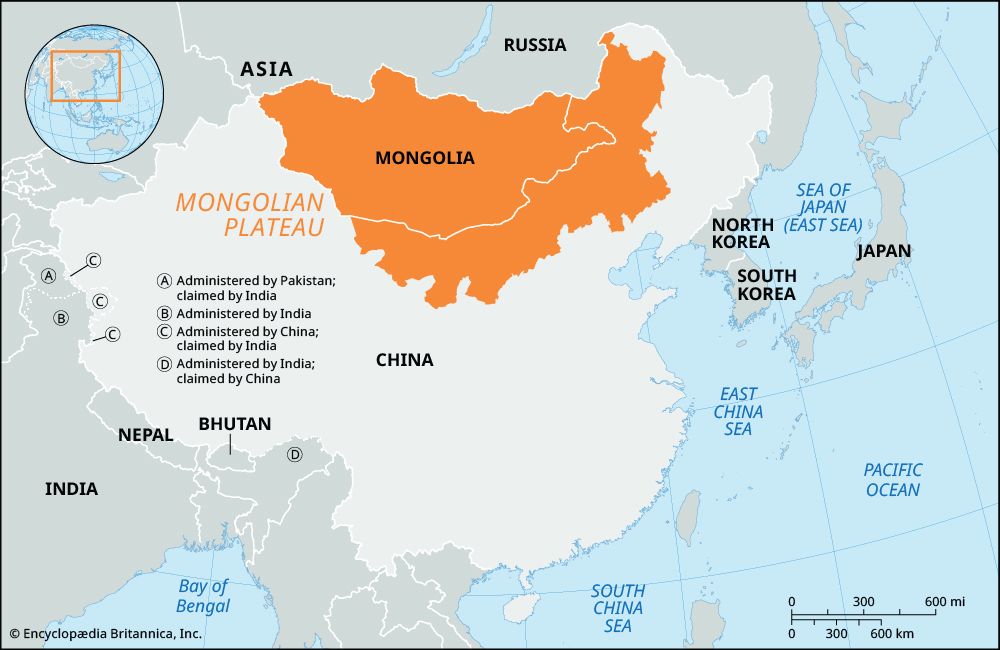
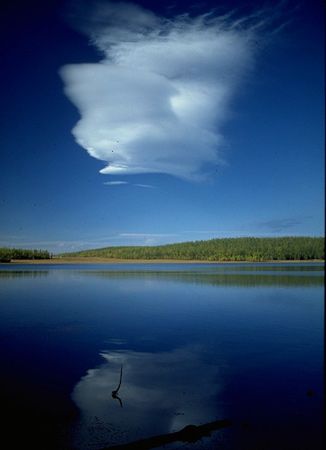
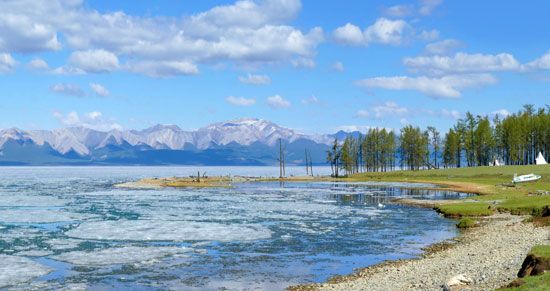
Hövsgöl Lake is the largest and deepest freshwater lake in Mongolia. Located in the northern part of the country near the Russian border, it sits at an elevation of 5,397 feet (1,645 m) at the southern base of the east Sayan Range.12
The lake covers an area of 1,012 square miles (2,620 square km) and reaches depths exceeding 800 feet (244 m). It occupies a structural depression and is drained southward by the Egiyn River, which eventually feeds into the Selenge River and the Lake Baikal drainage basin1. The region is characterized by the nearby Hövsgöl Mountain Range, which lies to the south of the lake.132
How does Lake Hovsgol compare to Lake Baikal?
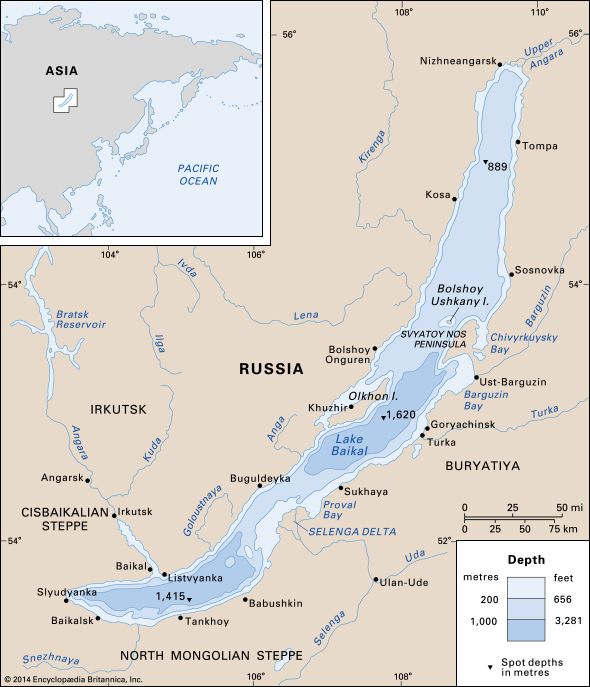
Hövsgöl Lake and Lake Baikal are hydrologically linked, as Hövsgöl is part of the Lake Baikal drainage basin. Specifically, water from Hövsgöl Lake flows into the Egiyn River, which eventually feeds into the Selenge River, a primary tributary that empties into Lake Baikal.1
While both are significant freshwater bodies in the region, they differ in scale. Hövsgöl Lake covers an area of 1,012 square miles (2,620 square km) and reaches depths exceeding 800 feet (244 m). In contrast, Lake Baikal is globally recognized as the world’s deepest and most voluminous freshwater lake, far exceeding the dimensions of its Mongolian neighbor.1
What unique wildlife lives around Lake Hovsgol?
Sorry, the Britannica knowledge base does not contain information regarding the specific wildlife found around Hövsgöl Lake.
Why is the Egiyn River important to the lake’s ecosystem?
The Egiyn River (also known as the Eg River or Egiin Gol) is primarily important to the ecosystem of Hövsgöl Lake because it serves as the lake’s only outlet. By draining the lake southward, the river acts as the essential mechanism for water outflow, connecting the lake to the broader Selenge River system.13
This hydrological connection integrates the lake into the Lake Baikal drainage basin, facilitating the movement of water from northern Mongolia toward the Russian border and ultimately into Lake Baikal. While the provided information establishes this critical role as the sole outlet for the lake’s water, the Britannica knowledge base does not contain further details regarding specific ecological impacts the river has on the lake’s internal environment.31
Sources
- Hövsgöl Lake — Encyclopædia Britannica
- Hövsgöl Mountains — Encyclopædia Britannica
- Mongolia - Drainage — Encyclopædia Britannica
Published on · 2 min read