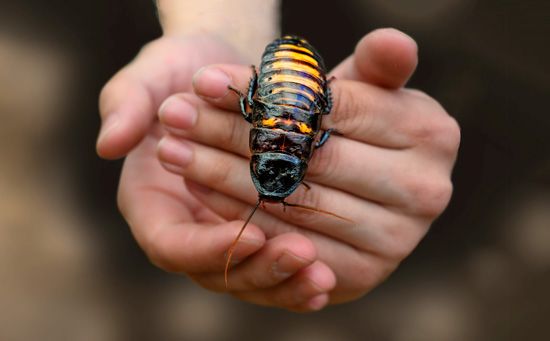
How Do Cockroaches Breathe?
Unlike humans, cockroaches do not possess lungs. Instead, they utilize a respiratory system composed of a network of tubes called tracheae.
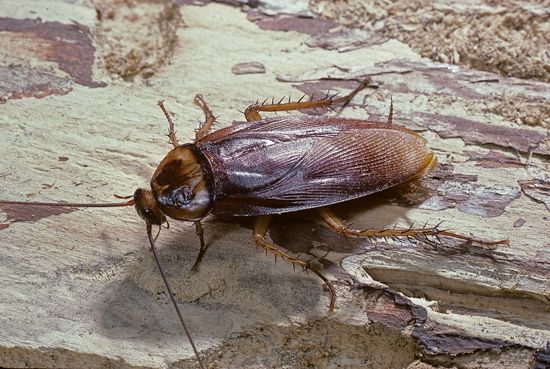
How Do Cockroaches Breathe?
Unlike humans, cockroaches do not possess lungs. Instead, they utilize a respiratory system composed of a network of tubes called tracheae.1
These tubes open to the outside of the body through paired, valvelike structures known as spiracles, which are located along the thorax and abdomen. Muscles near the spiracles keep them closed most of the time to prevent water loss, opening them as needed to exchange oxygen and carbon dioxide. The tracheae branch into smaller, thin-walled tubes called tracheoles, where gas exchange occurs directly with the insect’s tissues via diffusion.12
Because cockroaches are highly active, they supplement passive diffusion with mechanical ventilation. They perform rhythmic pumping movements with their abdomen to force air through the tracheal network. This process can be further stimulated by heat stress or changes in gas concentrations, which trigger nerve centers to increase respiratory activity.12
How do other insects without lungs breathe?
Insects rely on a tracheal system rather than lungs to facilitate gas exchange. This network of branching tubes delivers oxygen directly to tissues and removes carbon dioxide, typically bypassing the need for a circulatory system to transport respiratory gases.5
Key Mechanisms
- Spiracles: These paired, valvelike openings on the thorax and abdomen regulate air intake and prevent water loss.52
- Diffusion: Oxygen and carbon dioxide move through the tracheae and smaller tracheoles, exchanging with tissues via diffusion.52
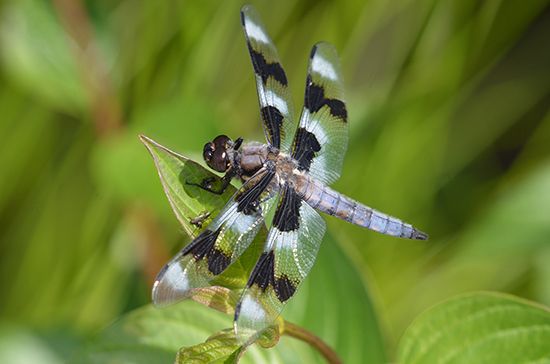
- Mechanical Ventilation: Active insects, such as dragonflies and bees, use rhythmic abdominal pumping to force air through the system.2
Aquatic Adaptations
Some insects have evolved specialized methods for underwater respiration:
- Tracheal Gills: Immature insects like mayfly nymphs possess thin-walled protrusions that extract oxygen from water.5
- Bubble Breathing: Certain beetles carry an air bubble that acts as a physical gill, while others utilize a plastron—a permanent air layer held by dense hairs—to remain submerged indefinitely.5
- Internal Stores: Some hemipterans use hemoglobin-filled cells to store oxygen for use while submerged.5
What is the difference between diffusion and mechanical ventilation?
The primary difference between diffusion and mechanical ventilation lies in whether the movement of gases is passive or active.
Diffusion
Diffusion is a passive physical process driven by the random motion of molecules. It results in a net flow of matter from a region of higher concentration to a region of lower concentration. In the context of insect respiration, oxygen and carbon dioxide move through the thin walls of the tracheoles and into tissues based on these concentration gradients. Because this process relies on passive movement, it is highly effective over short distances but becomes inefficient over longer ones, which is a factor that limits the maximum body size of many insects.165
Mechanical Ventilation
Mechanical ventilation is an active process used by highly active insects, such as cockroaches, dragonflies, and bees. It involves rhythmic pumping movements of the abdomen to create pressure changes within the tracheal network. This force actively drives air through the spiracles and throughout the body, supplementing passive diffusion to meet the higher oxygen demands of an active lifestyle.15
Why do cockroaches need to pump their abdomens to breathe?
Cockroaches do not have lungs to facilitate breathing; instead, they rely on a tracheal system consisting of branching tubes that deliver oxygen directly to their tissues. While less active insects can rely on passive diffusion to move gases through these tubes, cockroaches are highly active and have higher metabolic demands that require more efficient gas exchange.1
To meet these needs, cockroaches utilize mechanical ventilation. By performing rhythmic pumping movements with their abdomen, they create pressure changes within the tracheal network. These movements help force air through the spiracles—the external openings of the system—and drive air through the internal tubes more effectively than diffusion alone. This active ventilation is also triggered by factors such as heat stress or imbalances in oxygen and carbon dioxide levels, ensuring the insect maintains adequate respiration during periods of high activity.1
Sources
- How Do Cockroaches Breathe? — Encyclopædia Britannica
- spiracle — Encyclopædia Britannica
- cockroach - Physical description — Encyclopædia Britannica
- insect - Respiratory system — Encyclopædia Britannica
- Respiratory system - Trachea — Encyclopædia Britannica
- diffusion — Encyclopædia Britannica
- trachea — Encyclopædia Britannica
Published on · 3 min read