How Do Penguins Stay Warm?
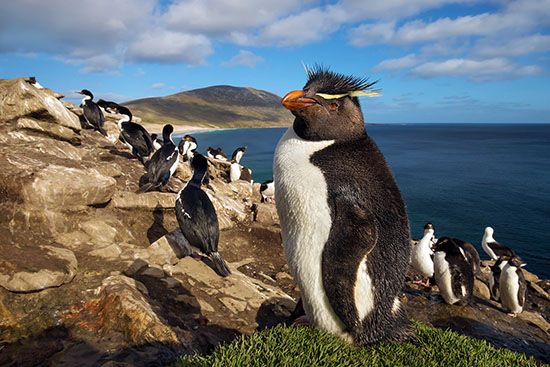
Penguins utilize a combination of physical adaptations and behavioral strategies to survive in freezing environments.
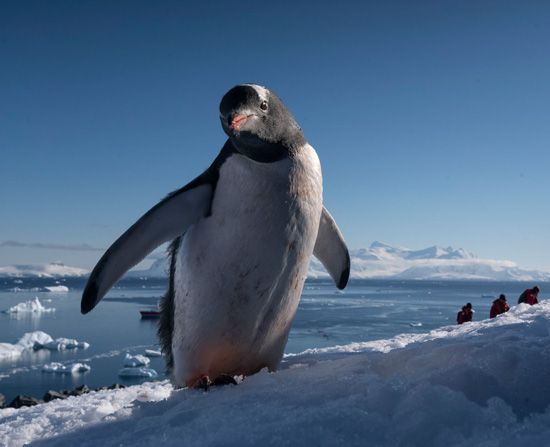
How do penguins stay warm?
Penguins utilize a combination of physical adaptations and behavioral strategies to survive in freezing environments.
Physical Adaptations
- Insulation: Penguins possess densely packed, short, stiff feathers that trap a layer of air against their skin, providing excellent insulation. Additionally, a thick layer of fat beneath the skin further protects them from the cold.12
- Countercurrent Heat Exchange: To prevent heat loss through their bare feet, penguins employ a specialized thermal conduction system. Closely aligned arteries and veins in their lower limbs allow warm blood flowing from the body’s core to transfer heat to the cooler blood returning from the extremities, keeping their core temperature stable.12
Behavioral Strategies
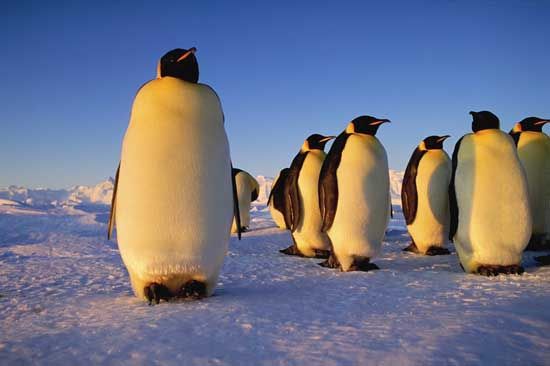
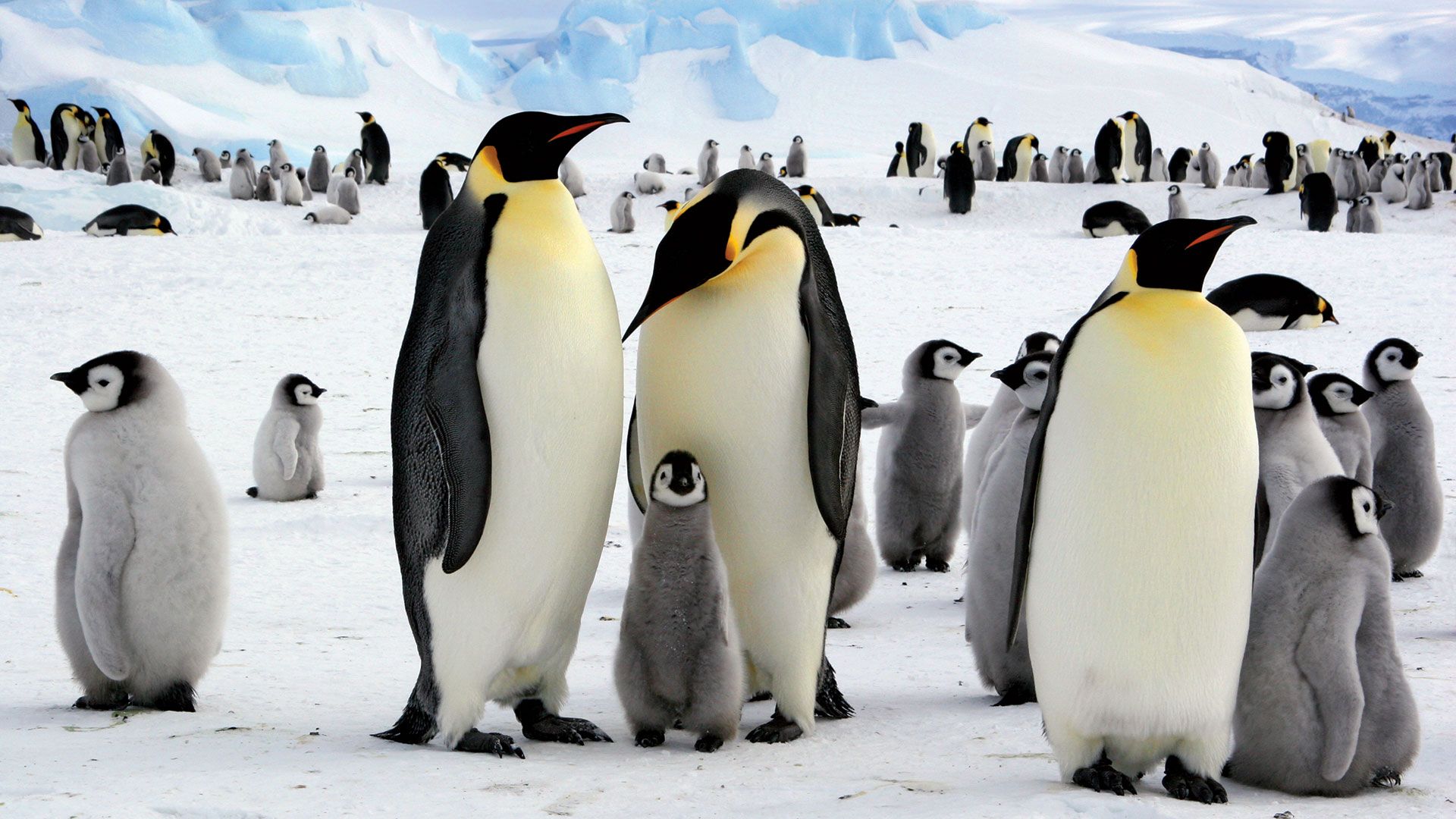
- Huddling: During harsh Antarctic storms, penguins gather in large, tightly packed groups. This communal behavior allows them to share body heat and shield one another from the wind.1
How does the countercurrent heat-exchange system work in other animals?
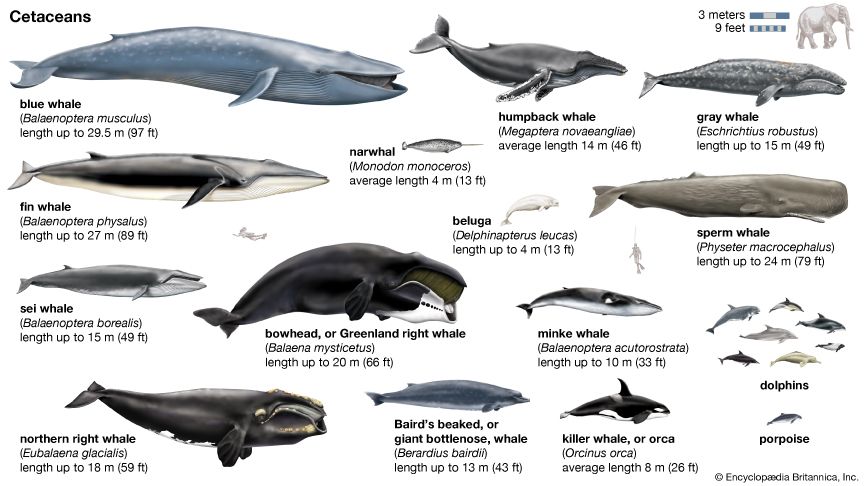
Countercurrent heat exchange is a vital physiological mechanism used by various animals, such as cetaceans, to maintain a stable internal temperature in challenging environments.
In these animals, the system functions by positioning arteries carrying warm blood from the body’s core in close proximity to veins returning cooler blood from the periphery. This arrangement allows for the transfer of heat between the two vessels.3
- Heat Conservation: When an animal needs to retain warmth, venous blood returning from the skin is routed through vessels wrapped around the warm arteries. The arterial blood transfers its heat to the venous blood, which then carries that warmth back to the heart. Consequently, the arterial blood arrives at the skin surface precooled, minimizing the amount of heat lost to the external environment.3
- Heat Dissipation: Conversely, if an animal needs to shed excess heat, it can route venous blood through superficial veins that bypass this exchange system. This allows the blood to lose heat directly to the environment before returning to the heart.3
This sophisticated adaptation is essential for warm-blooded animals to regulate their body temperature effectively.
What are the main differences between emperor penguins and other penguin species?
The emperor penguin (Aptenodytes forsteri) is distinct from other penguin species in several key ways, primarily due to its size, breeding cycle, and specialized parental care.
Key Differences
- Size: As the largest member of the penguin order, the emperor penguin can reach heights of 1.3 meters (4.3 feet) and weigh up to 45 kg (100 pounds), significantly larger than most other species.56
- Breeding Cycle: Unlike most penguins that breed in the spring or summer, emperor penguins begin breeding in the autumn. This timing ensures that their long developmental period results in fledged young during midsummer, maximizing survival chances.26
- Parental Care: Emperor penguins are unique in that the male performs incubation exclusively, holding the single egg on his feet and covering it with a layer of skin to protect it from extreme cold. While other species share incubation duties, the female emperor penguin departs for the sea immediately after laying and does not return until the incubation period concludes.26
- Diving Ability: They are the world’s deepest-diving birds, capable of reaching depths of approximately 550 meters (1,800 feet) to hunt.6
How do penguin chicks survive the extreme cold before they grow their adult feathers?
Penguin chicks survive the extreme cold before they grow their adult feathers through a combination of parental protection and communal behavior.
During their early days, chicks are sheltered directly under the bodies of their parents, who take turns brooding and foraging at sea. For example, emperor penguin chicks stand on the feet of one of their parents, protected by a layer of skin, until they are strong enough to withstand the cold on their own.172
As the chicks grow larger, they remain close to their parents’ sides to minimize exposure to the elements. Eventually, they join a crèche—a nursery group consisting of many young penguins—which provides protection against both the cold and predators while their parents are away foraging. During this stage, the chicks’ initial fuzzy down is gradually replaced by a coat of short, stiff feathers similar to those of an adult, which provide the insulation necessary for them to eventually survive independently at sea.172
Sources
- How do penguins stay warm? — Encyclopædia Britannica
- penguin - Form and function — Encyclopædia Britannica
- Warm-bloodedness — Encyclopædia Britannica
- cetacean - Circulation and thermoregulation — Encyclopædia Britannica
- Emperor penguin: Top Questions — Encyclopædia Britannica
- penguin - Reproduction — Encyclopædia Britannica
- Emperor penguin — Encyclopædia Britannica
- Reproductive behaviour - Parental care — Encyclopædia Britannica
Published on · 3 min read