Ericaceae
Ericaceae, commonly known as the heath family, is a diverse group of flowering plants within the order Ericales. It comprises approximately 126 genera and…

What is Ericaceae?
Ericaceae, commonly known as the heath family, is a diverse group of flowering plants within the order Ericales. It comprises approximately 126 genera and 4,000 species, consisting primarily of shrubs and small trees.12
These plants are widely distributed across the globe, thriving in temperate, arctic, and tropical montane climates. They are particularly well-adapted to acidic, nutrient-poor soils, often forming symbiotic relationships with fungi that assist in nutrient uptake. Many species exhibit xeromorphic features, such as thick or narrow leaves, to survive in environments with limited water.12
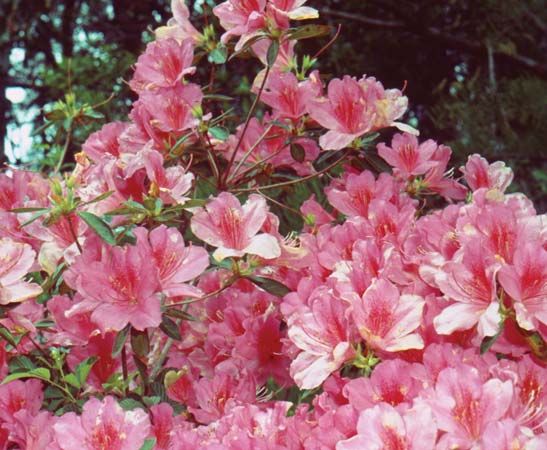
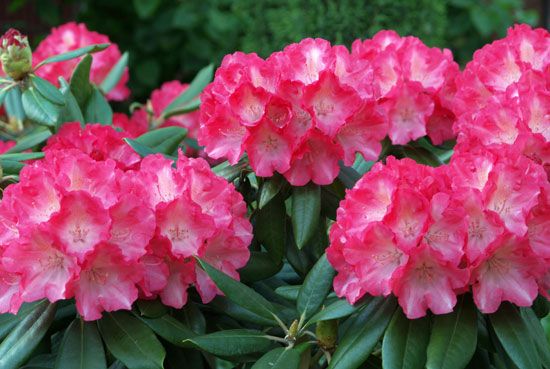
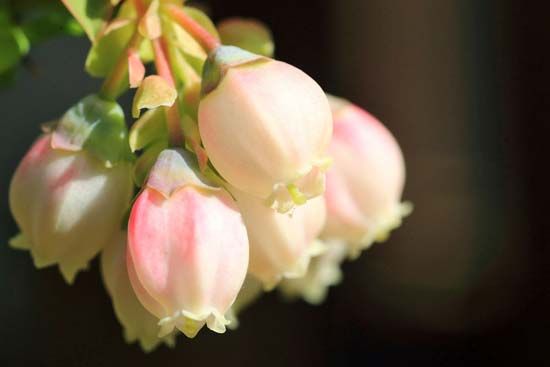
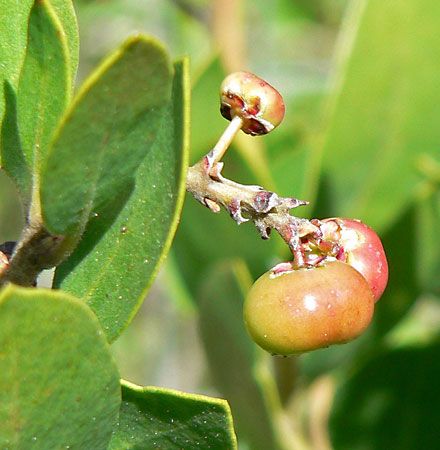
The family is highly valued in horticulture for its showy flowers, which typically feature fused petals and are often urn-shaped or tubular. Well-known members include rhododendrons, azaleas, mountain laurel, and various blueberries and cranberriesblueberry-plant) and cranberries. Depending on the species, their fruits may be berries, capsules, or drupes.12
How do Ericaceae plants form symbiotic relationships with fungi to survive in acidic soil?
Ericaceae plants thrive in acidic, nutrient-poor environments by forming symbiotic relationships with fungi that colonize their root systems. In this association, the fungal hyphae inhabit the roots without penetrating the plant cells themselves.3
These fungi play a critical role in the plant’s survival by facilitating the uptake of essential nutrients, particularly nitrogen, which is often scarce in the acidic habitats these plants prefer. This relationship is so vital that some members of the family, such as the Indian pipe (Monotropa), lack chlorophyll entirely. These achlorophyllous species depend completely on their fungal partners for nutrition; in these cases, the fungi often connect to nearby trees, allowing nutrients to be transferred from the trees to the Ericaceae plant.3
What makes the Indian pipe plant unique compared to other members of the heath family?
The Indian pipe (Monotropa uniflora) is uniquely distinguished from most other members of the heath family by its status as a nonphotosynthetic, obligate mycoheterotroph.45
While most Ericaceae are photosynthetic shrubs or small trees that produce their own energy, the Indian pipe has lost the ability to produce chlorophyll entirely. Instead, it relies on a specialized, one-sided nutritional relationship with fungi. These fungi are typically connected to the roots of neighboring trees, such as beeches, and the Indian pipe leaches the carbon-based nutrients that the fungi have acquired from those trees.456
Because it does not require sunlight for energy, the Indian pipe lacks the green pigmentation typical of its relatives, appearing instead as a white, waxy, or pinkish herb with leaves reduced to small scales. This evolutionary adaptation allows it to thrive in the deep shade of forest floors where photosynthesis would be difficult for other plants.456
How do different species of Ericaceae use specialized pollination methods like buzz pollination?
In the Ericaceae family, buzz pollination—also known as sonication or floral vibration—is a specialized mechanism used by certain species to release pollen that is otherwise trapped within the flower’s anthers.
While many Ericaceae rely on diverse strategies such as bird or insect visitation, buzz pollination is specifically utilized by some members of the genus Vaccinium, including the cranberry (Vaccinium oxycoccus). In these plants, the anthers often release pollen through small pores or slits. To access this pollen, specific bees—notably bumblebees—vibrate their flight muscles at a precise frequency while grasping the flower. This vibration triggers the release of the pollen, which the bee then collects.73
This method is distinct from other pollination strategies in the family, such as the explosive release of pollen found in Kalmia or the use of viscin threads in Rhododendron to entangle pollen for larger pollinators.7
Sources
- Ericaceae — Encyclopædia Britannica
- heath — Encyclopædia Britannica
- Ericales - Ericaceae — Encyclopædia Britannica
- Indian pipe — Encyclopædia Britannica
- mycoheterotroph — Encyclopædia Britannica
- Indian pipe — Merriam-Webster
- Why Do Bees Buzz? — Encyclopædia Britannica
- Major types of pollinators - Bees — Encyclopædia Britannica
Published on · 3 min read