Hula Valley
The drainage of the Hula Valley in the 1950s, intended to reclaim land for agriculture, fundamentally altered the region's wetland ecosystem. By 1958, the…
How has the drainage of the Hula Valley in the 1950s affected its ecosystem?
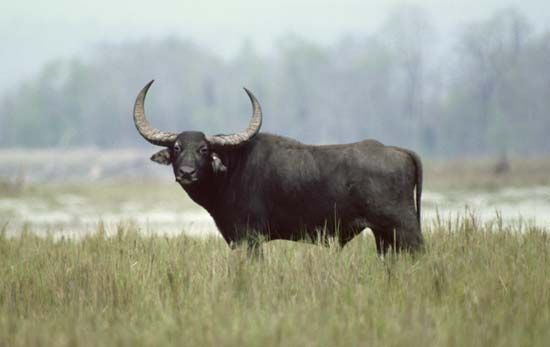
The drainage of the Hula Valley in the 1950s, intended to reclaim land for agriculture, fundamentally altered the region’s wetland ecosystem. By 1958, the project had successfully eliminated the original lake and surrounding swamps, which had previously served as a habitat for water buffalo, wild boar, and numerous migratory birds.1
While the project created fertile farmland, it triggered significant, unforeseen environmental consequences. By the early 1990s, the region experienced sinking groundwater levels and soil degradation that rendered some of the newly reclaimed land unusable. These ecological challenges eventually prompted efforts to restore a portion of the valley to its natural state as a nature reserve.1
Where is the Hula Valley located in Israel, and what are its geographical features?
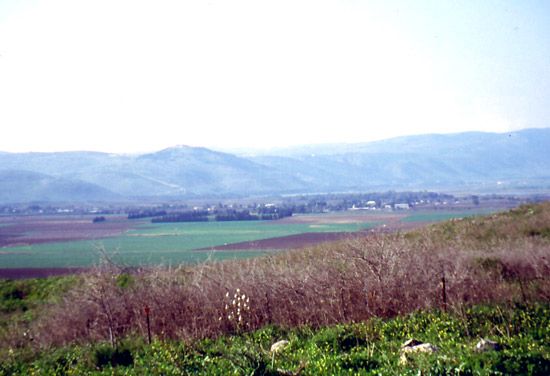
The Hula Valley is located in the upper Galilee region of northeastern Israel. It occupies the majority of the Jordan River course north of the Sea of Galilee.1
Geographical Features
The valley is a distinct geographical depression characterized by the following features:
- Dimensions: It spans approximately 16 miles (25 km) in length and 4 miles (6 km) in width, covering an area of about 68 square miles (177 square km).1
- Boundaries: It is bordered by the settlement of Ma‘yan Barukh and Dan to the north, the Golan Heights to the east, and the Hills of Naphtali to the west. To the south, the terrain slopes gradually toward the Sea of Galilee.1
- Hydrology: Historically, the valley featured a low natural gradient, which resulted in the formation of Lake Hula and extensive surrounding swamps. Following major drainage projects in the 1950s, the Jordan River was canalized, and a network of drainage and irrigation canals was established to reclaim the land for agriculture.1
What is the historical significance of the Hula Valley in terms of agriculture and settlement?
The Hula Valley’s history is defined by a transition from a desolate, malarial swamp to a center of intensive agricultural production. For much of recorded history, the valley remained largely uninhabited due to its swampy terrain, with the exception of a few Arab villages. Modern colonization efforts began in 1883 with the founding of the Jewish settlement of Yesud ha-Ma‘ala.1
Significant agricultural and settlement development accelerated in the 1930s after the Palestine Land Development Company acquired land in the southern portion of the valley, leading to the establishment of numerous kibbutzim. The most transformative period occurred between 1951 and 1958, when a massive drainage project eliminated the lake and swamps, creating over 22 square miles of highly fertile farmland. This reclaimed land became vital for cultivating grains, fodder, fruits, peanuts, cotton, and vegetables for export. To support this growth, the city of Qiryat Shemona was established as the region’s primary urban and industrial hub.1
How does the Hula Valley contribute to Israel’s economy and tourism industry?
The Hula Valley serves as a vital agricultural hub for Israel, having been transformed from a malarial swamp into some of the country’s most productive farmland following extensive drainage projects in the 1950s. This reclaimed land supports the cultivation of various crops, including grains, fodder, fruits—notably apples—peanuts, cotton, vegetables, and bulbs, many of which are produced for export. The city of Qiryat Shemona was specifically established to function as the urban and industrial center for this agricultural region.1
Regarding tourism and environmental significance, the valley includes a nature reserve that preserves a portion of the original wetland ecosystem. By the early 1990s, environmental concerns regarding the drainage project led to efforts to restore parts of the valley to its natural wetland state, which contributes to the region’s ecological value.1
Sources
- Hula Valley — Encyclopædia Britannica
- Hawaii — Encyclopædia Britannica
Published on · 3 min read