Nature Reserve
A nature reserve is a designated area established primarily to protect and preserve specific animals, plants, or entire ecosystems. Unlike a national park…
What is nature reserve?
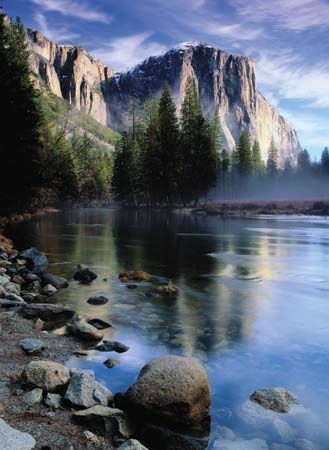
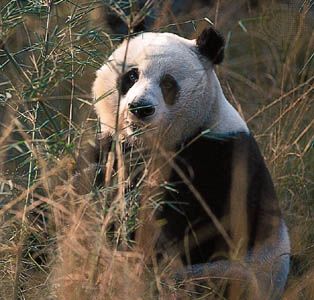
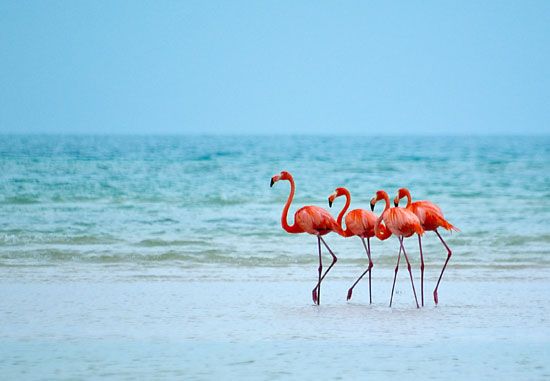
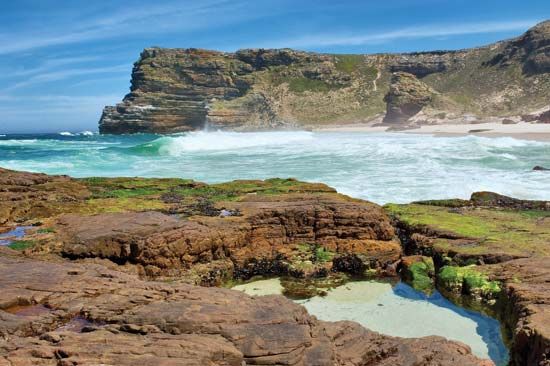
A nature reserve is a designated area established primarily to protect and preserve specific animals, plants, or entire ecosystems. Unlike a national park, which may serve multiple purposes, a nature reserve is typically smaller and focused solely on nature conservation. These areas are vital for safeguarding endangered species from threats like hunting and habitat loss.12
While the concept of protecting land for wildlife dates back to medieval game preserves, the modern approach of conservation to prevent extinction emerged in the 19th century. Today, these sites are found globally, often featuring minimal human infrastructure to ensure the integrity of the protected environment.12
For broader conservation efforts, biosphere reserves offer a different model, managing land to balance human activity with ecological sustainability through a system of core, buffer, and transition zones.3
How do nature reserves differ from national parks?
Nature reserves and national parks are both designated areas for environmental protection, but they differ primarily in their scope and purpose:
- Primary Purpose: A nature reserve is established with the sole objective of protecting nature, specifically to preserve certain plants, animals, or ecosystems. In contrast, a national park is often set aside by a national government for multiple purposes, including public recreation, enjoyment, and the preservation of areas with historical or scientific interest.14
- Size and Scope: Nature reserves are typically smaller than national parks. While national parks often encompass vast landscapes and focus on the protection of both land and wildlife, nature reserves are frequently used to safeguard endangered species from threats such as hunting and habitat loss.14
- Management: National parks often face a “built-in paradox” where they must balance public tourism with the need to keep wildlife undisturbed, often by restricting visitors to specific areas. Nature reserves generally maintain a more singular focus on conservation, often with minimal human infrastructure to ensure the integrity of the protected environment.14
What is a biosphere reserve and how does it function?
A biosphere reserve is a designated terrestrial, marine, or coastal ecosystem managed to conserve biodiversity while demonstrating how humans can live in balance with their environment. Designated by UNESCO, these sites serve as “learning places for sustainable development,” where researchers and local communities collaborate to manage natural resources.3
Functional Structure
To balance conservation with human activity, biosphere reserves are typically organized into three concentric zones with varying levels of regulation:
- Core Area: The central zone with the strictest protections, designed to preserve ecosystems, landscapes, and genetic variation with minimal or no human interference.3
- Buffer Zone: Surrounding the core, this area permits activities that follow sound ecological practices, such as scientific research, environmental monitoring, and educational programs.3
- Transition Area: The outermost zone, which allows for more intensive human activity, including small-scale agriculture, forestry, and settlements, provided these practices promote sociocultural well-being and sustainability.3
By integrating these zones, biosphere reserves function as living laboratories to develop innovative solutions to environmental challenges.3
Why are endangered species often relocated to nature reserves?
Endangered species are frequently relocated to nature reserves primarily to protect them from the threats that have driven them to the brink of extinction, such as hunting and habitat loss. By providing a dedicated space where the sole purpose is the preservation of nature, these reserves offer a sanctuary away from the human activities that endanger these populations.1
While ecological restoration and rewilding efforts aim to return native species to their environments, these processes are complex and often require ongoing management to remove invasive species and re-establish the intricate webs of relationships necessary for survival. Because human-directed efforts cannot fully replicate the complexity of natural ecosystems formed over millennia, the conservation of existing natural spaces remains a vital priority for protecting vulnerable wildlife.6
Sources
- nature reserve — Encyclopædia Britannica
- nature reserve — Merriam-Webster
- biosphere reserve — Encyclopædia Britannica
- national park — Encyclopædia Britannica
- marine protected area — Encyclopædia Britannica
- How Do You Rewild an Environment? — Encyclopædia Britannica
Published on · 3 min read