Huon Pine
The Huon pine (Lagarostrobos franklinii, formerly classified as Dacrydium franklinii) is a gray-barked conifer belonging to the Podocarpaceae family. Native…
What is Huon pine?
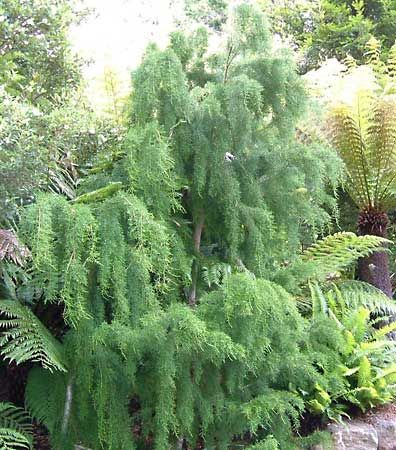
The Huon pine (Lagarostrobos franklinii, formerly classified as Dacrydium franklinii) is a gray-barked conifer belonging to the Podocarpaceae family. Native to Tasmania, this tree typically grows along river systems at altitudes between 150 and 600 meters.12
Physically, the Huon pine is characterized by a straight, pyramidal trunk that reaches heights of 21 to 30 meters and a diameter of up to one meter. Its wood is highly valued for being soft, fragrant, and featuring a distinctive wavy grain. Due to these properties, the timber is frequently utilized in shipbuilding, carving, furniture making, and cabinetry. Additionally, an oil extracted from the wood serves as a preservative for paint.21
How long can a Huon pine tree live?
The provided search results do not contain specific information regarding the maximum lifespan of a Huon pine tree. While the articles discuss the longevity of other species, such as bristlecone pines, they do not provide data on the age potential of Lagarostrobos franklinii.
Why is the wood of the Huon pine so resistant to rot?
The wood of the Huon pine is highly resistant to decay primarily due to the presence of natural toxic extractives within the wood. While no wood species is entirely immune to degradation, these chemical compounds act as a significant deterrent to the fungi and other organisms that typically cause wood loss.2
In general, the resistance of any wood species to decay is largely determined by these internal extractives. Because the Huon pine is known for its aromatic properties—an indicator of these chemical components—it possesses a natural defense mechanism that helps preserve its structural integrity over long periods. This durability is a key reason why the timber is highly sought after for applications such as shipbuilding and fine cabinetry.215
What other unique plants are native to Tasmania?
Tasmania is home to a diverse range of unique and endemic plant species, particularly within its cool temperate rainforests and alpine regions. Notable native plants include:
- King Billy pine: An endemic conifer often found in the island’s high-altitude and rainforest environments.6
- Myrtle beech (Nothofagus cunninghamii): A dominant tree in Tasmania’s wettest rainforest areas, sometimes referred to as Tasmanian myrtle.678
- Horizontal (Anodopetalum biglandulosum): A remarkable small tree that creates dense, nearly impenetrable thickets by falling under its own weight and sprouting new branches that repeat the process.7
- Scoparia: An endemic shrub species characteristic of the region’s unique flora.6
- Leatherwood: A native tree known for its role in the local ecosystem.6
- Native plum: Another notable tree species found within the Tasmanian wilderness.6
- Cushion plants: Specialized vegetation found on the island’s mountain plateaus, exhibiting subantarctic affinities.7
The landscape also features various eucalyptus forests and extensive sedge lands, which contribute to the island’s distinct ecological character.67
Sources
- Huon pine — Merriam-Webster
- Huon pine — Encyclopædia Britannica
- How Can Some Trees Survive for Thousands of Years? — Encyclopædia Britannica
- life span - Problem of defining age — Encyclopædia Britannica
- wood - Degradation — Encyclopædia Britannica
- Tasmanian Wilderness — Encyclopædia Britannica
- Tasmania - Plant and animal life — Encyclopædia Britannica
- Tasmanian myrtle — Merriam-Webster
Published on · 2 min read