Lepidozamia
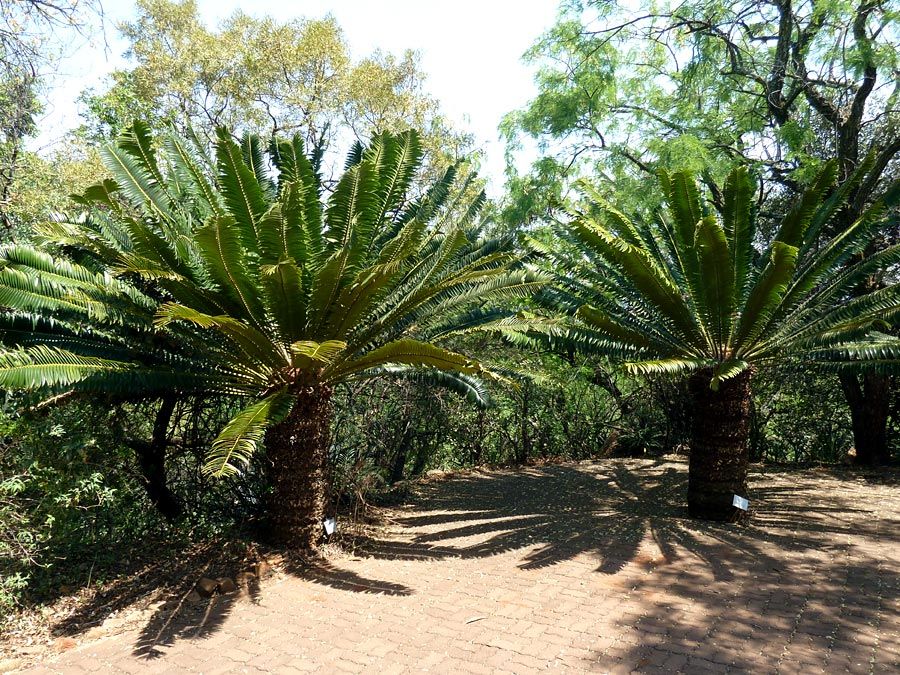
Lepidozamia is a genus consisting of two species of cycads belonging to the family Zamiaceae, native to the eastern coast of Australia.
What is Lepidozamia?
Lepidozamia is a genus consisting of two species of cycads belonging to the family Zamiaceae, native to the eastern coast of Australia.1
These plants are characterized by a substantial trunk covered in persistent leaf bases and pinnately compound leaves with a thickened central axis. They produce large, sessile cones with spirally arranged sporophylls. Notable features of the genus include:1
- Size records: The female cones of Lepidozamia peroffskyana are among the largest in the cycad world, growing up to 90 cm (35 inches) long and weighing as much as 45 kg (nearly 100 pounds).1
- Height: L. hopei, commonly known as Hope’s cycad, holds the distinction of being the tallest extant cycad, reaching heights of over 17 metres (56 feet).1
What are the main characteristics of cycads?
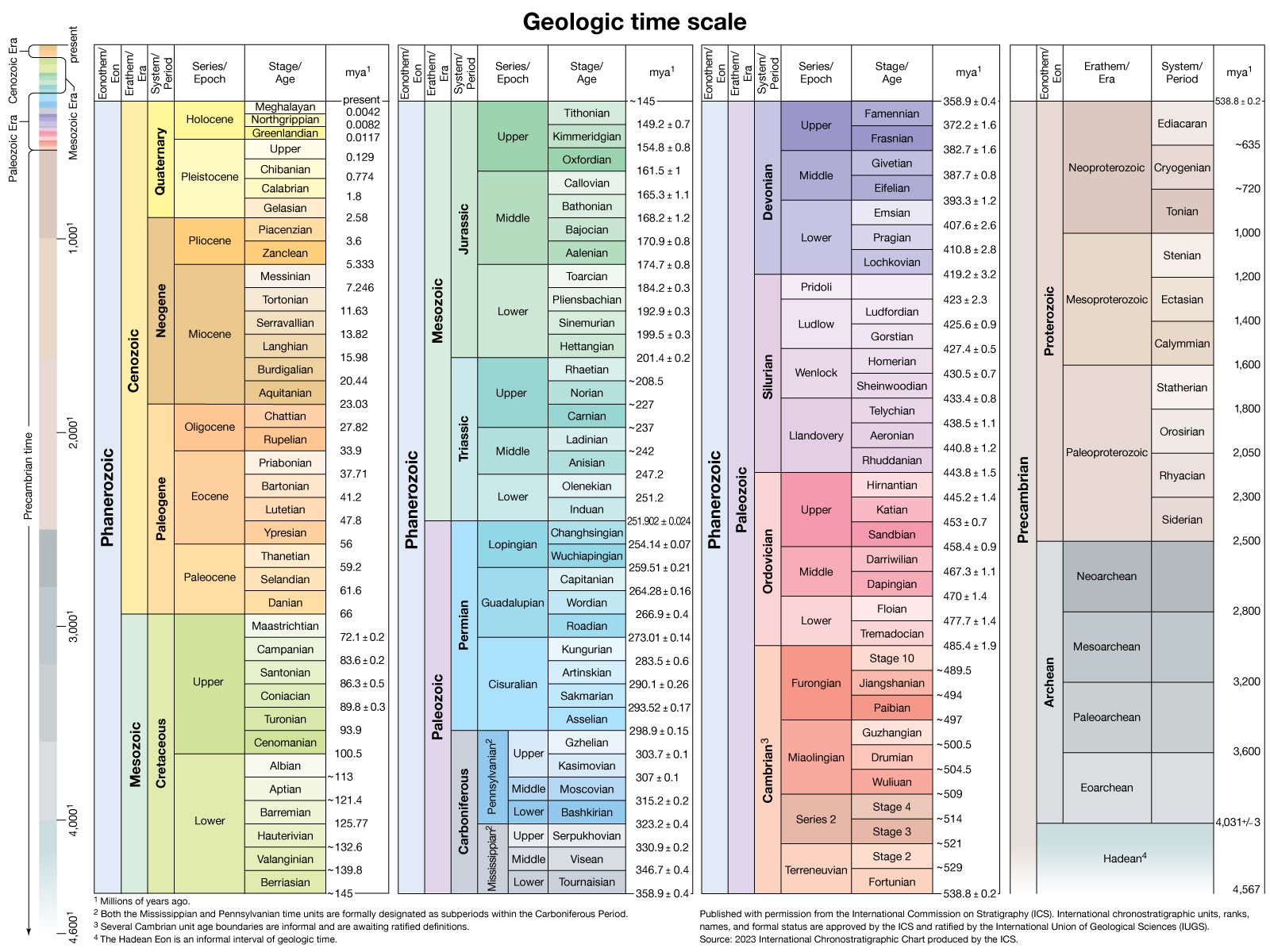
Cycads are a group of slow-growing, gymnospermous plants that have existed since the Mesozoic Era. They are characterized by the following main features:23
- Physical Appearance: Cycads are typically palmlike in appearance, featuring a crown of large, pinnately compound leaves atop a trunk. Their stems are often stout and pachycaulous (thick), ranging from subterranean tuberlike forms to tall, arborescent trunks covered in an armour of persistent leaf bases.234
- Reproduction: Cycads are dioecious, meaning male and female reproductive structures are borne on separate plants. They produce cones (strobili) for reproduction. A primitive and notable characteristic is their use of large, multiflagellated, motile sperm for fertilization, which is a trait shared with ferns and ginkgo.5367
- Growth and Ecology: They are generally slow-growing and long-lived, with some individuals estimated to be hundreds of years old. While they were once widespread, they are now primarily found in tropical and subtropical regions. Many species are currently endangered due to overharvesting and habitat loss.4328
How do cycads reproduce using cones?
Cycads are dioecious plants, meaning male and female reproductive structures—known as strobili or cones—are borne on separate individuals.103
Male Cones (Microstrobili)
Male cones contain numerous microsporophylls, which are modified leaves bearing clusters of microsporangia (pollen sacs) on their undersides](https://www.britannica.com/science/microsporangium) (pollen sacs) on their undersides. These sacs produce vast quantities of pollen, which acts as an immature male gametophyte10. While wind was once thought to be the primary dispersal method, research indicates that insects, such as snout weevils, are essential for transporting pollen to female cones.10311
Female Cones (Megastrobili)
Female cones consist of megasporophylls that house ovules. Pollen enters the ovule through a small opening called the micropyle. Inside, the male gametophyte develops a pollen tube that grows toward the archegonium, which contains the egg.311
Fertilization and Development
Cycads are unique among seed plants for producing large, multiflagellated, motile sperm. Once the pollen tube reaches the archegonium, these sperm are released to fertilize the egg, forming a zygote that develops into an embryo within a seed. This process is notably slow, often taking several months to over a year to reach maturity.113
What other types of plants are found in the Zamiaceae family?
The Zamiaceae family is a diverse group of cycads comprising approximately 190 species. These plants are characterized by their singly pinnate compound leaves and simple cones, with female cones typically featuring biovulate megasporophylls.12
The family includes several distinct genera:
- Zamia: Native to tropical and subtropical America, these are generally small, stocky, fernlike plants with turniplike stems.13
- Encephalartos: A genus of about 65 species native to central and southern Africa, ranging from tuberous to columnar forms.14
- Macrozamia: Native to Australia, this genus includes about 40 species of both tuberous and palmlike columnar trees.15
- Dioon: Comprising 10 species native to Mexico and Central America, including the giant dioon, which can reach heights of 15 metres.16
- Ceratozamia: Known for cones with scales that have pairs of spinelike horns, this genus includes about 18 species native to Mexico and Central America.17
- Lepidozamia and Microcycas are also included within this family.12
Sources
- Lepidozamia — Encyclopædia Britannica
- Did you know? — Merriam-Webster
- cycadophyte - Gametophyte phase — Encyclopædia Britannica
- cycadophyte - Stem — Encyclopædia Britannica
- plant reproductive system - Gymnosperms — Encyclopædia Britannica
- cycad — Encyclopædia Britannica
- cycadophyte - Distribution and abundance — Encyclopædia Britannica
- cycadophyte — Encyclopædia Britannica
- cycadophyte - Cycads — Encyclopædia Britannica
- cycadophyte - Sporophyte phase — Encyclopædia Britannica
- gymnosperm - General features — Encyclopædia Britannica
- Zamia — Encyclopædia Britannica
- Macrozamia — Encyclopædia Britannica
- Dioon — Encyclopædia Britannica
- Encephalartos — Encyclopædia Britannica
- cycadophyte - Annotated classification — Encyclopædia Britannica
- Zamiaceae — Merriam-Webster
- Ceratozamia — Encyclopædia Britannica
Published on · 3 min read