Macrozamia
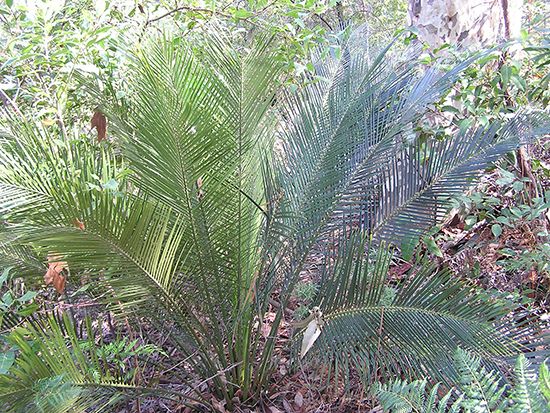
Macrozamia is a genus comprising approximately 40 species of palmlike cycads within the family Zamiaceae, native to Australia. These plants range from…
What is Macrozamia?
Macrozamia is a genus comprising approximately 40 species of palmlike cycads within the family Zamiaceae, native to Australia. These plants range from tuberous, fernlike forms to columnar trees with erect trunks and pinnate leaves.12
Key characteristics of the genus include:
- Reproduction: They are dioecious, meaning large male and female cones are produced on separate individual plants.1
- Utility and Toxicity: While the plant’s pith can serve as a source of starch, the seeds are known to be poisonous to livestock. Some forms produce edible nuts.12
- Classification: Members of the genus Lepidozamia were previously classified under Macrozamia.1
Beyond their native habitat, these plants are frequently cultivated as ornamental or conservatory specimens.1
What are cycads and how do they reproduce?
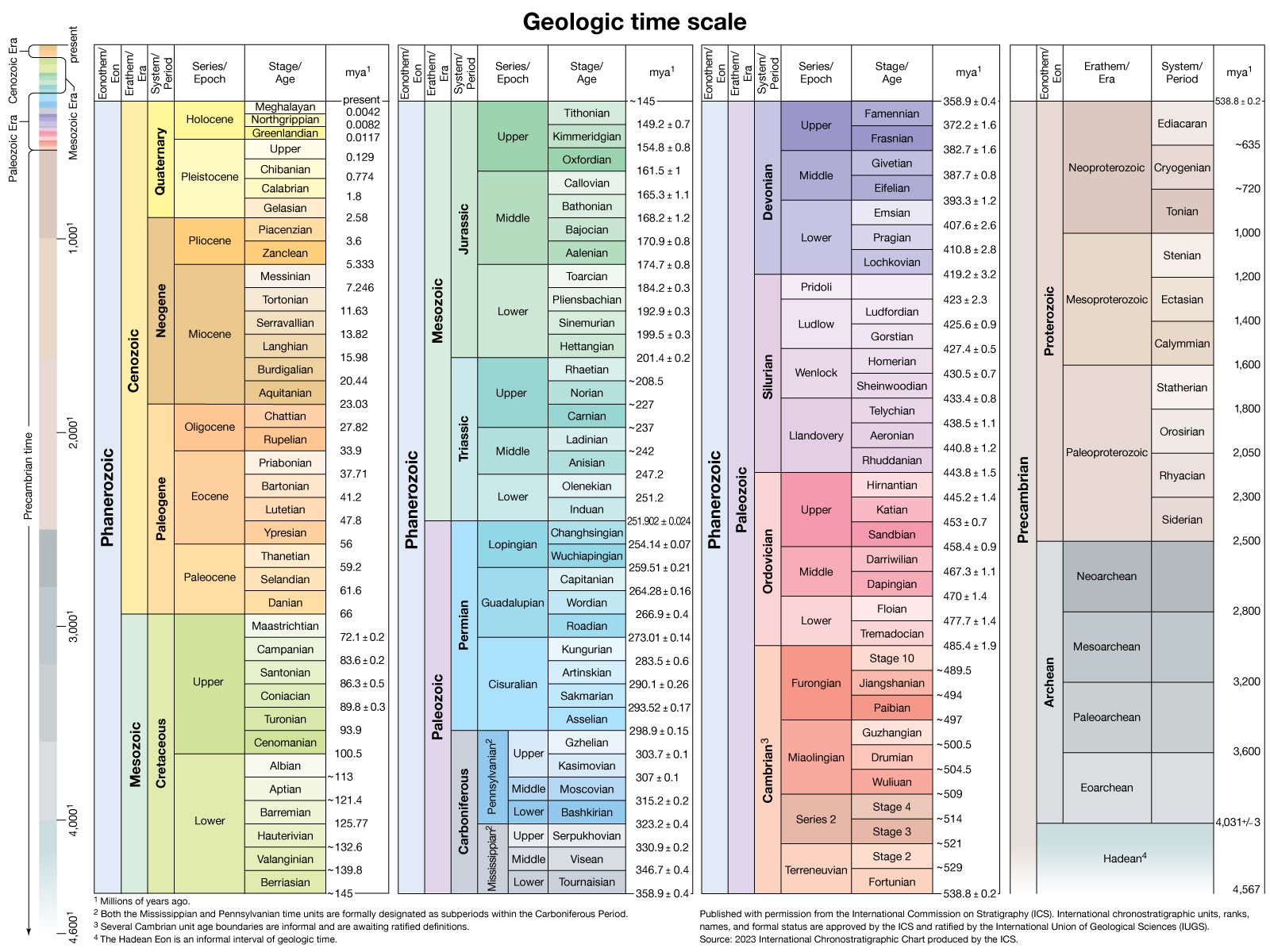
Cycads are ancient, palmlike gymnosperms that flourished during the Mesozoic Era. They are characterized by crowns of large, feathery, pinnately compound leaves and woody, cone-bearing stems.34
Reproduction
Cycads are dioecious, meaning male and female reproductive structures are produced on separate individual plants. Their reproductive process is notably slow, often taking over a year to complete.56
- Male Structures: Male plants produce microsporophylls arranged in cones. These structures bear microsporangia that release vast quantities of pollen. While once thought to be wind-pollinated, evidence suggests that insects, such as snout weevils, are essential vectors for effective pollination.75
- Female Structures: Female plants produce megasporophylls that bear ovules. Once pollen reaches the ovule, it develops into a pollen tube.
- Fertilization: Cycads produce large, multiflagellated spermatozoids that swim through the pollen tube to reach the egg within the archegonium. Following fertilization, a seed develops, which may be dispersed by animals attracted to its bright color or, in some species, by water.67
Why are some cycad seeds toxic to animals?
Cycad seeds are toxic to animals primarily due to the presence of cycasin, a naturally occurring glucoside. When ingested by mammals, this compound produces both toxic and carcinogenic effects.8
The production of such defensive chemicals is a common strategy used by plants to counter herbivory, which is the consumption of plant materials by animals. By synthesizing these harmful substances, cycads protect their reproductive tissues from being consumed by potential predators.4
How do cycads differ from palm trees?
Although cycads are often mistaken for palm trees due to their similar appearance—featuring crowns of large, feathery, pinnately compound leaves and often stout, woody trunks—they are biologically distinct plants.3610
The primary differences include:
- Classification: Cycads are gymnosperms, an ancient group of seed-bearing plants that do not produce flowers or fruit. In contrast, palms are angiosperms, or flowering plants, which produce flowers and fruit.610
- Reproduction: Cycads reproduce using cones (strobili) rather than flowers. Furthermore, cycads are dioecious, meaning male and female reproductive structures are found on separate plants, and they utilize primitive, flagellated motile sperm to achieve fertilization.61011412
- Anatomy: Cycad stems contain a large, fleshy pith surrounded by a narrow cylinder of wood, making them less dense than many other woody plants. While some cycads grow tall, they are typically shorter and slower-growing than many palm species. Additionally, cycad leaves often emerge in a circinate fashion—uncoiling like those of a fern—which is not a characteristic of palms.10311
Sources
- Macrozamia — Encyclopædia Britannica
- macrozamia — Merriam-Webster
- Did you know? — Merriam-Webster
- cycadophyte - Gametophyte phase — Encyclopædia Britannica
- cycadophyte - Sporophyte phase — Encyclopædia Britannica
- cycad — Encyclopædia Britannica
- cycadophyte - Sporophylls and strobili — Encyclopædia Britannica
- cycasin — Merriam-Webster
- Eating the rainforest — Encyclopædia Britannica
- Cycas — Encyclopædia Britannica
- gymnosperm - Cycadophyta — Encyclopædia Britannica
- cycadophyte - Cycads — Encyclopædia Britannica
Published on · 2 min read