Huon River
There are no significant dams or hydroelectric projects located on the Huon River. While Tasmania is well-known for its extensive use of hydroelectric power…
Are there any significant dams or hydroelectric projects on the Huon River?
There are no significant dams or hydroelectric projects located on the Huon River. While Tasmania is well-known for its extensive use of hydroelectric power, these developments are primarily concentrated in the River Derwent valley and other regions of central and western Tasmania where the terrain and precipitation levels are particularly suited for such infrastructure.12
The Huon River, which flows through a region historically significant for its apple industry and rural cultivation, remains free of major hydroelectric dams.3
How does the Huon River contribute to tourism and recreational activities in Tasmania?
The Huon River plays a significant role in Tasmania’s tourism sector by serving as a popular destination for those seeking an artistic retreat from urban life. Its lower valley, accessible via the Huon and Channel highways, offers a scenic landscape that draws many visitors to the region.1
The area is characterized by its rich history of cultivation, particularly the apple industry, which remains a point of interest for those exploring the valley’s rural heritage. Beyond its agricultural roots, the river’s proximity to Hobart—located only about 25 miles (40 km) away—makes it an accessible getaway for travelers looking to experience the natural beauty and tranquil environment of southern Tasmania.1
What role did the Huon River play in the timber industry during Tasmania’s early development?
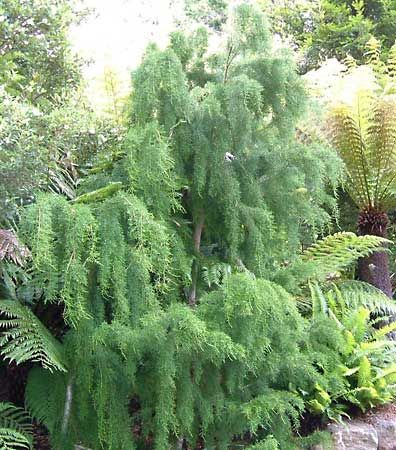
The Huon River was central to the early timber industry in Tasmania, primarily due to the abundance of the Huon pine (Lagarostrobos franklinii) along its river systems. This large, straight-trunked conifer, which takes its name from the river, provided a highly valued, aromatic, and durable wood.14
During Tasmania’s early development, the river served as a vital conduit for transporting this timber. The wood’s unique properties—including its resistance to decay and ease of workability—made it a preferred material for shipbuilding, as well as for high-quality furniture and cabinetry. While the lower Huon Valley was initially sparsely settled due to its heavily wooded and swampy terrain, the extraction of this valuable timber was a primary economic driver that preceded the region’s later transition to intensive agriculture and the famous apple industry.145
Where is the Huon River located in Tasmania, and what are its main geographical features?
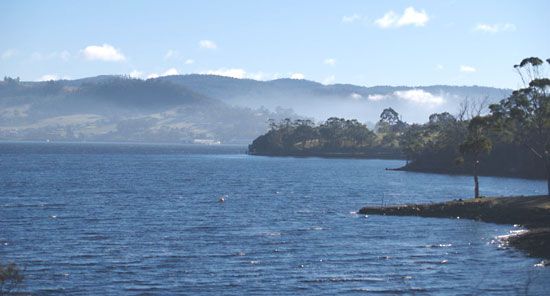
The Huon River is located in southern Tasmania, Australia. It rises on the slopes of Mounts Wedge, Bowen, and Anne, flowing south before being blocked by the Arthur Range and turning east.
Key geographical features include:
- Course: The river spans 105 miles (170 km), joined by the Weld and Picton rivers below the Huon Gorge.
- Navigation: It passes Huonville, which marks the limit of navigation, before entering a wide estuary.
- Estuary: At Geeveston, the estuary bends eastward to flow into the D’Entrecasteaux Channel.
- Terrain: Historically, the lower valley was characterized by heavily wooded and swampy terrain, which limited early settlement.
Please note that the Huon Peninsula mentioned in your context is a geographic feature associated with the Huon Gulf in Papua New Guinea, rather than the Tasmanian river valley.17
Sources
Published on · 2 min read