Hydractinia
Hydractinia is a genus of marine hydrozoan polyps belonging to the phylum Cnidaria. These colonial organisms are characterized by their specialized…
What is the evolutionary history of the Hydractinia genus?
Hydractinia is a genus of marine hydrozoan polyps belonging to the phylum Cnidaria. These colonial organisms are characterized by their specialized polyps—including feeding, reproductive, and protective forms—which grow on an encrusting layer of tissue, often found on snail shells inhabited by hermit crabs.12
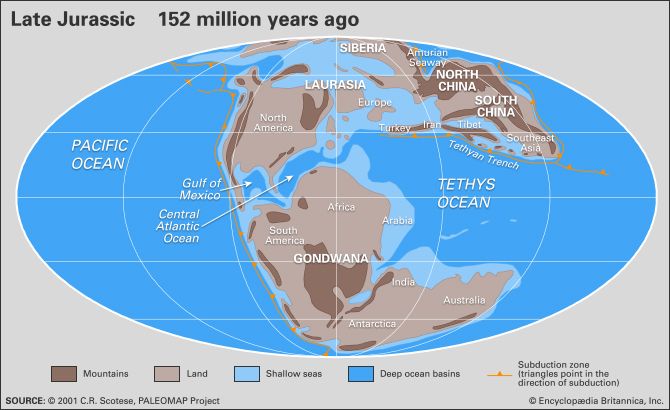
Regarding their evolutionary history, the fossil record for this genus is limited. Researchers have identified potential fossil representatives that date back to the Jurassic Period, which spanned from approximately 199.6 million to 145.5 million years ago. Unlike many other hydrozoans, Hydractinia does not possess a medusa stage in its life cycle; instead, the colony produces ciliated planula larvae directly. While they are found in shallow waters nearly worldwide today, their evolutionary lineage remains tied to these ancient, shell-encrusting ancestors.1
What makes Hydractinia interesting from a scientific research perspective?
Hydractinia is a subject of significant scientific interest due to its unique biological organization and behavioral traits. Researchers study this genus primarily for the following reasons:
Specialized Colonial Structure
Unlike many other hydrozoans, Hydractinia colonies exhibit a high degree of functional specialization. They possess distinct types of polyps that perform specific roles:
- Gastrozooids: Specialized for feeding.31
- Gonozooids: Dedicated to reproductive functions.31
- Tentaculozooids: Mouthless polyps that serve a protective function.3
Behavioral Coordination
Hydractinia displays a level of behavioral coordination that is considered unusual among hydrozoans. Under certain environmental stimuli, such as exposure to freshwater, their tentaculozooids have been observed to beat in unison, suggesting a sophisticated level of physiological integration within the colony.3
Evolutionary and Ecological Context
As colonial organisms that frequently inhabit snail shells occupied by hermit crabs, Hydractinia provides a model for studying symbiotic relationships. Furthermore, their evolutionary history, with fossil records potentially dating back to the Jurassic Period, offers insights into the long-term development of colonial marine invertebrates.3
How do Hydractinia species communicate within their colonies?
Hydractinia colonies achieve behavioral coordination through their physical structure, which allows for integrated responses across the colony. The individual polyps—including feeding, reproductive, and protective forms—are supported by a sheet of living tissue that spreads over a basal layer of coalesced tubes. This living tissue, known as the coenosarc, acts as the connective system for the colony.14
While the specific mechanisms of communication remain a subject of study, the colony demonstrates a notable degree of behavioral coordination that is unusual among hydrozoans. For instance, when exposed to certain stimuli, such as freshwater, the protective tentaculozooids have been observed to beat in unison. This suggests that the colony functions as an integrated unit rather than a mere aggregation of individual polyps, allowing for synchronized physiological or behavioral responses to environmental changes.1
What are the different types of polyps found in Hydractinia colonies?
Hydractinia colonies are characterized by a high degree of functional specialization, featuring distinct types of polyps that serve specific roles within the organism. These polyps are supported by a sheet of living tissue that spreads over a basal layer of coalesced tubes.1
The three primary types of polyps found in Hydractinia colonies are:
- Gastrozooids: These are the feeding polyps responsible for the nutrition of the colony.12
- Gonozooids: These polyps are specialized for reproductive functions.12
- Tentaculozooids: These are long, mouthless polyps that serve a protective function for the colony.12
These specialized structures allow the colony to function as an integrated unit, with some species even exhibiting unusual behavioral coordination, such as the synchronized beating of tentaculozooids in response to environmental stimuli.1
Sources
- Hydractinia — Encyclopædia Britannica
- Hydractinia — Merriam-Webster
- Regeneration - Coelenterates — Encyclopædia Britannica
- coenosarc — Merriam-Webster
- moss animal - Colonies — Encyclopædia Britannica
Published on · 3 min read