Streptelasma
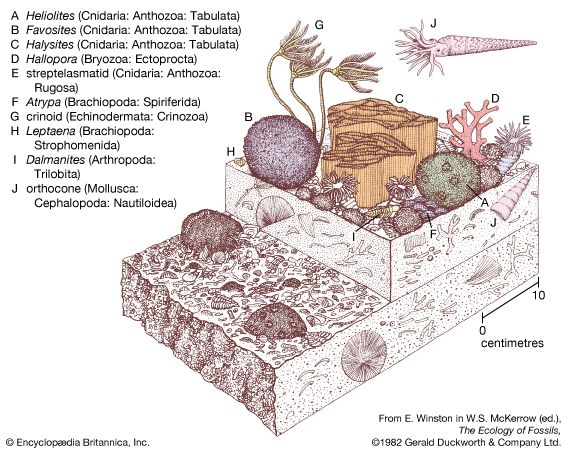
Streptelasma is an extinct genus of corals that lived as solitary individuals rather than in colonies. These organisms existed from the Ordovician to the…
What is Streptelasma?
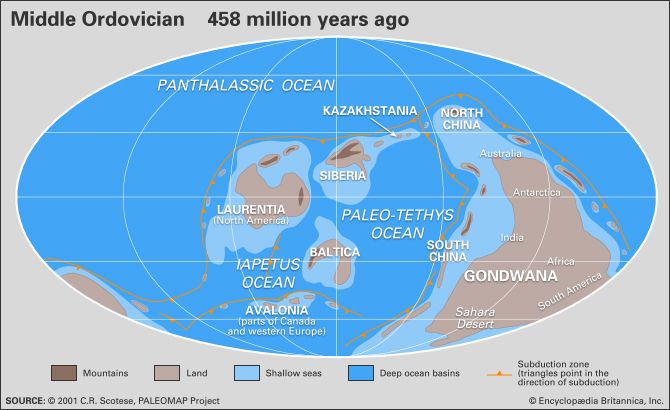
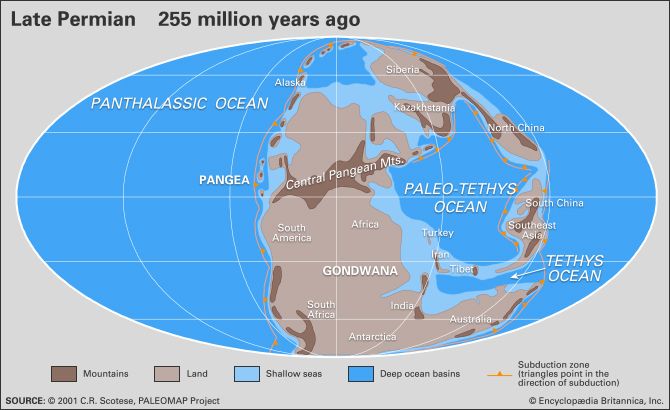
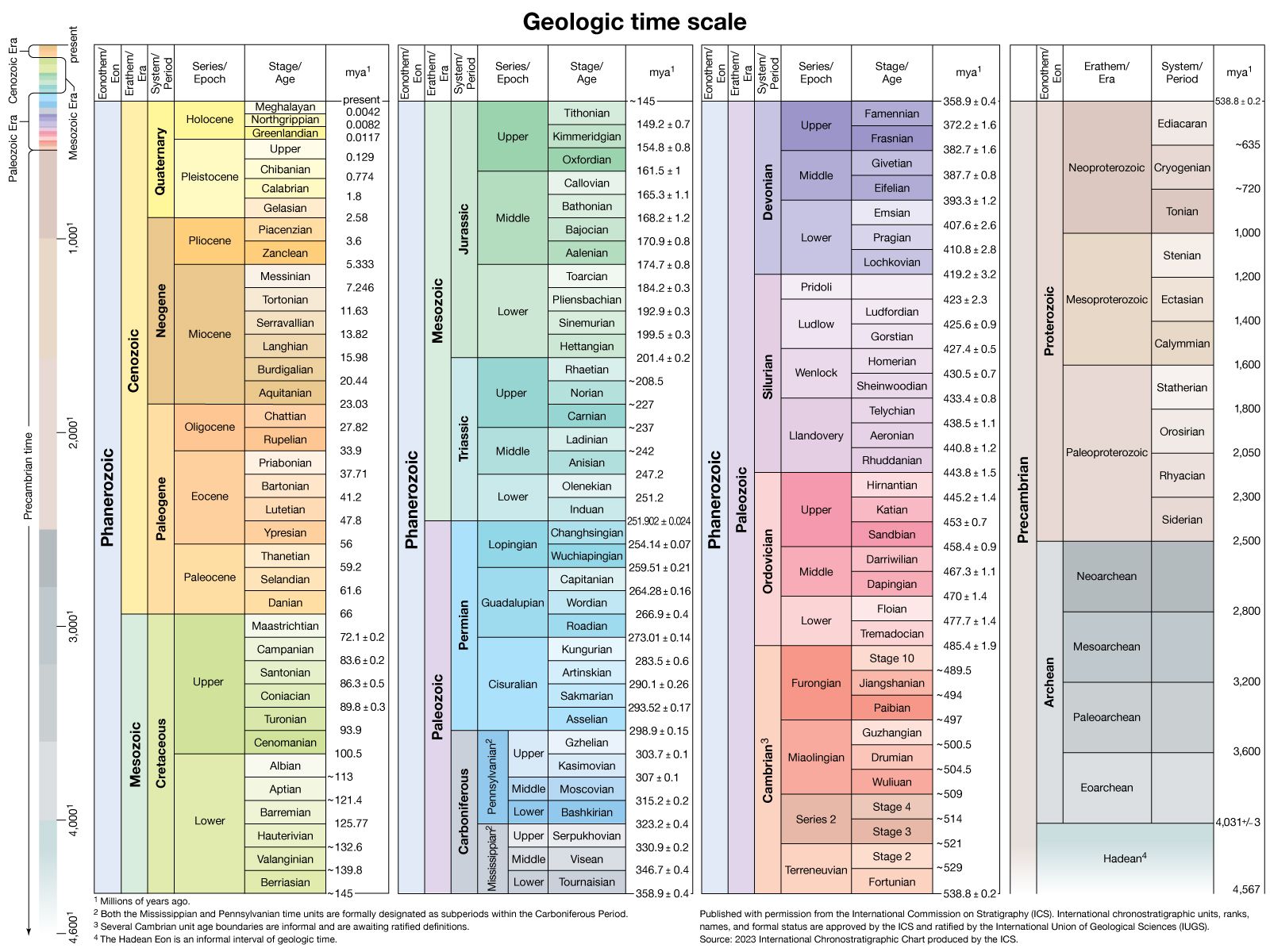
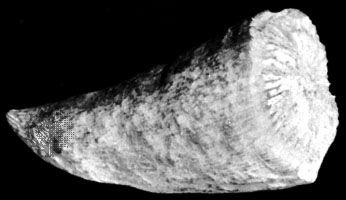
Streptelasma is an extinct genus of corals that lived as solitary individuals rather than in colonies. These organisms existed from the Ordovician to the Devonian periods, spanning approximately 488 million to 359 million years ago.1
The fossils of Streptelasma are characterized by their distinct horn-shaped appearance. Because they were solitary animals, each fossil represents a single individual, featuring a carbonate skeletal structure that was durable enough to be preserved in marine rock formations.1
What are rugose corals?
Rugose corals, commonly known as horn corals, are an extinct order of corals that first appeared during the Ordovician Period and persisted until the end of the Permian Period.2
These organisms are named for the characteristic hornlike shape of the individual skeletal structures they built. They existed in both solitary and colonial forms.2
Rugose corals are significant in the study of geologic time for two primary reasons:
- Index Fossils: Because many forms were restricted to specific time intervals, they serve as guide fossils that help geologists correlate rock units found in different geographic locations.2
- Biological Clocks: Due to their specific growth patterns, these corals have been used by scientists to estimate the length of days and years during ancient geologic eras.2
How do fossils help us understand the Ordovician period?
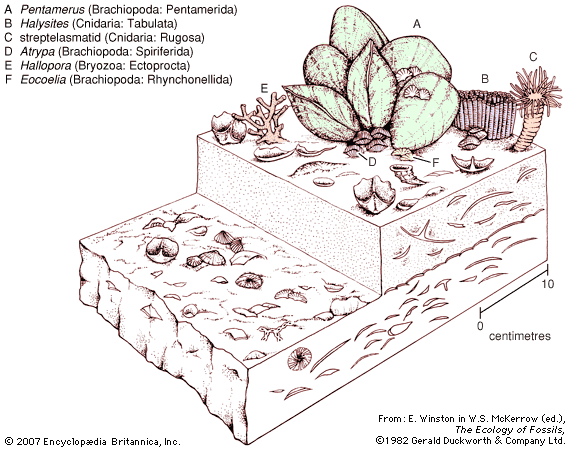
Fossils are essential tools for understanding the Ordovician Period, providing critical insights into the era’s biological evolution, environmental conditions, and geological history.
Biological Insights
The fossil record documents the “Ordovician radiation,” an intense period of diversification that saw the emergence of almost every modern marine invertebrate phylum. Fossils reveal that Ordovician seas were dominated by brachiopods, bryozoans, trilobites, mollusks, echinoderms, and graptolites. These remains also show that marine communities became increasingly complex, with organisms establishing distinct vertical tiers above the seafloor and burrowing deeper into the sediment than in previous periods.345
Geological and Environmental Correlation
Fossils serve as vital indicators for geologists:
- Correlation: Graptolites and conodonts are the most important fossils for correlating rock strata across different continents, helping scientists demonstrate age equivalence between distant geological layers.46
- Paleoclimate: The presence of specific fossils, such as coral reefs similar to those in modern tropical areas, provides evidence of the warm, high-latitude climates that characterized much of the period.7
- Extinction Events: The fossil record captures the second-largest mass extinction in Earth’s history at the end of the period, which claimed roughly 85 percent of all species.3
What is the difference between solitary and colonial corals?
The primary difference between solitary and colonial corals lies in their growth habit and social structure.
- Solitary Corals: These consist of a single, individual polyp that builds its own independent skeleton. While they can grow to significant sizes—such as some species of Fungia that reach 25 cm in diameter—they do not form interconnected groups. In modern oceans, solitary corals are often found in deeper, colder waters, such as those near Antarctica or the Falkland Islands.82
- Colonial Corals: These develop through budding, where new polyps remain attached to the original parent. Over time, these polyps grow into large, interconnected colonies held together by a continuous, rigid calcium carbonate skeleton. This habit is characteristic of most reef-building corals, which thrive in shallow, well-lit tropical waters.82
While some groups, such as stony corals, exhibit both habits, others like soft and horny corals are exclusively colonial. Extinct horn corals also displayed both solitary and colonial forms during their existence.89
Sources
- Streptelasma — Encyclopædia Britannica
- horn coral — Encyclopædia Britannica
- A Journey Through Time Since the Precambrian - Ordovician Period: 485.4 million to 443.4 million years ago — Encyclopædia Britannica
- Ordovician Period - Invertebrates — Encyclopædia Britannica
- Ordovician radiation — Encyclopædia Britannica
- Ordovician Period - Paleoclimate — Encyclopædia Britannica
- Ordovician Period - Correlation of Ordovician strata — Encyclopædia Britannica
- coral — Encyclopædia Britannica
- coral reef - Corals and other reef-building organisms — Encyclopædia Britannica
- geochronology - Coral growth — Encyclopædia Britannica
- coral reef - Tropical water conditions — Encyclopædia Britannica
Published on · 3 min read