Hydrangea
Hydrangeas are a genus of woody shrubs, which can be either erect or climbing, belonging to the family Hydrangeaceae. Native to eastern Asia and the Western…
What are the main characteristics of hydrangea plants?
Hydrangeas are a genus of woody shrubs, which can be either erect or climbing, belonging to the family Hydrangeaceae. Native to eastern Asia and the Western Hemisphere, there are approximately 23 known species.1
Key characteristics include:
- Growth Habits: They range from small shrubs, such as the hills-of-snow (about 1 metre tall), to the climbing hydrangea, which can reach 15 metres by clinging to supports with aerial rootlets.1
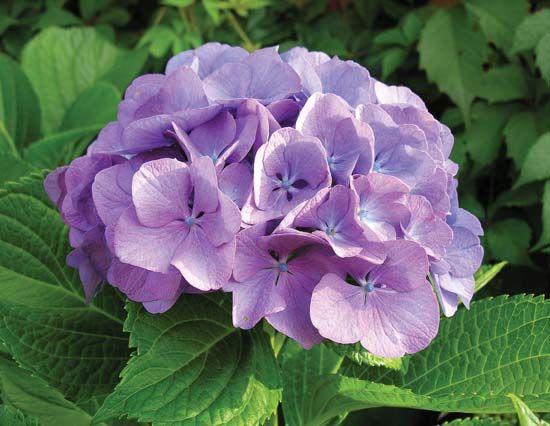
- Flowers: They are primarily cultivated for their showy, often ball-like flower clusters. These clusters vary in shape, from the globular heads of the French hydrangea to the tapering clusters of the peegee hydrangea.1
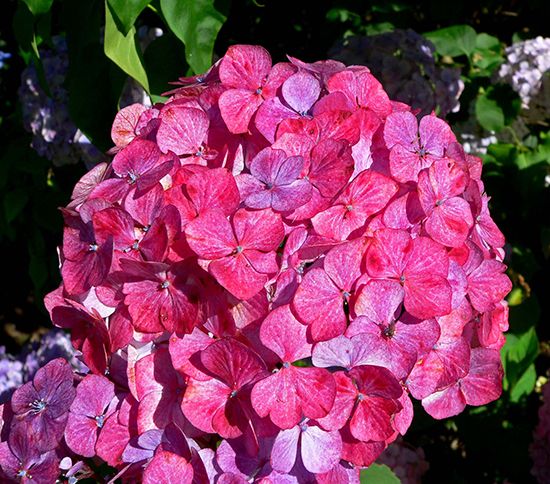
- Color Variability: In species like H. macrophylla, flower color is influenced by soil acidity. They typically bloom rose-pink in neutral to low-acidity soil and turn blue in more acidic conditions.1
- Foliage: Some varieties, such as the oakleaf hydrangea, are noted for their attractive seasonal changes, including deep wine-red fall foliage.1
What are the different species of hydrangeas and their unique features?
There are approximately 23 species within the genus Hydrangea, which are valued for their diverse growth habits and ornamental flowers. Notable species and their unique features include:1
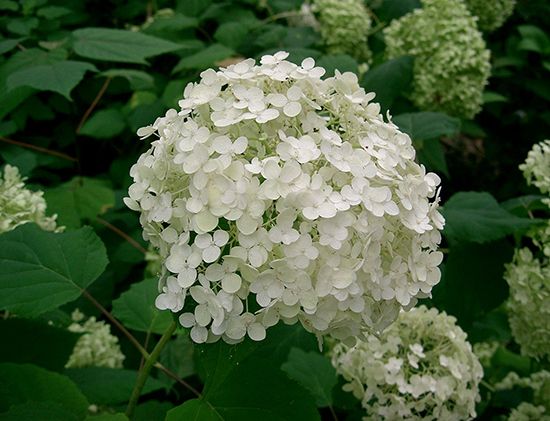
- Hills-of-snow (H. arborescens): A compact shrub typically growing just over 1 metre tall, characterized by its rounded clusters of white flowers.1
- French hydrangea (H. macrophylla): Widely cultivated for its large, globular flower clusters in shades of rose, lavender, blue, and white. Its flower color is notably dependent on soil acidity: it produces rose-pink blooms in neutral to low-acidity soil and blue blooms in more acidic conditions.1
- Peegee hydrangea (H. paniculata ‘Grandiflora’): A larger landscape shrub reaching up to 9 metres. It features tapering flower clusters that transition from white to pink and eventually to bronze.1
- Oakleaf hydrangea (H. quercifolia): Growing up to 2 metres, this species is distinguished by its white flower clusters and striking deep wine-red foliage in the autumn.1
- Climbing hydrangea (H. anomala petiolaris): A vigorous climber that can reach 15 metres by using aerial rootlets to cling to solid supports.1
How are hydrangeas used in gardens and landscaping?
Hydrangeas are highly valued as ornamental plants in gardens and landscapes due to their diverse growth habits and showy flower displays. Their utility in landscaping depends on the specific species chosen:12
- Foundation and Border Plantings: Compact species like the hills-of-snow are often used as smaller shrubs in garden beds, while the French hydrangea is widely cultivated for its large, colorful flower clusters.1
- Specimen and Focal Points: Larger varieties, such as the peegee hydrangea, can grow up to 9 metres tall, making them effective as prominent landscape features. The oakleaf hydrangea is frequently selected for its dual-season interest, providing white flowers in the growing season and deep wine-red foliage in the autumn.1
- Vertical Landscaping: The climbing hydrangea is uniquely suited for covering walls, fences, or other structures, as it can reach heights of 15 metres by using aerial rootlets to cling to solid supports.1
- Greenhouse and Seasonal Use: Certain varieties are forced in greenhouses for holiday use as florist’s hydrangeas.1
What are some popular hydrangea cultivars and their unique characteristics?
Popular hydrangea cultivars are prized for their distinct growth habits and ornamental displays. While the genus Hydrangea includes about 23 species, several are particularly favored in landscaping for their unique characteristics:1
- Hills-of-snow (H. arborescens): A compact shrub reaching just over 1 metre in height, recognized for its rounded, white flower clusters.1
- French hydrangea (H. macrophylla): Often referred to as the florist’s hydrangea, this species is widely cultivated for its large, globular blooms. Its color is notably sensitive to soil chemistry: flowers appear rose-pink in neutral to low-acidity soil and shift to blue in more acidic conditions.1
- Peegee hydrangea (H. paniculata ‘Grandiflora’): A significant landscape shrub that can grow up to 9 metres tall. It features tapering flower clusters that evolve in color from white to pink and eventually to bronze.1
- Oakleaf hydrangea (H. quercifolia): Growing up to 2 metres, this cultivar is valued for its white flowers and its deep wine-red foliage during the autumn.1
- Climbing hydrangea (H. anomala petiolaris): A vigorous climber capable of reaching 15 metres by utilizing aerial rootlets to cling to solid supports.1
Sources
- hydrangea — Encyclopædia Britannica
- Hydrangeaceae — Encyclopædia Britannica
Published on · 3 min read