Hydrangeaceae
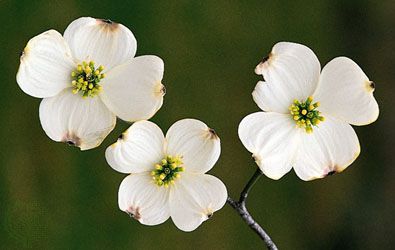
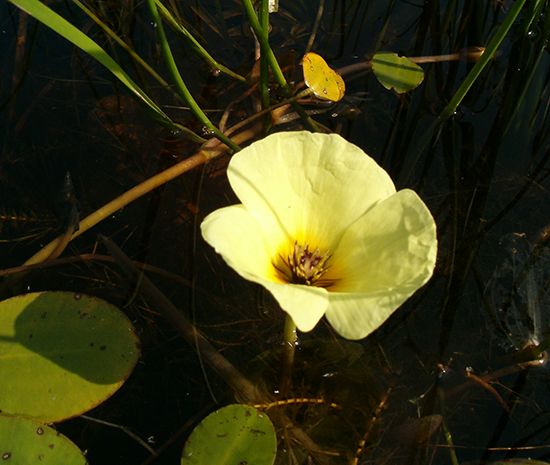
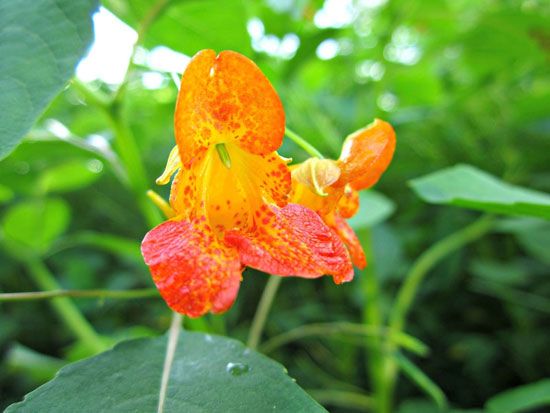
Hydrangeaceae is a family of flowering plants within the order Cornales. This family consists of approximately 19 genera and 260 species, which include a…
What is Hydrangeaceae?
Hydrangeaceae is a family of flowering plants within the order Cornales. This family consists of approximately 19 genera and 260 species, which include a variety of woody ornamental trees, shrubs, vines, and herbs. These plants are primarily native to tropical, subtropical, and north temperate regions.1
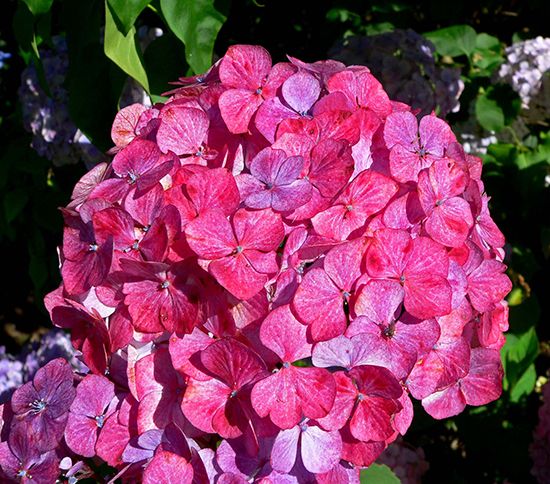
Well-known garden ornamentals within this family include the genera Deutzia, Philadelphus (commonly known as mock orange or sweet syringa), and Hydrangea. The genus Hydrangea is particularly noted for its showy, often ball-shaped flower clusters. Interestingly, the flower color of certain species, such as the French hydrangea, can change based on the acidity of the soil; they tend to be rose-pink in neutral or low-acidity soil and blue in more acidic conditions. Other notable members of the family include Carpenteria, Jamesia, and the climbing Schizophragma.12
How does soil acidity change the color of hydrangea flowers?
The color change in certain hydrangea flowers is primarily driven by the availability of aluminum in the soil, which is directly influenced by soil pH.
In acidic soils (pH lower than 7), aluminum becomes more soluble and is more easily absorbed by the plant. When the plant takes up this aluminum, it reacts with pigments in the flowers to produce blue hues. Conversely, in neutral or alkaline soils (pH 7 or higher), aluminum is less soluble and less available to the plant, causing the flowers to appear pink or rose-colored.
While soil acidity is a critical factor in this process, it is important to note that not all hydrangea species exhibit this color-changing trait; it is most characteristic of Hydrangea macrophylla (the French hydrangea). Gardeners often manage these colors by adjusting soil pH—for instance, by adding lime to increase alkalinity or using specific fertilizers to increase acidity—to influence the uptake of these minerals.
What are some other common garden plants in the Hydrangeaceae family?
Beyond the well-known Hydrangea genus, the Hydrangeaceae family includes several other popular garden ornamentals. These plants are frequently utilized in landscaping for their aesthetic appeal and fragrant blooms.
Key garden plants in this family include:
- Philadelphus: Commonly known as mock orange or sweet syringa, this genus of deciduous shrubs is prized for its fragrant, white, orange-blossom-scented flowers that bloom in late spring.145
- Deutzia: These shrubs are widely planted in garden borders and are valued for the abundant white flowers they produce during the late spring season.15
- Other Ornamental Genera: The family also encompasses a variety of other genera often found in horticultural collections, including Cardiandra, Carpenteria, Decumaria, Dichroa, Jamesia, Kirengeshoma, Pileostegia, Platycrater, Schizophragma, and Whipplea.1
These plants generally thrive in similar temperate conditions and are favored by gardeners for their versatility as shrubs, vines, or small trees.15
What is the difference between woody shrubs and herbaceous plants?
The primary distinction between woody shrubs and herbaceous plants lies in their internal structure and growth patterns.
Woody Shrubs
Woody plants, including shrubs, are characterized by the development of secondary tissues that provide structural rigidity. Their stems contain a significant amount of xylem—the water-conducting tissue—which forms a hard, cylinder-like structure. As these plants grow, they develop an outer layer of dead, thick-walled cork cells that, along with the underlying phloem, form bark. Shrubs are typically defined as woody plants with several stems and no single dominant trunk, usually reaching heights under 3 meters (10 feet).678
Herbaceous Plants
Herbaceous plants lack these true woody tissues. They typically possess flexible, green stems and do not form bark. While woody plants rely on secondary growth to increase in diameter, most herbaceous plants undergo little or no such growth. Instead, they often persist through unfavorable seasons by dying back to the ground, surviving via underground storage organs like rhizomes, bulbs, corms, or tubers6.976
While these categories are generally distinct, some plants are considered “semiwoody” if they undergo enough secondary growth to blur the classification, such as lavender.9
Sources
- Hydrangeaceae — Encyclopædia Britannica
- hydrangea — Encyclopædia Britannica
- pH — Encyclopædia Britannica
- Philadelphus — Encyclopædia Britannica
- Cornales — Encyclopædia Britannica
- plant - Stems — Encyclopædia Britannica
- herbaceous plant — Encyclopædia Britannica
- shrub — Encyclopædia Britannica
- gardening - Shrubs and vines (climbers) — Encyclopædia Britannica
- angiosperm - General features — Encyclopædia Britannica
Published on · 3 min read