Goatsbeard
The term "goatsbeard" refers to several different organisms, which can lead to confusion. It is most commonly used to describe the following:
What is Goatsbeard?
The term “goatsbeard” refers to several different organisms, which can lead to confusion. It is most commonly used to describe the following:
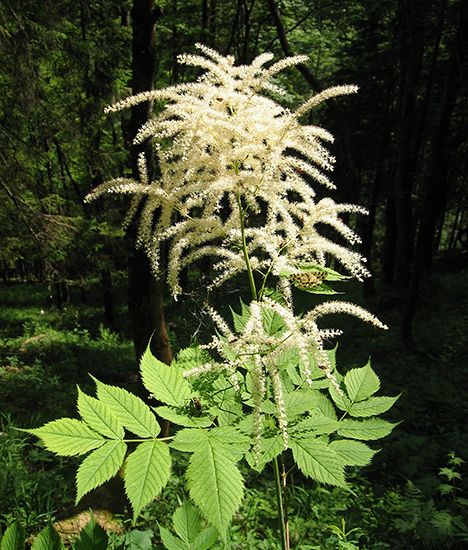
- Aruncus dioicus: A herbaceous perennial plant in the rose family (Rosaceae). Native to the north temperate zone, it is often found in mountainous woodlands and is popular as a garden border plant. It can grow up to 1.8 meters (6 feet) tall and features distinctive, featherlike spikes of small white flowers.1
- Tragopogon: A genus of plants that also carries the common name goatsbeard.2
- Fungi: The name is also applied to certain fungi within the genus Clavaria.2
Because the name is shared across distinct biological groups, it is helpful to specify the scientific name when discussing the plant or fungus in question.
What are the characteristics of the rose family?
The Rosaceae family, commonly known as the rose family, is a diverse group of flowering plants comprising approximately 2,500 species across more than 90 genera. Primarily found in the north temperate zone, these plants exhibit a wide range of characteristics.3
Physical Characteristics
- Growth Habit: Most members are woody plants, typically shrubs or small to medium-sized trees. Some species are armed with thorns, spines, or prickles for protection against herbivores. While many are woody, the family also includes herbaceous perennials, such as strawberries and goatsbeard.3
- Leaves: Leaves are generally alternate, and small structures called stipules are typically present at the base of the leaf stalks.3
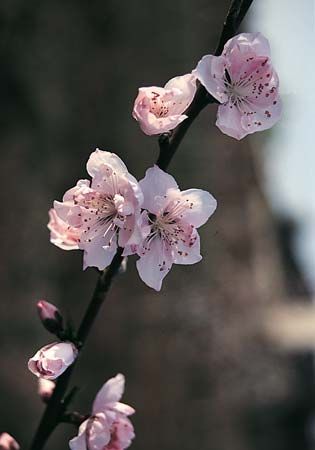
- Flowers: The flowers are bisexual and radially symmetric, often featuring parts in multiples of four or five. They are usually flat or shallowly cup-shaped, with free petals and sepals. Many species possess a hypanthium, a floral cup from which the petals, sepals, and stamens arise.3
Economic and Ecological Importance
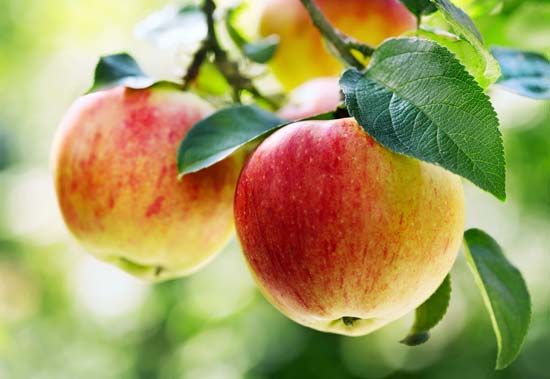
The family is highly significant for its edible fruits, including apples, pears, cherries, plums, raspberries, and almonds. Additionally, many species are cultivated as ornamentals, most notably the rose. Ecologically, their fruits serve as essential food sources for wildlife, while their dense, thorny growth provides vital cover for animals.34
How do dioecious plants reproduce?
Dioecious plants reproduce by separating male and female reproductive structures onto different individual plants. In this system, some individuals produce only staminate (male) flowers, which generate pollen, while others produce only pistillate (female) flowers, which contain ovaries and eggs.789
Because a single plant cannot fertilize itself, this strategy necessitates cross-pollination, where pollen is transferred from a male plant to a female plant. This movement is typically facilitated by external agents such as the wind or symbiotic animals, including bees, birds, and bats, which carry pollen while moving between plants.79
By ensuring that offspring are the result of genetic material from two distinct parents, dioecious plants promote genetic outcrossing and variability, which can be advantageous for survival in changing environments. Examples of dioecious species include willows, date palms, ginkgo, and cannabis.798
What are some other examples of perennial plants?
Perennial plants are those that persist for several years, often regrowing from specialized underground structures or maintaining woody stems from one season to the next. Beyond the common examples previously mentioned, here are several other types of perennials:1011
Herbaceous Perennials
These plants typically have nonwoody stems that may die back in autumn, surviving the winter through roots or modified stems like bulbs and rhizomes. Popular examples include:10
- Flowers: Bellflowers, chrysanthemums, columbines, dahlias, larkspurs, hollyhocks, phlox, pinks, poppies, primroses, and speedwells.1012
Woody Perennials
These include trees and shrubs that maintain their structure year-round.10
- Shrubs: Lilac, privet, spirea, honeysuckle, forsythia, mock orange, hydrangea, azaleas, and rhododendrons.13
- Climbers: Ivies, trumpet creeper, clematis, and wisteria13.
Agricultural Perennials
Many food crops are also perennials, providing harvests over multiple years:10
Sources
- goatsbeard — Merriam-Webster
- goatsbeard — Encyclopædia Britannica
- Rosaceae — Encyclopædia Britannica
- Rosales - Fruit species — Encyclopædia Britannica
- Rosales — Encyclopædia Britannica
- rose — Encyclopædia Britannica
- Do Plants Have Sexes? — Encyclopædia Britannica
- Pollination - Structural — Encyclopædia Britannica
- Cross-pollination — Encyclopædia Britannica
- Perennial — Encyclopædia Britannica
- Is That Plant 'Perennial' or 'Annual'? — Merriam-Webster
- horticulture - Herbaceous perennials — Encyclopædia Britannica
- gardening - Shrubs and vines (climbers) — Encyclopædia Britannica
Published on · 3 min read