Hydrocleys
Hydrocleys is a genus of perennial aquatic plants belonging to the family Alismataceae. Native to tropical America, this genus comprises five species of…
What is Hydrocleys?
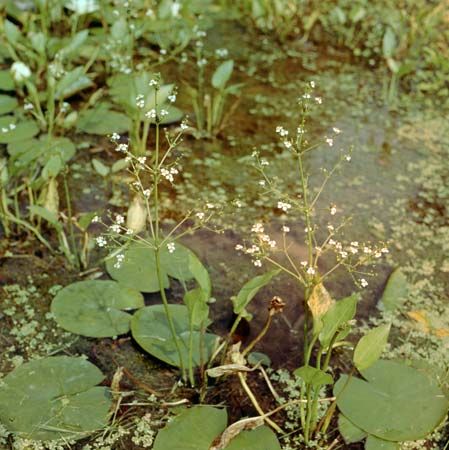
Hydrocleys is a genus of perennial aquatic plants belonging to the family Alismataceae. Native to tropical America, this genus comprises five species of herbaceous plants that feature floating, emergent, or submersed leaves.1
These plants typically reproduce asexually through the use of stolons or small offshoots known as plantlets. They are characterized by radially symmetric, showy flowers that develop into follicular fruits—dry fruits that split open along one side.1
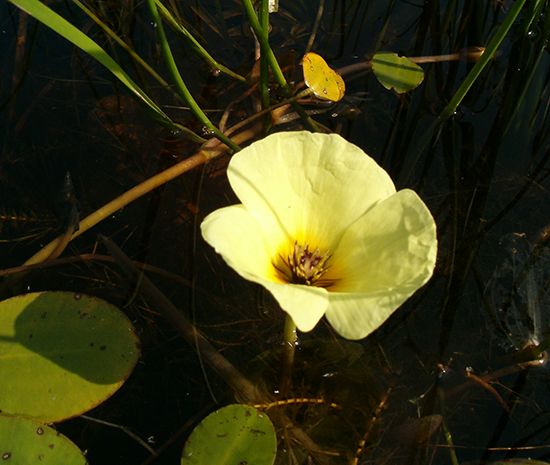
The most well-known member of the genus is the water poppy (Hydrocleys nymphoides). It is the only species commonly cultivated and is frequently used in aquariums and ponds due to its attractive yellow flowers, which measure approximately 5 cm (2 inches) across. While some older classifications may place the genus within the family Butomaceae or Limnocharitaceae, it is currently recognized within Alismataceae.12
What are the main differences between aquatic and terrestrial plants?
The primary differences between aquatic and terrestrial plants stem from the distinct environmental challenges posed by water versus air. These differences are largely reflected in their structural, physiological, and reproductive adaptations.34
Structural and Support Adaptations
- Buoyancy vs. Rigidity: Aquatic plants are supported by the buoyancy of water, which eliminates the need for rigid stems. In contrast, terrestrial plants require a self-supporting structure, primarily provided by xylem—a tissue composed of rigid, lignified tubes that also conduct water and minerals.4
- Vascular Tissue: Because aquatic environments provide easy access to water and nutrients across the entire plant body, many aquatic species have reduced vascular systems. Terrestrial plants, however, rely on highly developed vascular tissue to transport water from the soil to aerial parts and carbohydrates from leaves to the rest of the plant.54
Environmental Interaction
- Water Loss and Gas Exchange: Terrestrial plants are covered by a waxy cuticle to prevent desiccation in dry air, utilizing stomata for gas exchange. Aquatic plants often lack these features or possess modifications like intercellular air spaces to facilitate aeration and buoyancy.564
- Root Systems: While roots in terrestrial plants are essential for anchoring and absorbing water and minerals from soil, aquatic plants may have reduced root systems, as they can often absorb nutrients directly from the surrounding water.563
Evolutionary Context
Land plants evolved from aquatic ancestors. The transition to land required the development of complex morphological features—such as roots, stems, and leaves—to exploit environments where water was not immediately available. While some plants have returned to aquatic habitats during their evolution, they often exhibit “readapted” traits, such as non-woody stems and reduced xylem, reflecting their shift away from the structural demands of terrestrial life.34
How do stolons help aquatic plants reproduce?
Stolons, often referred to as runners, are specialized horizontal stems that facilitate asexual reproduction in many aquatic plants, such as those in the Hydrocharitaceae family.1314
In aquatic environments, these slender stems grow horizontally from the parent plant, allowing it to spread across the water or substrate. At specific points along the stolon known as nodes, the plant can develop roots and new aerial or vertical branches. This process enables the plant to produce new, genetically identical individuals—or clones—without the need for sexual reproduction involving gametes. By extending these runners, aquatic plants can effectively colonize new areas of their habitat, ensuring the survival and expansion of the population.13141516
What are some other common plants found in ponds and aquariums?
Several aquatic plants are commonly utilized in both ponds and aquariums due to their aesthetic appeal and their ability to contribute to the health of aquatic systems through oxygen production and nutrient cycling.171819
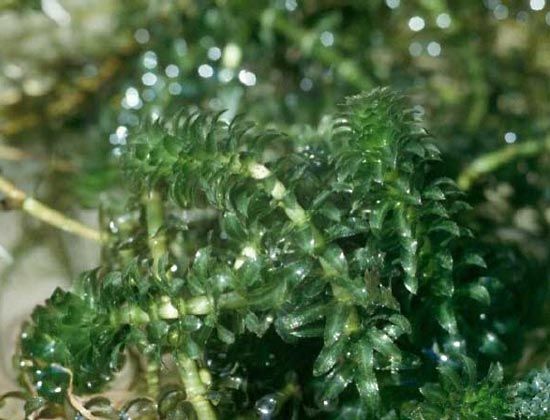
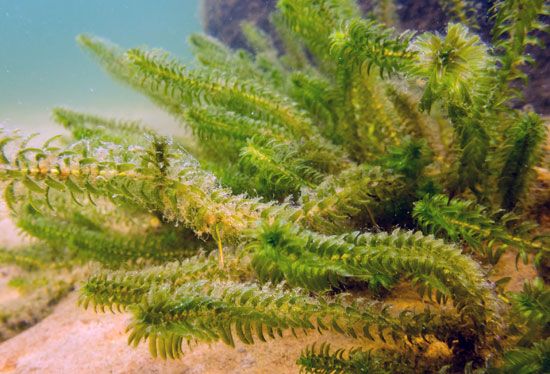
- Elodea: This genus of submerged plants is highly valued in aquariums and laboratory settings for demonstrating cellular activities like photosynthesis. Species such as Canadian waterweed (Elodea canadensis) and Brazilian elodea (Egeria densa) are popular for their rapid growth and oxygen-producing capabilities.18
- Pondweeds: Members of the families Potamogetonaceae and Aponogetonaceae are frequently grown in ponds and aquariums. Examples include Potamogeton crispus (curly pondweed) and Potamogeton densus (frog’s lettuce).17
- Pondgrass: Also known as Potamogeton pectinatus, this submerged herb is common in Europe and North America and is characterized by its fine, threadlike leaves.20
- Cape Pondweed: Also called water hawthorn (Aponogeton distachyos), this plant is native to South Africa and is often cultivated as an ornamental in pools and greenhouses.17
These plants are essential for maintaining a balanced environment, as they consume carbon dioxide and release oxygen, while simultaneously utilizing fish waste as fertilizer.1819
Sources
- Hydrocleys — Encyclopædia Britannica
- Hydrocleis — Merriam-Webster
- plant - Definition of the category — Encyclopædia Britannica
- phylogeny - Evolution of land plants — Encyclopædia Britannica
- tree - Tree roots — Encyclopædia Britannica
- tree - Tree structure and growth — Encyclopædia Britannica
- angiosperm - Evolution of the transport process — Encyclopædia Britannica
- root — Encyclopædia Britannica
- angiosperm - Process of xylem transport — Encyclopædia Britannica
- Inland water ecosystem - Biota of inland waters — Encyclopædia Britannica
- Respiratory system - Amphibians — Encyclopædia Britannica
- Respiratory system - The gases in the environment — Encyclopædia Britannica
- stolon — Encyclopædia Britannica
- Hydrocharitaceae — Encyclopædia Britannica
- plant reproductive system - Reproduction by special asexual structures — Encyclopædia Britannica
- vegetative reproduction — Encyclopædia Britannica
- pondweed — Encyclopædia Britannica
- pondgrass — Merriam-Webster
- Elodea — Encyclopædia Britannica
- aquarium - Design and architecture — Encyclopædia Britannica
Published on · 3 min read