Hydrilla
Hydrilla (Hydrilla verticillata) is a submerged, fast-growing aquatic plant belonging to the Hydrocharitaceae family. It is a hardy perennial characterized…
What is hydrilla and where is it typically found?
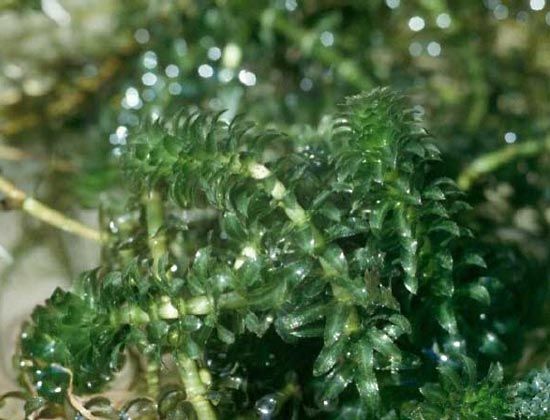
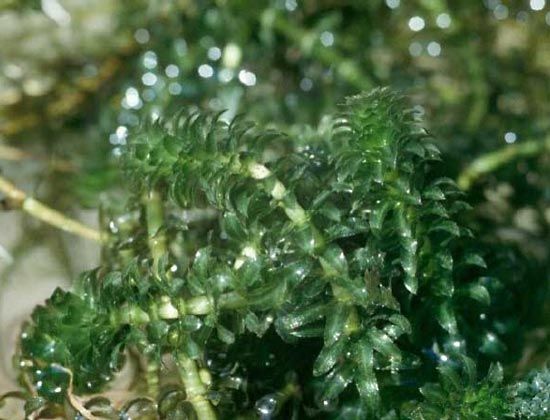
Hydrilla (Hydrilla verticillata) is a submerged, fast-growing aquatic plant belonging to the Hydrocharitaceae family. It is a hardy perennial characterized by long, slender stems that can reach up to 7 meters (23 feet) in length, with small, toothed leaves arranged in whorls.12
While it is believed to be native to Africa, Europe, or Asia, it has naturalized in lakes and streams globally. Since its introduction to North America in the 1950s, it has become a significant invasive weed. Its dense, tangled vegetation can clog water infrastructure and negatively impact local biodiversity1. The plant is highly resilient, reproducing primarily through asexual means such as stem fragments, rhizomes, stolons, and turions.12
How does hydrilla reproduce and spread in aquatic environments?
Hydrilla reproduces through both sexual and asexual methods, though it relies primarily on asexual propagation to spread rapidly in aquatic environments.1
Sexual Reproduction
Hydrilla plants can be monoecious, bearing both male and female flowers, or dioecious, bearing only one type. During sexual reproduction, tiny male flowers are released from the plant and drift through the water until they come into contact with and fertilize female flowers.1
Asexual Reproduction
The plant’s aggressive spread is largely driven by its ability to reproduce vegetatively. It utilizes several specialized structures to colonize new areas:
- Stem fragments: Small pieces of the plant can break off, drift to new locations, and take root to form new colonies.1
- Rhizomes and Stolons: These underground and creeping stems allow the plant to expand its footprint along the bottom of water bodies.1
- Turions: These are budlike vegetative propagules that can remain dormant and later sprout, ensuring the plant’s survival and dispersal even under harsh conditions.1
This combination of reproductive strategies allows hydrilla to form dense, tangled carpets that can easily clog water infrastructure and disrupt local ecosystems.1
How is hydrilla different from other aquatic plants, and why is it considered invasive?
Hydrilla (Hydrilla verticillata) distinguishes itself from many other aquatic plants through its exceptional hardiness and rapid growth rate, with stems capable of reaching 7 meters (23 feet) in length. Unlike many native species, it features a highly efficient, multi-faceted reproductive system that utilizes both sexual and asexual methods—including stem fragments, rhizomes, stolons, and turions—to colonize new areas aggressively. Its leaves, which grow in whorls of three to eight, are distinctly toothed, and the plant is known for becoming heavily branched near the water surface.12
Hydrilla is considered invasive because it forms vast, dense carpets of tangled vegetation that outcompete native flora and significantly reduce biodiversity. This unchecked growth poses serious practical threats, as the vegetation frequently clogs the intake valves of power plants and water infrastructure, causing significant operational disruptions. Its ability to thrive in diverse freshwater environments has allowed it to naturalize globally since its introduction to North America in the 1950s.1
How did hydrilla spread globally, and in which countries is it considered a major problem?
While the exact origin of Hydrilla verticillata remains uncertain, it is believed to be native to parts of Africa or Europe. From these regions, it has naturalized in lakes and streams across the globe, largely facilitated by human activity and its highly efficient reproductive mechanisms.1
The plant was introduced to North America in the 1950s, where it has since become a significant aquatic weed. While the provided information identifies North America as a primary location where hydrilla is considered a troublesome invasive species due to its impact on biodiversity and its tendency to clog water infrastructure and power plant intake valves, the current knowledge base does not provide a comprehensive list of every country where it is currently classified as a major problem.1
Sources
- hydrilla — Encyclopædia Britannica
- hydrilla — Merriam-Webster
Published on · 3 min read