Water Milfoil
Water milfoil (genus Myriophyllum) refers to a group of approximately 45 species of submerged freshwater flowering plants belonging to the family…
What is water milfoil?
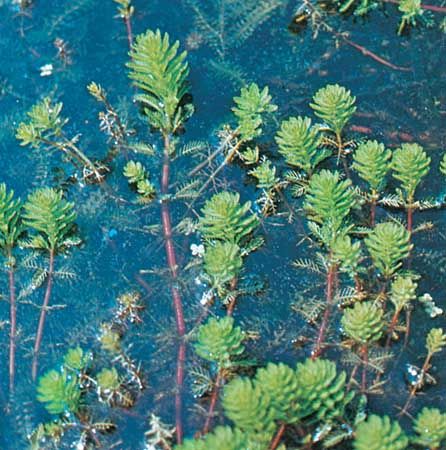
Water milfoil (genus Myriophyllum) refers to a group of approximately 45 species of submerged freshwater flowering plants belonging to the family Haloragaceae. These aquatic herbs are characterized by their whorls of finely pinnate, feathery leaves and small, wind-pollinated flowers that typically emerge above the water’s surface.12
These plants are capable of reproducing both sexually and asexually through fragmentation. While some species, such as the parrot’s feather (M. aquaticum) and the red water milfoil (M. tuberculatum), are popular in aquariums and garden pools, others can become problematic. Notably, the Eurasian water milfoil (M. spicatum) is recognized as an invasive species in North America and various other regions outside its native habitat, where it can disrupt local ecosystems.1
How do invasive species impact local aquatic ecosystems?
Invasive species significantly modify or disrupt the ecosystems they colonize, often leading to reduced biodiversity and the localized extinction of native species. These organisms frequently thrive because they possess competitive advantages, such as a lack of natural predators in their new environment.3
The impacts on aquatic ecosystems are diverse and severe:
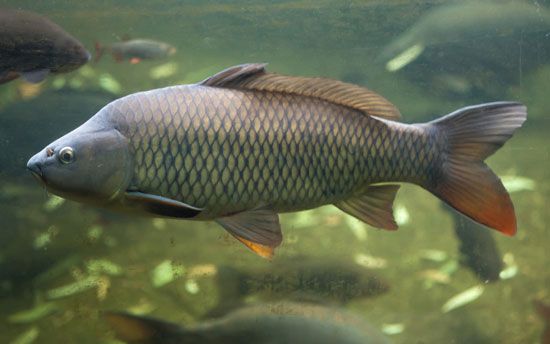
- Resource Competition: Invasive species may outcompete native organisms for food, living space, and other essential resources. For example, bighead and silver carp threaten to disturb the ecological dynamics of the Great Lakes through the overconsumption of plankton.31
- Habitat Alteration: Invasive plants can drastically change the physical environment. Eurasian water milfoil can disrupt native ecosystems, while other invasive plants may form vast, unpalatable thickets that displace native vegetation.45
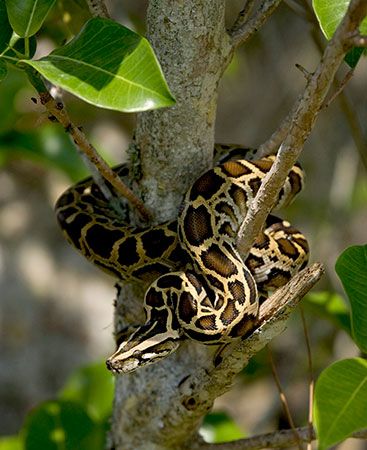
- Predation and Population Decline: Invasive predators can decimate native populations. In the Florida Everglades, the Burmese python has significantly reduced mammal populations.53
- Disease Transmission: Invasive species can act as vectors, spreading parasites and pathogens that further destabilize the environment.3
We could dive deeper into the specific management strategies, such as electric barriers or chemical treatments, used to control these populations.
What are some other common invasive aquatic plants?
Several aquatic plants have become invasive, causing significant disruption to native ecosystems and human infrastructure. Some of the most common include:
- Water hyacinth (Eichhornia crassipes): A floating herb native to tropical America, it reproduces rapidly and often clogs slow-flowing streams and waterways, hindering navigation and water flow.67
- Hydrilla (Hydrilla verticillata): A hardy, fast-growing submerged perennial that forms vast, tangled carpets. These mats can clog the intake valves of power plants and water installations while significantly reducing local biodiversity.8
- Purple loosestrife (Lythrum salicaria): Introduced to North America from Eurasia, this plant forms dense colonies on riverbanks and in ditches, effectively crowding out native wetland vegetation that provides essential food and habitat for wildlife.9
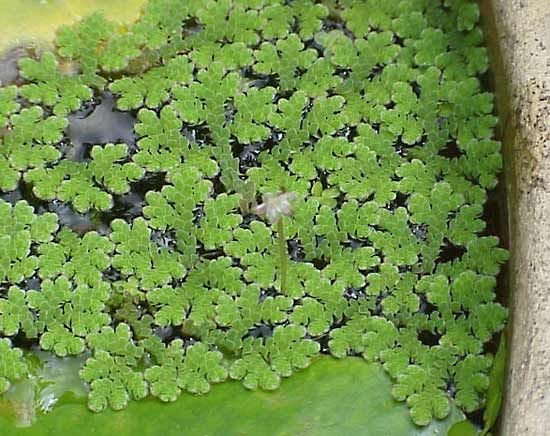
- Salvinia (Salvinia molesta): While some species are used decoratively, this aggressive fern has escaped cultivation in many areas, becoming a noxious weed that blankets lakes and waterways.10
How do submerged plants contribute to water oxygen levels?
Submerged plants contribute to water oxygen levels primarily through the process of photosynthesis. During this biological process, plants and other vegetation, such as algae, utilize carbon dioxide as a feedstock to produce organic compounds necessary for their growth and repair. As a byproduct of this chemical reaction, these organisms release oxygen directly into their surrounding environment, which in aquatic settings helps to oxygenate the water.12
Sources
- water milfoil — Encyclopædia Britannica
- water milfoil — Merriam-Webster
- Asian carp — Encyclopædia Britannica
- Wetland - Disturbances caused by humans — Encyclopædia Britannica
- invasive species — Encyclopædia Britannica
- water hyacinth — Encyclopædia Britannica
- hydrilla — Encyclopædia Britannica
- loosestrife — Encyclopædia Britannica
- water hyacinth — Merriam-Webster
- pickerelweed — Encyclopædia Britannica
- Salviniales — Encyclopædia Britannica
- decarbonization - Natural carbon removal — Encyclopædia Britannica
Published on · 2 min read