Saint-John’s-wort
Saint-John’s-wort refers to any of nearly 500 species of herbs or low shrubs within the genus Hypericum. These plants are characterized by simple…
What is Saint-John’s-wort?
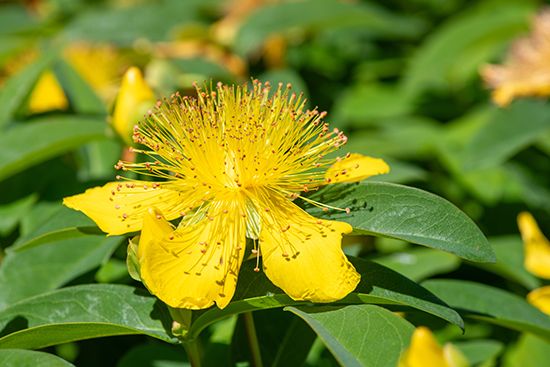
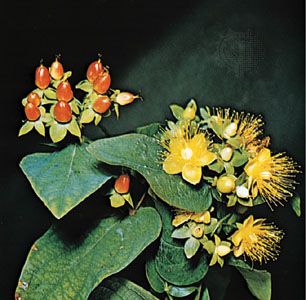
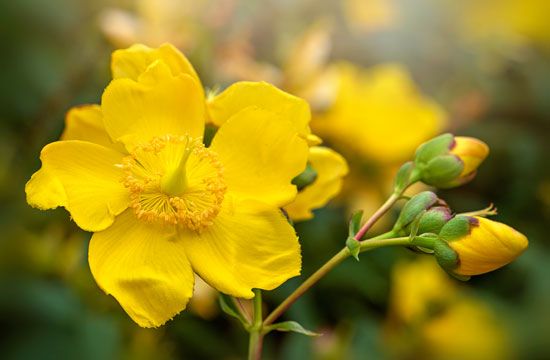
Saint-John’s-wort refers to any of nearly 500 species of herbs or low shrubs within the genus Hypericum. These plants are characterized by simple, gland-dotted leaves and showy, five-petalled yellow flowers. The name originates from the tradition that these plants bloom around June 24, the feast day of St. John the Baptist, with “wort” being an Old English term for a plant.12
The most notable species, Hypericum perforatum, is widely recognized for its use in herbal medicine as a treatment for depression. While it has therapeutic applications, it is also considered a noxious invasive species in many parts of the world, as it is poisonous to grazing animals and can cause severe health issues, including photosensitization. Other species, such as creeping Saint-John’s-wort, are cultivated primarily as ornamental plants for their attractive appearance.21
Why is Saint-John’s-wort considered an invasive species in some regions?
Hypericum perforatum, commonly known as Saint-John’s-wort, is considered a noxious invasive species in regions such as southern Australia, South Africa, and the Americas due to its aggressive growth habits and negative impact on agriculture.2
The plant’s status as a pest is driven by several factors:
- Reproductive Efficiency: It spreads asexually through creeping rhizomes and produces seeds that can persist in the soil seed bank for many years, making it difficult to eradicate.2
- Toxicity: The plant is poisonous to grazing animals. Ingestion can lead to severe health complications, including photosensitization, behavioral changes, spontaneous abortion, and death.2
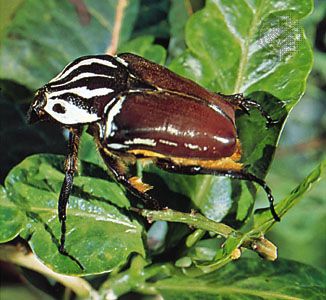
- Displacement: By invading rangelands, it reduces the available area for livestock grazing, necessitating biological control efforts—such as the introduction of specific beetle species—to reclaim land and manage its population.23
How do scientists use beetles to control invasive plants?
Scientists use beetles as a form of biological control to manage invasive plants by introducing natural predators into the environment where the weed has spread without its native enemies.43
This method is particularly effective for perennial weeds in uncultivated areas. A notable example occurred in the western United States, where the invasive Saint-John’s-wort (Hypericum perforatum) was successfully managed by the introduction of three insect species, including two from the genus Chrysolina and one from the genus Agrilus. These beetles were released beginning in 1945, and their rapid establishment and spread ultimately reclaimed approximately 1 million hectares of rangeland.3
While this approach is often more environmentally sound than chemical alternatives, it has limitations:
- Periodic Effectiveness: Populations of the invasive plant and the control insects may fluctuate in reciprocal cycles, meaning complete eradication is rarely achieved.3
- Ecological Risks: There is a risk that introduced organisms may themselves become pests in their new habitat.43
- Scope: Biological control is generally not feasible for annual crop weeds due to the large number of seeds in the soil seed bank.3
What are some other plants historically used in herbal medicine?
Throughout history, numerous plants have been utilized for their medicinal properties, many of which have contributed to the development of modern pharmaceuticals.
Ancient Medicinal Plants
Early civilizations in China, the Mediterranean, and elsewhere documented extensive use of botanical remedies:
- Ma huang (Ephedra vulgaris): Used in China for over 4,000 years, this plant contains ephedrine, which is now used to treat asthma and allergy symptoms.78
- Ginseng (Panax): Long regarded in Asia as a tonic, it is used to improve mental performance and memory.89
- Opium Poppy: Historically used by physicians like Galen, its derivatives remain essential for pain relief today.7
- Senna and Castor Oil: Ancient Egyptians utilized these for digestive issues, such as constipation.7
- Mugwort (Artemisia): Used in moxibustion, a traditional practice involving the application of heat to the skin.8
Plants in Modern Medicine
Many modern drugs were derived from traditional herbal knowledge:
- Willow Bark: The primary source of the active ingredient in [aspirin].10
- Yew Tree: The source of Taxol, a significant treatment for various cancers.10
- Quinine: Extracted from an Andean tree, it served as the original treatment for [malaria].10
- Huperzia serrata: This moss is used to isolate huperzine A, which is studied for the treatment of Alzheimer disease.11
The Mint Family (Lamiaceae)
The Lamiaceae family is particularly notable for its medicinal and aromatic species, including rosemary, lavender, basil, and hyssop, as well as self-heal, which was historically valued as a folk remedy.12
Sources
- Saint-John's-wort — Merriam-Webster
- Saint-John’s-wort — Encyclopædia Britannica
- weed - Biological control — Encyclopædia Britannica
- Biological control — Encyclopædia Britannica
- Bacillus thuringiensis — Encyclopædia Britannica
- Agricultural technology - Biological controls — Encyclopædia Britannica
- pharmaceutical industry - Medicines of ancient civilizations — Encyclopædia Britannica
- Did you know? — Merriam-Webster
- Lamiaceae — Encyclopædia Britannica
- traditional Chinese medicine - Genetics research and drug development — Encyclopædia Britannica
- history of medicine - China — Encyclopædia Britannica
- taxonomy - Historical background — Encyclopædia Britannica
- ginseng — Encyclopædia Britannica
Published on · 3 min read