Insects That Wear Things
"Insects That Wear Things" refers to a fascinating survival strategy where certain insects collect materials from their environment to adorn their bodies.…
What is Insects That Wear Things?
“Insects That Wear Things” refers to a fascinating survival strategy where certain insects collect materials from their environment to adorn their bodies. While many insects rely on concealing coloration to blend into their surroundings, these species actively construct “outfits” that serve as camouflage, armor, or even weapons.1
Common examples include:
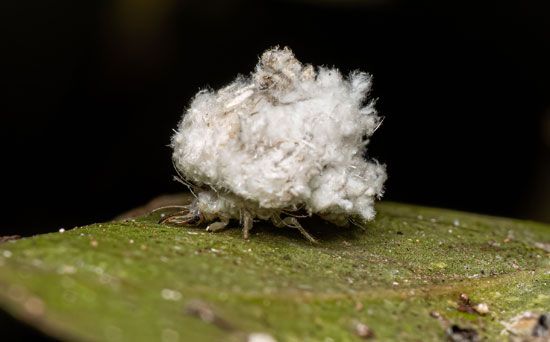
- Trash Bugs: Green lacewing larvae use hooked bristles to carry debris like lichen, sand, and prey remains as a portable cloak.1
- Assassin Bugs: Some species, such as the masked hunter, cover themselves in dust, lint, or even the corpses of their prey to distort their outlines and confuse predators.1
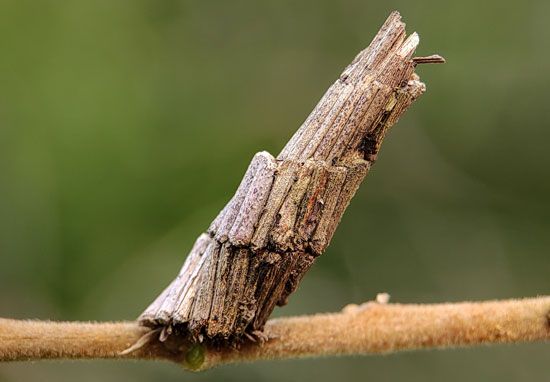
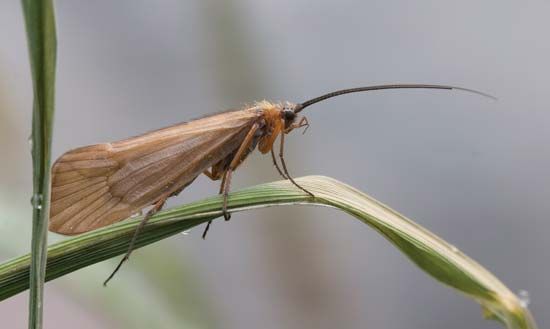
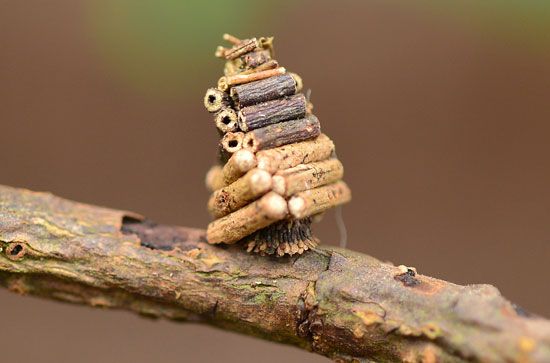
- Case-builders: Bagworm moths and caddisflies construct protective cases from silk, twigs, sand, or pebbles.1
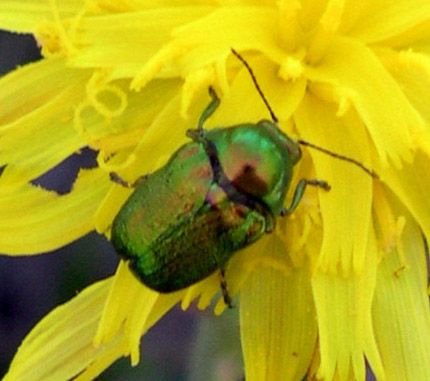
- Fecal Shields: Tortoise beetles and casebearing leaf beetles use excrement and molted exoskeletons to deter predators.1
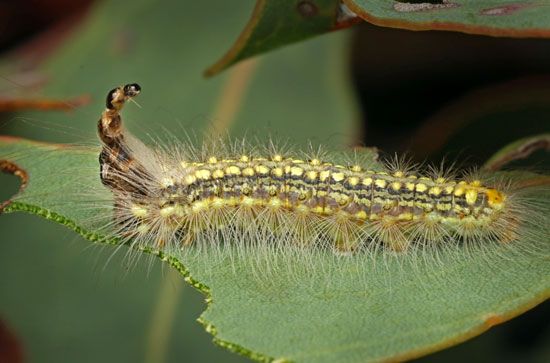
- Unique Adaptations: The “mad hatterpillar” (eucalypt leaf skeletonizer) stacks its old head capsules into a tower, while the rare “bone-collecting” caterpillar uses spider prey parts to hide within webs.1
How does camouflage differ from mimicry in the insect world?
In the insect world, the primary distinction between camouflage and mimicry lies in the insect’s intent regarding its environment and the receiver of its signals.
Camouflage (Cryptic Coloration)
Camouflage, or cryptic coloration, is a strategy where an insect seeks to avoid detection by blending into its neutral background. The insect’s appearance—including its color, pattern, and shape—is evolved to match its surroundings, effectively rendering it invisible to predators. For example, stick insects can adjust their pigment to match the bark or leaves they inhabit, making them indistinguishable from the environment.342
Mimicry
Mimicry involves a superficial resemblance between two organisms where the mimic gains an advantage by deceiving a third party (the receiver). Unlike camouflage, where the goal is to be ignored as part of the background, mimicry relies on the receiver recognizing the mimic as something else—often a dangerous or inedible model.34
- Batesian mimicry: A harmless or edible species evolves to resemble a dangerous or distasteful one to avoid predation.45
- Müllerian mimicry: Multiple inedible or noxious species evolve to share similar warning signals, reinforcing the predator’s avoidance of that specific pattern.6
In short, while camouflage aims to make an insect “disappear” into the background, mimicry uses signals to ensure the insect is “seen” as something it is not.3
What are some other ways insects protect themselves from predators besides wearing objects?
Beyond wearing objects, insects employ a wide array of sophisticated strategies to defend themselves from predators:
- Chemical Defenses: Many insects produce toxic or repellent substances. Some secrete these from dermal glands, while others, such as stinkbugs, release foul-smelling compounds when threatened. Certain stick insects and grasshoppers can even eject chemical sprays at predators from a distance.27
- Physical and Behavioral Defenses: Insects may use their rigid, leathery cuticle as armor. Others rely on rapid escape behaviors, such as the sudden flight of a grasshopper or the explosive movement of a cockroach, which is triggered by specialized giant nerves that detect air disturbances. Some species also practice “death-feigning,” where they remain perfectly still to avoid detection.28
- Warning Signals: Insects with potent chemical defenses often display conspicuous aposematic coloration, which serves as a visual warning to predators that they are dangerous or unpalatable.2
- Social Defense: In social insect colonies, such as those of ants, bees, and wasps, specialized “soldier” castes are dedicated to defending the nest. Some species even use modified body parts to physically block nest entrances.910
Why do some insects use toxic chemicals as a defense mechanism?
Insects utilize toxic chemicals as a defense mechanism primarily to deter predators and ensure survival. These chemical strategies serve several critical functions:
- Repulsion and Deterrence: Many insects produce volatile compounds that act as effective repellents. When threatened, these insects release substances that create an unpleasant smell or taste, discouraging attackers from consuming them. Some species, such as certain stick insects, can even eject these chemical sprays at predators from a distance.82
- Learning and Avoidance: Strong odors often accompany toxic substances, serving as a signal that helps predators learn to avoid specific prey. This is frequently paired with aposematic coloration, where conspicuous patterns act as a visual “label” that predators quickly associate with nauseous or dangerous experiences.812
- Direct Protection: Some insects possess poisons in their blood or tissues, often sequestered from the plants they consume. Others utilize specialized glands to discharge toxins over their cuticle or inject them via stings to paralyze prey or defend against threats.122
Sources
- Insects That Wear Things — Encyclopædia Britannica
- insect - Protection from enemies — Encyclopædia Britannica
- mimicry - Müllerian mimicry — Encyclopædia Britannica
- mimicry — Encyclopædia Britannica
- mimicry - Batesian mimicry — Encyclopædia Britannica
- crypsis — Merriam-Webster
- Avoidance behaviour - Fleeing and escape — Encyclopædia Britannica
- Chemoreception - Defensive odors — Encyclopædia Britannica
- mimicry - Batesian mimicry — Encyclopædia Britannica
- social insect — Encyclopædia Britannica
- Hymenoptera - Division of labor — Encyclopædia Britannica
- Chemoreception - Defensive tastes — Encyclopædia Britannica
Published on · 4 min read