Nature Conservancy
The Nature Conservancy is a global nonprofit organization committed to environmental conservation and the protection of biodiversity. Established in 1951 in…
What is Nature Conservancy?
The Nature Conservancy is a global nonprofit organization committed to environmental conservation and the protection of biodiversity. Established in 1951 in Washington, D.C., it manages the world’s largest private system of nature sanctuaries, encompassing over 9 million acres across more than 1,500 preserves in the United States.1
The organization employs a collaborative, nonconfrontational approach to land protection. By utilizing data from government-administered programs to identify critical habitats and threatened species, the Conservancy secures land through various methods, including direct purchases, gifts, easements, and debt-for-nature swaps. While its roots are in the United States, the organization has expanded its conservation efforts into Canada, Latin America, Africa, Asia, and the Pacific.1
What is biodiversity and why is it important?
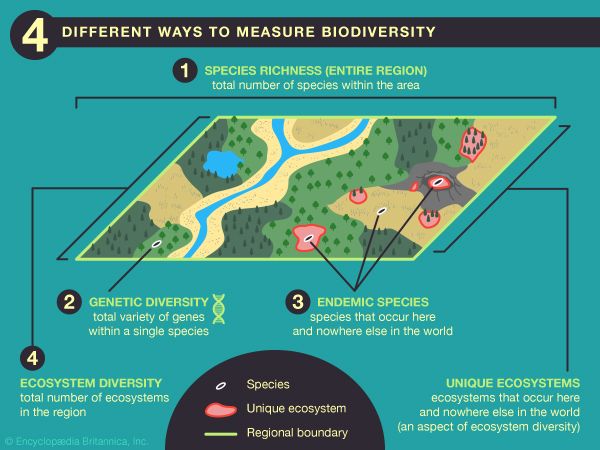
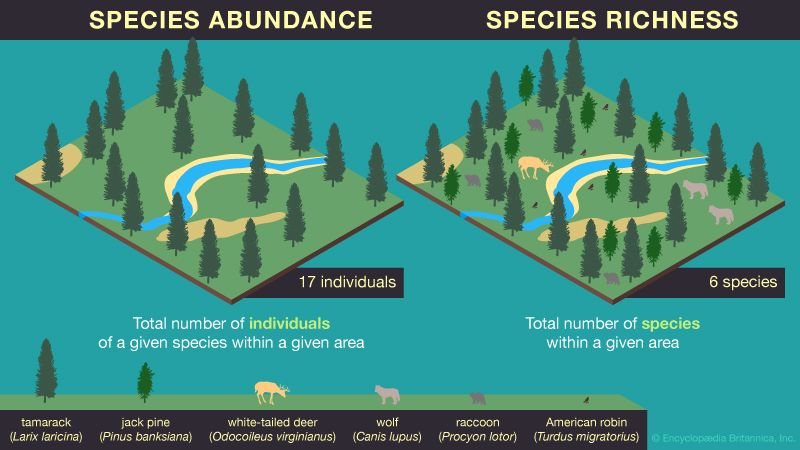
Biodiversity, or biological diversity, refers to the variety of life found in a specific location or across the entire planet. It is measured not only by species richness—the count of different species in an area—but also by the genetic variety within each species and the diversity of ecosystems that these species create.23
Biodiversity is essential because it maintains the health, stability, and productivity of ecosystems. Species-rich communities are more resilient, allowing them to recover faster from disturbances like droughts or grazing. These diverse biological webs provide critical services, such as maintaining soil quality, purifying water, and supporting biomass production.45
When biodiversity declines, ecosystems lose their complexity and their ability to function properly. As species are lost, the remaining ecosystem becomes less stable and more vulnerable to collapse, often leading to “ecosystem homogenization” where unique, specialized species are replaced by generalists. Because human activities are the primary drivers of biodiversity loss, protecting these intricate natural networks is vital for sustaining the functioning ecosystems upon which all life depends.564
How do land easements help with conservation?
In the context of environmental conservation, a land easement serves as a legal tool that allows organizations like the Nature Conservancy to protect ecologically significant areas without necessarily purchasing the land outright.
An easement is a legal agreement where a property owner grants specific rights to another party regarding the use of their land. For conservation purposes, this typically involves the landowner voluntarily restricting certain activities—such as commercial development, mining, or industrial agriculture—that could harm the local habitat or biodiversity. By securing these rights, conservation groups ensure that the land remains in a natural or semi-natural state, effectively preserving critical habitats for threatened species while allowing the original owner to retain title to the property.
This nonconfrontational approach is highly effective because it allows for the protection of large, contiguous landscapes by working directly with private landowners to meet shared conservation goals.71
What are some examples of threatened species they protect?
The Nature Conservancy works to protect a wide array of threatened and endangered species by securing their essential habitats through various land-management arrangements. While the organization manages vast preserves globally, specific examples of threatened species that benefit from such conservation efforts—particularly in regions like Hawaii where a significant portion of U.S. endangered species reside—include:1
- Nene: Also known as the Hawaiian goose, this endemic bird is a primary focus of protection efforts in its native habitat.8
- Hawaiian stilt: A unique bird species that relies on the preservation of specific wetland and coastal ecosystems.8
- Honeycreepers: A diverse group of small forest birds that have evolved in isolation and are highly susceptible to habitat loss and invasive species.8
Protecting these species often requires active habitat management, such as the removal of invasive species and the restoration of natural ecological processes like fire and flooding regimes, to ensure the environment remains suitable for their survival.9
Sources
- Nature Conservancy — Encyclopædia Britannica
- biodiversity: Top Questions — Encyclopædia Britannica
- endangered species - Human beings and endangered species — Encyclopædia Britannica
- community ecology - Community equilibrium and species diversity — Encyclopædia Britannica
- biodiversity — Encyclopædia Britannica
- biodiversity loss - Ecological effects — Encyclopædia Britannica
- Easement — Encyclopædia Britannica
- Hawaii - Plant and animal life — Encyclopædia Britannica
- conservation - Habitat management — Encyclopædia Britannica
Published on · 3 min read