National Park Service
The National Park Service (NPS) is an agency within the U.S. Department of the Interior responsible for managing and maintaining hundreds of national parks…
What is the National Park Service?
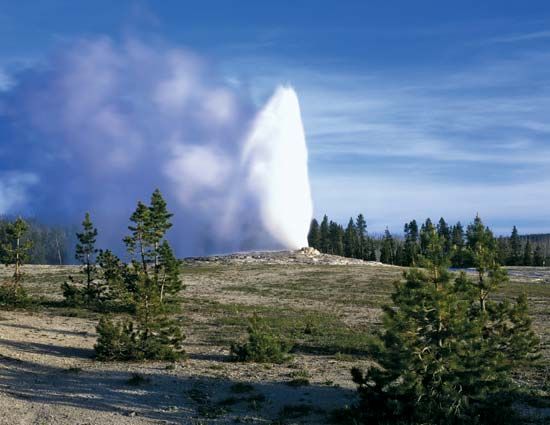
The National Park Service (NPS) is an agency within the U.S. Department of the Interior responsible for managing and maintaining hundreds of national parks, monuments, historical sites, and other federal properties. Established in 1916 by an act of the U.S. Congress signed by President Woodrow Wilson, the agency is mandated to conserve natural and historic resources while ensuring they remain unimpaired for future generations.1
Following a 1933 reorganization under President Franklin D. Roosevelt, the NPS consolidated control over various scenic and historic sites. Over the decades, the system expanded to include diverse designations such as national seashores, national scenic trails, and sites of cultural significance, including Native American ruins and presidential homes. Annual attendance has grown significantly since the agency’s inception, surpassing 300 million visits by 2015.2
Explore our list of national parks in the United States.
What does the National Park Service do?
The National Park Service (NPS) is a federal agency within the U.S. Department of the Interior tasked with managing and maintaining hundreds of national parks, monuments, historical sites, and other protected federal properties.13
Established by the National Park Service Organic Act of 1916, the agency is mandated to conserve scenery, natural and historic objects, and wildlife, ensuring these resources remain unimpaired for the enjoyment of future generations. To achieve this, the NPS performs several key functions:14
- Administration and Oversight: The agency provides professional management, stability, and order across its vast system, which includes over 400 sites covering more than 84 million acres.43
- Conservation: It protects natural environments from threats such as poaching, unauthorized development, and resource exploitation.4
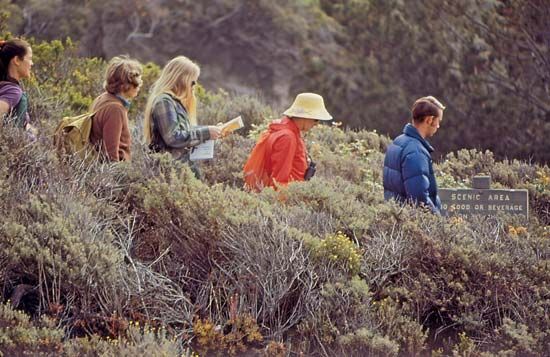
- Public Access and Education: The NPS balances the paradox of promoting public tourism and enjoyment while minimizing human impact on wildlife and ecosystems, often by restricting visitor travel to designated areas.3
- Expansion: The agency continues to advocate for the preservation of new sites of cultural, historical, and scientific significance.4

When was the National Park Service created and why?
The National Park Service (NPS) was established in 1916 when President Woodrow Wilson signed the Organic Act into law.15
The agency was created to address the fragmented and ineffective management of the country’s growing collection of national parks and monuments. By the early 20th century, these sites were administered by various authorities—such as the U.S. Army—with little funding or professional oversight. This lack of coordination allowed private interests to exploit park resources through logging, grazing, and hunting.5
Conservationists like John Muir had long advocated for federal protection of scenic lands, and the efforts of Stephen Mather and Horace Albright were instrumental in convincing Congress to unify these properties under a single agency. The NPS was mandated to conserve natural and historic objects and wildlife, ensuring they remained unimpaired for the enjoyment of future generations.651
What are some types of places the National Park Service manages?
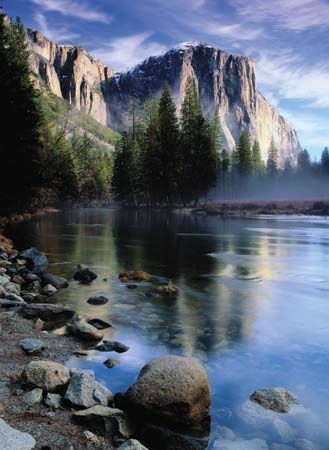
The National Park Service (NPS) manages a diverse array of federal properties dedicated to the preservation of natural, historical, and scientific resources. By the early 21st century, the agency oversaw more than 400 separate areas encompassing approximately 85 million acres.1
The types of places managed by the NPS include:
- National Parks: Large areas set aside for the preservation of the natural environment, wildlife, and scenery, often intended for public recreation and enjoyment.14
- National Monuments: Sites reserved for the protection of specific objects or places of historical, prehistoric, or scientific interest, including natural physical features and archaeological remains.7
- Historical Sites and Parks: Areas preserved for their significance to human history, such as battlefields and homes of historical figures.819
- Recreation Areas: Locations designated primarily for public outdoor activities.19
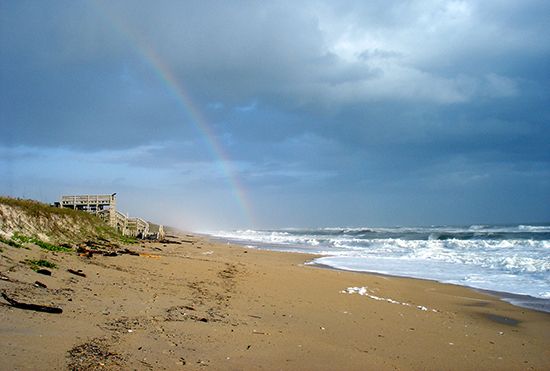
- Other Protected Properties: The system also includes national preserves, seashores, lakeshores, parkways, and scenic trails.1
Additionally, the NPS administers the National Capital Parks, a system of over 300 units in and around Washington, D.C., which includes iconic memorials and government-owned sites.9
Sources
- National Park Service — Encyclopædia Britannica
- National Park Service - Years of growth — Encyclopædia Britannica
- Happy 100th Birthday, National Park Service! — Encyclopædia Britannica
- national park — Encyclopædia Britannica
- National Park Service - Origins of the U.S. national park system — Encyclopædia Britannica
- National Park Service - Establishment of the NPS — Encyclopædia Britannica
- National Capital Parks — Encyclopædia Britannica
- national park: Top Questions — Encyclopædia Britannica
- national monument — Encyclopædia Britannica
- national monument — Merriam-Webster
Published on · 3 min read