International Union for Conservation of Nature
The International Union for Conservation of Nature (IUCN) operates as a global network governed by a democratically elected council, which is chosen by its…

What is the structure of the IUCN, and how are its members organized?
The International Union for Conservation of Nature (IUCN) operates as a global network governed by a democratically elected council, which is chosen by its member organizations during the World Conservation Congress. This congress serves as the venue where members adopt the organization’s global program every four years.1
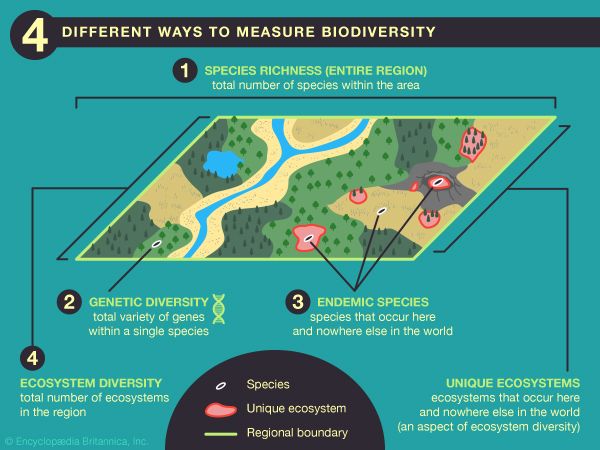
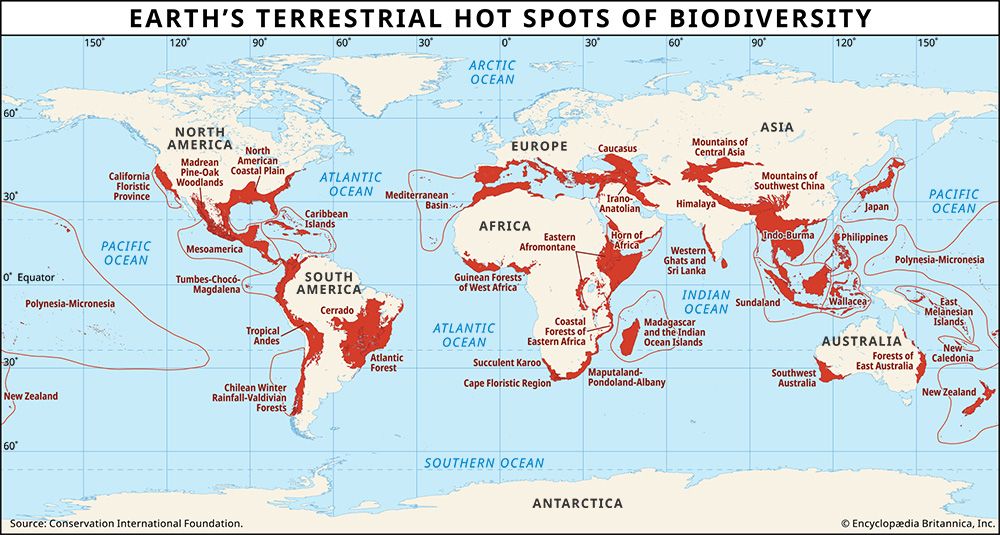
The IUCN’s membership is composed of more than 1,000 governmental and nongovernmental organizations representing over 140 countries. These members drive the organization’s work, which is organized into theme-based programs—such as biodiversity, forest preservation, and water conservation—and special initiatives addressing issues like climate change.1
Additionally, the IUCN coordinates the volunteer efforts of over 10,000 experts through specialized commissions. These commissions focus on areas including species survival, environmental law, ecosystem management, and protected areas.1
What are the IUCN’s Protected Area Categories, and how are they used?
Sorry, the Britannica knowledge base does not contain information regarding the specific IUCN Protected Area Categories or their usage.
How does the IUCN support sustainable development goals?
The International Union for Conservation of Nature (IUCN) supports sustainable development by promoting the ecologically sustainable use of natural resources and integrating conservation into broader policy frameworks.1
The organization advances these goals through several key mechanisms:
- Scientific Research and Policy: The IUCN supports environmental research and assists nations in implementing conservation legislation and policies that balance ecological health with human needs.1
- Thematic Programs: Its work is structured around programs addressing biodiversity, forest preservation, and water and wetlands conservation, which are essential for long-term environmental stability.1
- Special Initiatives: The IUCN manages initiatives that specifically target the intersection of climate change, conservation, and poverty reduction, recognizing that sustainable development requires addressing both environmental and social challenges.1
- Global Influence: As an observer at the United Nations General Assembly, the IUCN provides expert guidance to help shape international environmental standards.1
How does the IUCN collaborate with governments and other organizations to promote conservation?
The International Union for Conservation of Nature (IUCN) operates as a vast network, uniting more than 1,000 governmental and nongovernmental organizations across over 140 countries to advance global conservation efforts.1
Collaboration is central to its mission and is facilitated through several key channels:
- Governance and Strategy: The organization is governed by a council elected by its members, who collectively adopt a global program every four years at the World Conservation Congress. This ensures that conservation priorities are aligned across diverse international stakeholders.1
- Expert Networks: The IUCN coordinates the volunteer efforts of over 10,000 scientists and experts through specialized commissions. These groups focus on critical areas such as environmental law, ecosystem management, and species survival, providing the technical foundation for policy implementation.1
- Policy and Field Action: By working directly with governments, the IUCN helps draft and implement national conservation legislation. Furthermore, it manages thousands of field projects worldwide, often funded by a coalition of governments, foundations, and corporations.1
- International Advocacy: As an observer at the United Nations General Assembly, the IUCN bridges the gap between scientific research and global policy-making.1
Sources
- International Union for Conservation of Nature — Encyclopædia Britannica
- IUCN Red List of Threatened Species — Encyclopædia Britannica
Published on · 2 min read