Is Light Pollution Really Pollution?
Yes, light pollution is legitimately considered a form of pollution. While it may not involve physical chemicals like air or water pollution, it is defined…
Is Light Pollution Really Pollution?
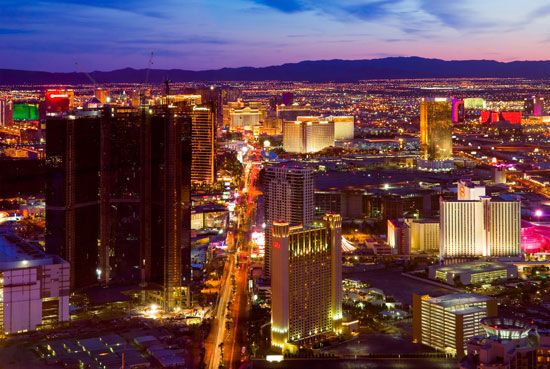
Yes, light pollution is legitimately considered a form of pollution. While it may not involve physical chemicals like air or water pollution, it is defined as the addition of unwanted or excessive artificial energy to the environment at a rate faster than it can be dispersed or managed.12
Because this energy disrupts natural processes and degrades environmental quality, it is a significant issue. Its impacts include:2
- Human Health: Artificial light can disrupt circadian rhythms and sleep patterns, while glare can cause distraction and discomfort.12
- Wildlife: Many species are adversely affected. For example, migratory birds can become disoriented by sky glow, leading to fatal collisions with buildings, and sea turtle hatchlings may be deterred from reaching the ocean.12
- Environmental Connection: Since most artificial light is generated by electricity from fossil fuels, reducing light pollution also helps lower air pollution and conserve energy air pollution and conserve energy.2
How does light pollution specifically impact the migration patterns of sea turtles?
Light pollution significantly disrupts the natural behaviors of sea turtles during critical stages of their life cycle:
- Nesting Females: Bright artificial lights along the coast can deter gravid (pregnant) females from coming ashore. This forces them to abandon their preferred nesting sites in search of less familiar or less suitable alternatives, which can negatively impact their reproductive success.2
- Hatchling Disorientation: Hatchlings typically emerge from their nests at night and rely on an instinctive ability to recognize the horizon over the open ocean to reach the water. Artificial lighting behind or along the beach confuses this natural navigation. Instead of heading toward the sea, hatchlings often crawl inland toward the light sources.24
- Mortality Risks: Once disoriented and heading inland, hatchlings face severe threats, including dehydration, exhaustion, and increased vulnerability to predators. They are also frequently killed by vehicles on coastal roads. It is estimated that light pollution is responsible for the deaths of tens of thousands of hatchlings annually in the United States alone.2
What are ‘cutoff luminaires’ and how do they help reduce skyglow?
Cutoff luminaires are specialized lighting fixtures designed to minimize light pollution by controlling the direction of light emission. A luminaire is a complete lighting unit, and when it is classified as a “cutoff” fixture, it incorporates shielding that prevents light from being emitted above the horizontal plane.51
These fixtures help reduce skyglow—the brightening of the night sky caused by artificial light—through the following mechanisms:
- Directional Control: By shielding the lamp, these fixtures direct light downward toward the intended area, such as a road or walkway, rather than allowing it to escape into the atmosphere.51
- Reduced Scattering: Skyglow occurs when upward-directed light is scattered and reflected by particles in the atmosphere. By eliminating light that escapes above the horizontal, cutoff luminaires significantly reduce the amount of light available to be scattered back to the ground, thereby preserving the visibility of stars and other celestial objects.1
- Efficiency: Because they focus light where it is actually needed, these fixtures can also improve the efficiency of lighting systems, often allowing for lower wattage while maintaining visibility on the ground.1
In what ways does artificial light at night disrupt human circadian rhythms?
Artificial light at night (ALAN) disrupts human circadian rhythms primarily by interfering with the body’s natural production of melatonin, a hormone essential for regulating sleep cycles.67
The process of circadian regulation relies on the retina detecting light and dark to signal the suprachiasmatic nucleus in the brain6. Under natural conditions, darkness stimulates the pineal gland to produce melatonin, which induces sleep-promoting physiological changes like lowered body temperature and heart rate. Exposure to artificial light at night inhibits this production, which can lead to several disruptions:76
- Suppression of Sleep Induction: Light exposure, particularly blue light emitted by smartphones, tablets, and LEDs, is highly effective at suppressing melatonin. This prevents the body from properly preparing for sleep, often resulting in delayed sleep onset.81
- Disrupted Sleep Patterns: Constant background skyglow and misdirected light from streetlights or nearby buildings can cause frequent sleep interruptions, preventing restorative rest.9
- Circadian Misalignment: Chronic exposure to light at night can shift the internal biological clock, potentially leading to circadian rhythm disorders where sleep and wake times are out of sync with social or environmental norms.91
Sources
- Is Light Pollution Really Pollution? — Encyclopædia Britannica
- light pollution — Encyclopædia Britannica
- light pollution — Merriam-Webster
- sea turtle — Encyclopædia Britannica
- luminaire — Encyclopædia Britannica
- Melatonin — Encyclopædia Britannica
- circadian rhythm — Encyclopædia Britannica
- blue light — Encyclopædia Britannica
- sleep - Circadian rhythm disorders — Encyclopædia Britannica
Published on · 3 min read