Water Pollution
Agricultural runoff contributes to water pollution primarily through the transport of sediment, excess plant nutrients, and chemical residues into aquatic…
How does agricultural runoff contribute to water pollution?
Agricultural runoff contributes to water pollution primarily through the transport of sediment, excess plant nutrients, and chemical residues into aquatic ecosystems.123
- Sedimentation: Intensive cultivation leads to soil erosion, where topsoil enters waterways as sediment. This clouds the water, impairs dissolved-oxygen levels, and fills irrigation canals and reservoirs, increasing maintenance costs.1
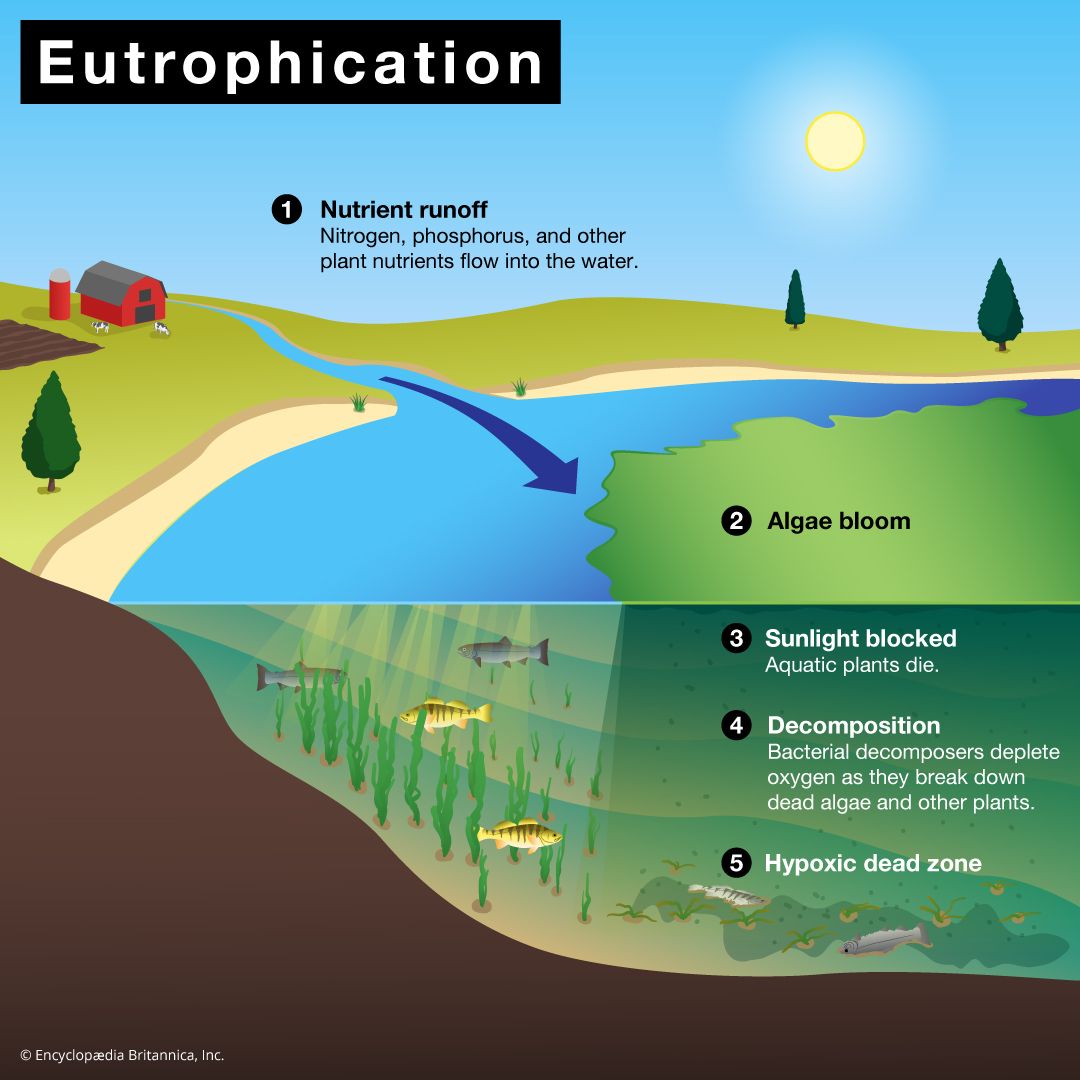
- Nutrient Loading: Runoff containing nitrogen and phosphorus—often from fertilizers and animal waste—triggers eutrophication. This process fuels rapid algal blooms that block sunlight and consume oxygen as they decompose, creating hypoxic “dead zones” where fish and other aquatic life cannot survive.435
- Chemical Contamination: Pesticides, herbicides, and other agricultural chemicals can leach into groundwater or wash into surface waters. These substances can be toxic to aquatic organisms, contaminate crops, and pose risks to human and livestock health if they enter drinking water supplies.67
To mitigate these impacts, sustainable practices such as using buffer plants, reducing tillage, and applying fertilizers sparingly during dry conditions are recommended to minimize runoff.2
How do international agreements and regulations address water pollution on a global scale?
International efforts to address water pollution rely on a cooperative framework, as individual state responsibility is often difficult to prove in cases of environmental harm. Instead, nations utilize international agreements to establish shared standards, monitor progress, and mandate emission reductions.8
International Frameworks and Conventions
Global cooperation is guided by declarations such as the Stockholm Declaration (1972) and the Rio Declaration (1992), which establish the principle that states must ensure activities within their jurisdiction do not damage the environment of other nations. Specific agreements target various pollutants:8
- Persistent Pollutants: The Stockholm Convention on Persistent Organic Pollutants (2001) prohibits or eliminates the production and use of toxic, long-lasting chemicals.9
- Maritime Pollution: The International Maritime Organization (IMO), a UN body, oversees conventions like MARPOL, which regulates ship design and operations to minimize oil spills and other discharges.10
- Monitoring and Impact: Agreements such as the Convention on Biological Diversity and the United Nations Framework Convention on Climate Change provide mechanisms for monitoring environmental health and conducting impact assessments.8
Implementation and Enforcement
International regulations generally do not take effect until they are ratified by a sufficient number of states and incorporated into domestic law. Once ratified, enforcement typically falls to national authorities, such as the United States Coast Guard, which ensures compliance within their respective jurisdictions. While these agreements strive for uniformity, the effectiveness of global water protection remains dependent on the willingness of individual nations to ratify and rigorously enforce these codes.1011
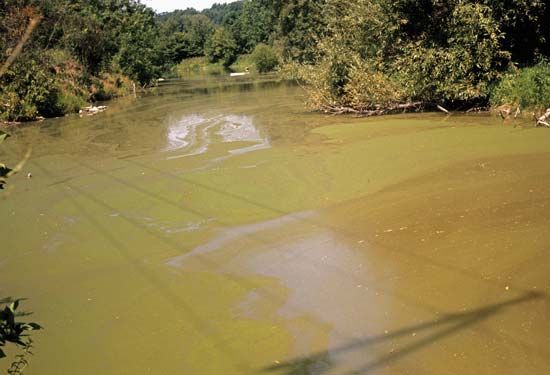
What are the main sources of water pollution?
Water pollution stems from a wide variety of substances, including pathogenic microorganisms, putrescible organic waste, fertilizers, pesticides, toxic chemicals, sediments, heat, petroleum, and radioactive substances. These pollutants generally enter water bodies through two primary pathways:13
Point and Dispersed Sources
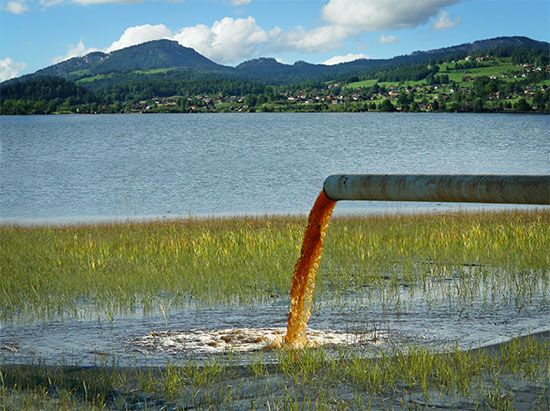
- Point Sources: These are identifiable, confined locations such as pipes or channels that discharge waste from industrial facilities or municipal sewerage systems. Because these pollutants are collected at a single location, they are generally easier to treat and control.13
- Dispersed (Nonpoint) Sources: These involve broad, unconfined areas where pollutants enter water bodies through runoff. Examples include agricultural fields, urban stormwater drainage carrying road chemicals and petroleum residues, and atmospheric deposition.1314
Major Categories of Pollution
- Domestic Sewage: A primary source of pathogens and organic matter. When untreated, it depletes dissolved oxygen in water, endangering aquatic life, and can introduce pharmaceutical residues.515
- Agricultural Runoff: Contains excess nitrates and phosphates that trigger eutrophication, leading to harmful algal blooms and oxygen depletion.51617
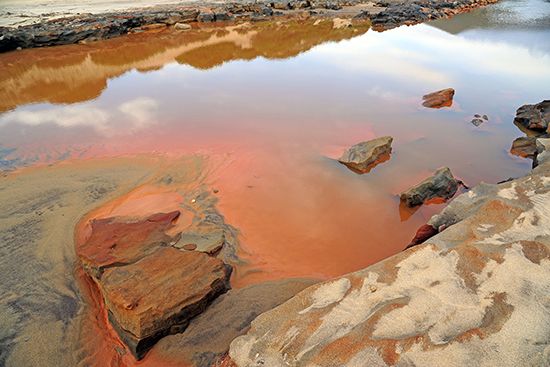
- Industrial and Chemical Waste: Includes toxic chemicals, heavy metals, and heated water from cooling processes, which can alter water chemistry and destroy ecosystems.16
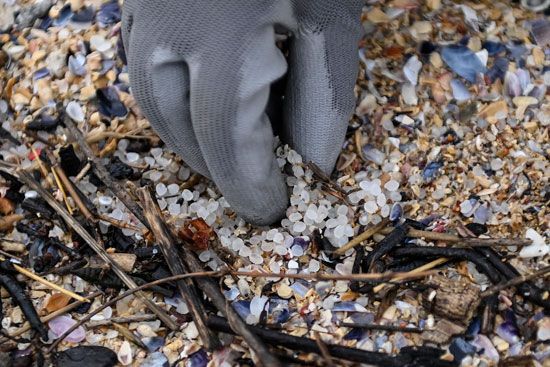
- Plastic Pollution: Millions of tons of plastic enter oceans annually. Microplastics are particularly concerning as they bioaccumulate in the food chain and disrupt the health of marine organisms.6
What are some effective ways to prevent and reduce water pollution?
Preventing and reducing water pollution requires a combination of systematic government regulation, infrastructure investment, and individual behavioral changes. Because pollution stems from both identifiable point sources and widespread dispersed sources, strategies must be multifaceted.1319
Infrastructure and Technology
- Wastewater Treatment: Expanding and upgrading sewage treatment plants is essential. Modern systems use primary, secondary, and advanced tertiary treatment to remove up to 99 percent of impurities, including harmful nitrates and phosphates.20
- Disinfection: To protect public health, treated effluent is often disinfected using chlorine or ultraviolet radiation to destroy remaining pathogens before water is discharged back into the environment.20
Policy and Economic Strategies
- Regulation: Governments establish stream standards to limit pollutant concentrations in water bodies and effluent standards to regulate discharge quality from industrial and municipal facilities.20
- Sustainable Agriculture: Policies that incentivize organic farming and sustainable practices help reduce the runoff of pesticides and fertilizers that cause eutrophication.2122
- Economic Incentives: Water taxes on heavy industrial users can discourage waste, while rebates for water-efficient appliances help reduce the overall volume of wastewater generated.22
Individual Action
- Consumer Choices: Individuals can reduce plastic pollution by opting for reusable items and ensuring waste is properly recycled.16
- Civic Engagement: Supporting green policies and voting for systemic environmental protections are effective ways to drive large-scale change.1916
Sources
- Agricultural technology - Sediment — Encyclopædia Britannica
- eutrophication Has Greek Roots — Merriam-Webster
- Sustainable agriculture — Encyclopædia Britannica
- eutrophication — Encyclopædia Britannica
- water pollution - Domestic sewage — Encyclopædia Britannica
- Agricultural technology - Plant nutrients — Encyclopædia Britannica
- Agricultural technology - Chemicals — Encyclopædia Britannica
- water pollution - Water quality standards — Encyclopædia Britannica
- International law - Protection of the environment — Encyclopædia Britannica
- endocrine disruptor - Mitigating exposure to endocrine-disrupting chemicals — Encyclopædia Britannica
- ship - International conventions — Encyclopædia Britannica
- Maritime law - International regulation — Encyclopædia Britannica
- water pollution - Types and sources of water pollutants — Encyclopædia Britannica
- Plastic Disaster: How Your Bags, Bottles, and Body Wash Pollute the Oceans — Encyclopædia Britannica
- water pollution: Top Questions — Encyclopædia Britannica
- river - Environmental problems attendant on river use — Encyclopædia Britannica
- Acid rain - Chemistry of acid deposition — Encyclopædia Britannica
- Agricultural technology - Agricultural processing wastes — Encyclopædia Britannica
- wastewater treatment - Wastewater treatment and disposal — Encyclopædia Britannica
- water pollution — Encyclopædia Britannica
- water purification - Industrial water purification — Encyclopædia Britannica
- plastic pollution: Top Questions — Encyclopædia Britannica
- water scarcity - Economic and social solutions — Encyclopædia Britannica
Published on · 4 min read