Light Pollution
Light pollution is defined as unwanted or excessive artificial light that degrades environmental quality and disrupts natural cycles. It is a form of waste…
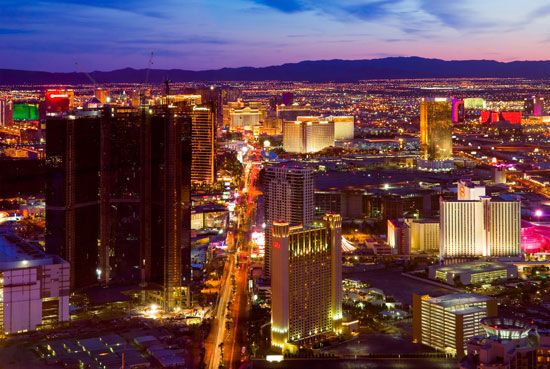
What is light pollution and what are its main sources?
Light pollution is defined as unwanted or excessive artificial light that degrades environmental quality and disrupts natural cycles. It is a form of waste energy that, when dispersed into the environment, interferes with human health, astronomical observations, and the behavior of various animal species.12
Main Sources of Light Pollution
The primary sources of light pollution include:
- Urban and Residential Lighting: This includes the collective glow from streetlights, house lights, coach lights, and interior lighting.1
- Commercial and Security Lighting: Brightly illuminated parking lots, office buildings, commercial signs, and security floodlights are major contributors to skyglow.12
- Poorly Designed Fixtures: Lamps and lighting systems that lack proper shielding allow light to escape above the horizontal, where it is scattered by particles in the atmosphere.2
- Reflective Surfaces: Light is often exacerbated by the reflectivity of surrounding surfaces, such as roads, pavements, walls, and windows.2
Because much of this artificial light is generated by electricity derived from the combustion of fossil fuels, light pollution is also indirectly linked to air pollution.2
What are the health impacts of light pollution on humans?
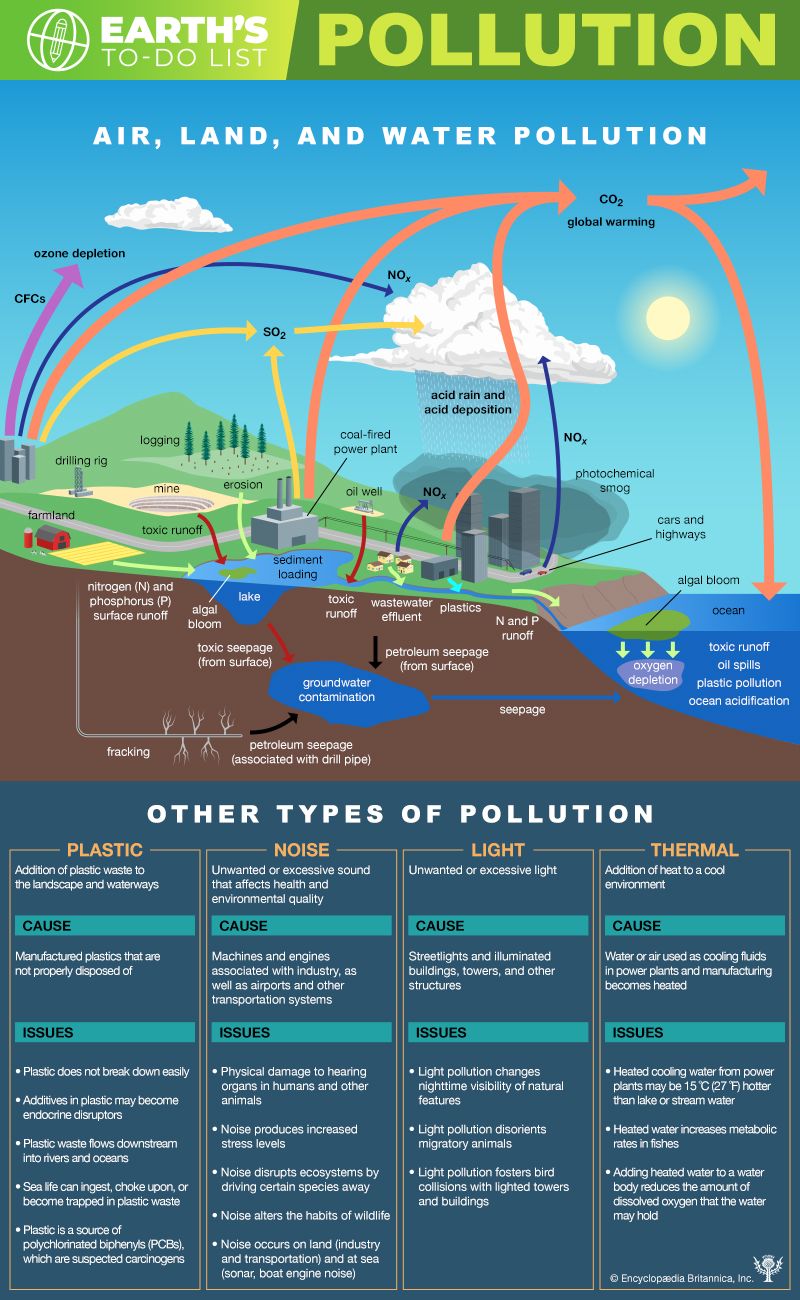
Light pollution significantly impacts human health primarily by disrupting the body’s circadian rhythm, the internal biological clock that regulates sleep-wake cycles.41
Disruption of Sleep and Melatonin
The retina detects light and dark to signal the pineal gland to produce melatonin, a hormone essential for inducing sleep. Exposure to artificial light at night—particularly blue light—inhibits melatonin production. When this process is suppressed by urban sky glow, streetlights, or indoor lighting, individuals may experience:15
- Sleep Interruptions: Difficulty falling or staying asleep, leading to poor sleep quality.4
- Alertness Issues: Inappropriate suppression of melatonin during nighttime hours can disrupt the natural transition to sleep, causing unwanted alertness.51
Additional Health Considerations
Beyond sleep disruption, the broader impacts of light exposure include:
- Eye Health: High-energy blue light can reach the retina, potentially causing oxidative stress and inflammation that may damage ocular structures over time.5
- Mood Regulation: Disruption of circadian cycles has been linked to mood disorders, including depression. Research suggests that maintaining a healthy light-dark cycle is vital for emotional regulation and brain function.5
What are some effective strategies to reduce light pollution?
Reducing light pollution is an achievable goal that involves both individual actions and systemic policy changes. Because light pollution is a form of waste energy, these strategies also help conserve resources and reduce costs.31
Individual and Residential Strategies
- Optimize Lighting Usage: The simplest way to reduce light pollution is to turn off lights when they are not needed or eliminate unnecessary outdoor lighting entirely.1
- Use Proper Fixtures: Install well-designed light fixtures, such as cutoff luminaires, that direct light downward to where it is actually needed rather than allowing it to escape above the horizontal.31
- Manage Indoor Light: Residents can minimize light spill by closing curtains or blinds at night to prevent interior light from contributing to the outdoor glow.3
- Adjust Wattage: Use the minimum amount of wattage necessary for the specific area being illuminated.3
Policy and Community Strategies
- Enact Lighting Ordinances: Local and national governments can pass laws requiring outdoor fixtures to be shielded to prevent light from extending above the horizontal.3
- Protect Sensitive Habitats: Municipalities, particularly in coastal areas, can implement regulations to restrict lighting near beaches to protect wildlife, such as nesting sea turtles.3
How do different countries and cities address the issue of light pollution?
Countries and cities address light pollution through a combination of legislative action and infrastructure standards designed to minimize wasted energy and skyglow.
- National Legislation: The Czech Republic became the first country to enact a national law specifically targeting light pollution in 2002. This mandate requires all outdoor lighting fixtures to be equipped with shields that prevent light from being emitted above the horizontal plane.3
- Municipal Regulations: In the United States and other regions, many coastal municipalities have implemented specific ordinances to protect wildlife. These regulations often restrict the intensity and direction of lighting near beaches to prevent the disorientation of sea turtle hatchlings, which rely on natural light cues to reach the ocean.3
- Infrastructure Standards: Beyond specific laws, many jurisdictions are increasingly adopting the use of well-designed light fixtures, such as cutoff luminaires. These fixtures are engineered to direct light downward toward the ground, where it is needed, rather than allowing it to scatter into the atmosphere and contribute to skyglow.31
Sources
- Is Light Pollution Really Pollution? — Encyclopædia Britannica
- light pollution — Merriam-Webster
- light pollution — Encyclopædia Britannica
- blue light — Encyclopædia Britannica
- Melatonin — Encyclopædia Britannica
Published on · 4 min read