Ivy
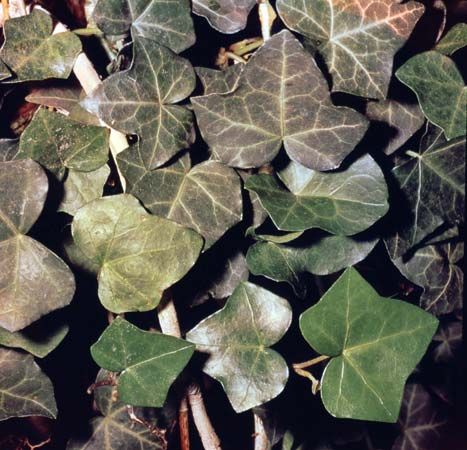
The genus Hedera, commonly known as ivy, consists of approximately 15 species of evergreen woody vines.
How many different species of ivy exist, and where are they commonly found?
The genus Hedera, commonly known as ivy, consists of approximately 15 species of evergreen woody vines.1
These plants are native to Europe and much of Asia. While they are primarily found in these regions, various species have been introduced elsewhere as ornamentals. For example, the Algerian ivy (H. algeriensis) is native to North Africa, and the Atlantic ivy (H. hibernica)—native to the Atlantic coast of Europe—has become an invasive species in parts of western North America.1
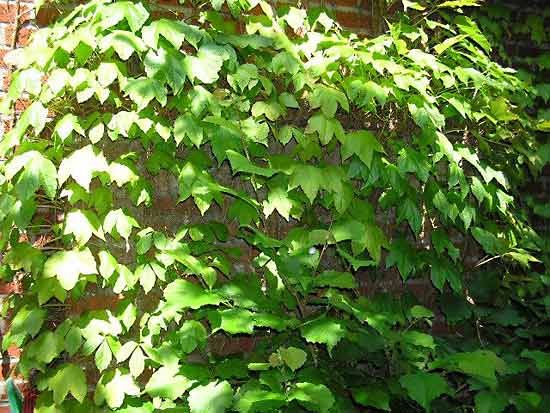
It is important to note that the name “ivy” is sometimes applied to unrelated plants, such as Boston ivy and poison ivy, which are not members of the genus Hedera.1
What are the primary uses of ivy in landscaping and gardening?
In landscaping and gardening, ivy (genus Hedera) is primarily valued as a versatile ornamental plant. Its common uses include:
- Climbing Ornamentals: Species like English ivy (Hedera helix) are frequently used to cover brick walls and other structures, providing a classic aesthetic appeal.1
- Ground Cover: Ivy is an excellent choice for areas where grass struggles to grow, such as beneath large trees, where it thrives in shade and poor soil conditions.1
- Houseplants: Many varieties are popular for indoor cultivation, often selected for their foliage, including numerous variegated cultivars.1
When using ivy, it is important to manage its growth. While a moderate amount of ivy is generally not harmful to trees, it can become deadly if its weight and shade become excessive. Similarly, while ivy can clothe buildings, it should be monitored to ensure it does not penetrate wall fissures, as its natural expansion can accelerate structural decay.1
Note that unrelated plants, such as Boston ivy and poison ivy, are often confused with true ivy but serve different roles in the landscape.1
What are the different growth patterns of ivy (e.g., climbing, ground cover)?
The growth patterns of ivy (genus Hedera) are primarily characterized by their ability to creep along the ground or climb vertical surfaces. These behaviors are facilitated by specialized adventitious roots that develop along the stems and feature adhering disks, allowing the plant to grip supports like brick walls or tree trunks.13
The plant exhibits distinct developmental phases that influence its growth:
- Juvenile Phase: During this stage, the plant typically displays lobed leaves and actively creeps or climbs. It maintains a high rate of cell division, which allows it to spread effectively as a ground cover or scale vertical structures.14
- Adult Phase: As the stems reach the top of their support or encounter specific environmental cues, they transition to a horizontal or hanging orientation. In this phase, the plant often develops unlobed, entire leaves and produces small, nectar-rich flowers in umbel clusters.14
Because ivy thrives in shade and poor soil, it is frequently utilized as a ground cover in areas where other plants struggle, such as beneath large trees. While it is a versatile climber, its growth should be monitored to ensure it does not damage structures or overshadow trees.1
Why is English ivy considered an invasive species in some regions?
English ivy (Hedera helix) is considered an invasive species in many regions, particularly in parts of North America, because of its aggressive growth habits and ability to outcompete native vegetation.
When introduced to non-native environments, English ivy thrives due to its adaptability; it grows well in poor soil and tolerates deep shade, allowing it to spread rapidly across the forest floor. This dense carpet of foliage prevents native plants from germinating and establishing themselves, effectively reducing local biodiversity.
Furthermore, its climbing nature poses a threat to established trees. While a moderate amount of growth is not immediately harmful, the plant can eventually become deadly to a host tree by adding significant weight and blocking sunlight through its dense canopy, which inhibits the tree’s ability to photosynthesize. Because it can also accelerate the decay of structures by penetrating wall fissures, its unchecked expansion is widely viewed as ecologically and structurally detrimental in regions where it is not native.1
Sources
- ivy — Encyclopædia Britannica
- ground ivy — Merriam-Webster
- Adventitious root — Encyclopædia Britannica
- Plant development - Internal control of development — Encyclopædia Britannica
- Boston ivy — Encyclopædia Britannica
- houseplant - Climbers and trailers — Encyclopædia Britannica
Published on · 3 min read