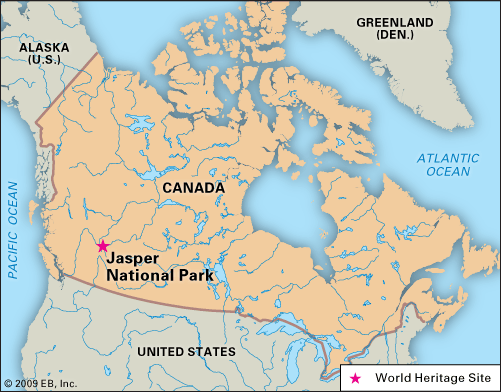
Jasper National Park
Jasper National Park, located in the Canadian Rocky Mountains, features a diverse array of notable geological formations shaped by active natural processes.
What are some of the most notable geological formations in Jasper National Park?
Jasper National Park, located in the Canadian Rocky Mountains, features a diverse array of notable geological formations shaped by active natural processes.1
Key geological highlights include:
- Columbia Icefield: As the largest icefield in the Rockies, this massive formation straddles the border of Alberta and British Columbia and serves as a critical hydrological source for rivers flowing to the Pacific and Arctic oceans and Hudson Bay1.2
- Mountain Peaks: The park encompasses the heights of the Continental Divide, including Mount Columbia—the highest peak in Alberta—and the prominent Mount Edith Cavell.12
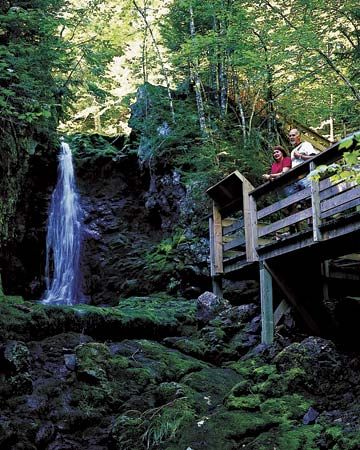
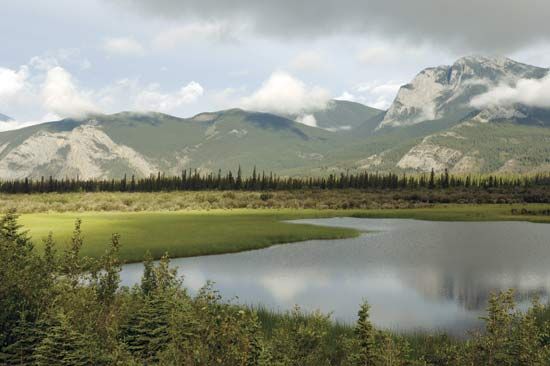
- Water Features: The landscape is defined by the Athabasca and Brazeau river valleys, which contain various waterfalls, canyons, and lakes such as Maligne Lake and Pyramid Lake.12
- Hot Springs: The Miette Hotsprings are a significant geological feature resulting from the region’s complex tectonic activity.12
How does Jasper National Park contribute to the conservation of the Canadian Rockies ecosystem?
Jasper National Park plays a vital role in the conservation of the Canadian Rockies ecosystem by protecting a vast, diverse wilderness that spans 4,200 square miles. Designated as part of the UNESCO Canadian Rocky Mountain Parks World Heritage site in 1984, the park serves as a sanctuary for numerous plant and animal species, including grizzly bears, wolves, lynx, and bighorn sheep.12
The park’s conservation efforts are focused on maintaining the integrity of its montane, subalpine, and alpine regions, which support a wide variety of flora ranging from lodgepole pine to hardy alpine shrubs. By preserving these habitats, the park helps safeguard critical migration corridors and breeding grounds for hundreds of permanent and migratory bird species.1
However, balancing conservation with human activity remains a significant challenge. There is growing concern that development around the town of Jasper and the high volume of annual visitors may disrupt wildlife migration patterns and degrade essential habitats. Protecting these natural landscapes is an ethical imperative to ensure the long-term survival of the region’s biodiversity against the pressures of development and climate change.13
How has tourism evolved in Jasper National Park since its establishment?
Tourism in Jasper National Park has evolved significantly since the area was first protected as a forest park in 1907. Initially established for conservation, the region transitioned into a major resort destination following the construction of the Jasper Park Lodge in 1922.12
The park’s accessibility was further enhanced by its strategic location as a divisional point on the Canadian National Railway and its position at the junction of the Yellowhead Highway and the Icefields Parkway. Today, the park attracts millions of visitors annually, offering a wide range of infrastructure including hotels, campgrounds, hiking trails, and ski slopes.21
While this growth has solidified Jasper’s status as a premier destination in the Canadian Rocky Mountains, it has also introduced modern challenges. There is mounting concern that the development required to support this high volume of tourism—particularly around the town of Jasper—is disrupting wildlife migration and degrading critical habitats, highlighting the ongoing tension between human recreation and environmental stewardship.1
What are the main geographical features and landscapes found in Jasper National Park?
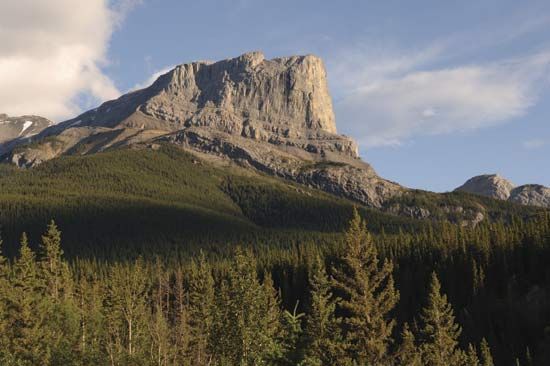
Jasper National Park, located on the eastern flank of the Rocky Mountains, encompasses a diverse range of dramatic geographical features and landscapes across its 4,200 square miles.1
Mountainous Terrain and Glaciers
The park is primarily composed of the Front Ranges of the Rockies and extends westward to the Continental Divide1. This high-altitude terrain includes Mount Columbia, the highest peak in Alberta-Columbia), the highest peak in Alberta. A defining feature of the landscape is the Columbia Icefield, the largest in the Rockies, which feeds major river systems flowing toward the Pacific and Arctic oceans and Hudson Bay.1
Valleys and Water Features
The park’s montane region is characterized by deep river valleys, including those of the Athabasca and Brazeau rivers. These valleys are punctuated by:1
- Waterfalls and Canyons: Sculpted by glacial and river activity.1
- Lakes: Notable examples include Maligne and Pyramid lakes.2
- Hot Springs: Such as the Miette Hotsprings.2
The landscape transitions through distinct ecological zones, from the pine-forested montane valleys to the subalpine and alpine regions, which feature hardy shrubs and specialized flora.1
Sources
- Jasper National Park — Encyclopædia Britannica
- Jasper — Encyclopædia Britannica
- Banff National Park — Encyclopædia Britannica
Published on · 3 min read